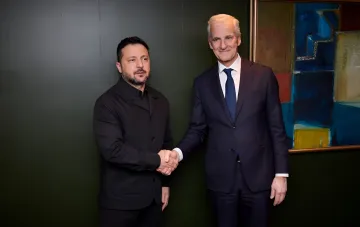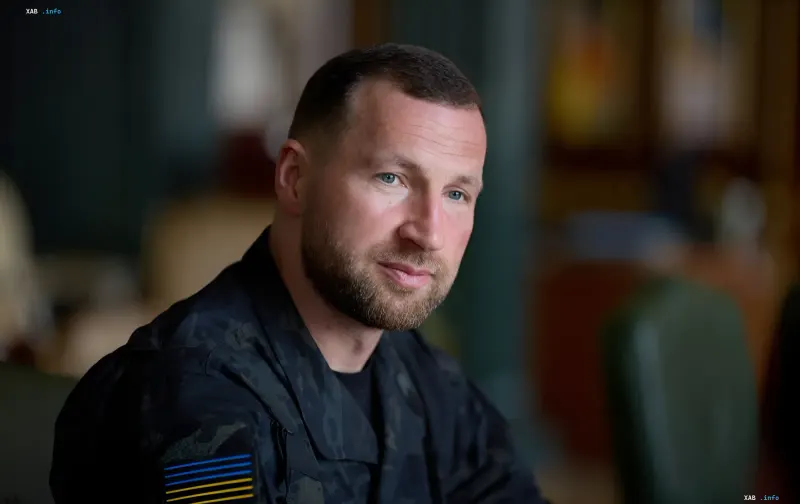
At the 36th meeting of the Ukraine Defense Contact Group in the 'Ramstein' format, held on 8 September 2026, Ukrainian Defense Minister Hennadii Hmara outlined the key parameters of the program to supply Kyiv with Patriot air defense systems. According to him, Ukraine has already signed contracts for the delivery of approximately 1,000 missiles for Patriot systems — financing is being provided both through funds from Western partners and under the European Union's 90-billion-euro credit program. 'We are contracting around 1,000 missiles for Patriot systems with the help of our partners and through the EU loan. Again, we are grateful to you for this,' Hmara stated, addressing the delegations of allied countries.
The timing problem: contracts exist, but the missiles will arrive later
However, according to the Defense Minister, most of the contracted interceptors will only begin to enter service in the more distant future. It is precisely this time gap between signing the contracts and the actual delivery that creates an acute shortage of air defense assets at the present moment. In this regard, Hmara made a direct appeal to the allies: 'That is why we are asking you to supply us with missiles from your stockpiles today in exchange for future upgraded missiles under our contracts.' In this way, Kyiv is proposing a model of mutual exchange: partners transfer the interceptors currently in their warehouses now, and in the future receive more modern modifications produced under Ukrainian contracts.
Not just Patriot: the need for 'air-to-air' missiles and MANPADS
A separate part of Hmara's statement was devoted to other categories of air defense systems. The Minister emphasized the critical importance of supplying air-to-air missiles and man-portable air defense systems (MANPADS) to counter jet-powered drones of the 'Shahed' type, as well as cruise and ballistic missiles. In his assessment, it is precisely these categories of weapons that ensure the 'resilience' of Ukraine's air defense system under conditions of massive aerial attacks. Hmara also reported that, together with dozens of Ukrainian companies, work is underway to develop low-cost solutions for intercepting jet-powered 'Shaheds,' with some of these interceptors already undergoing combat testing.
Contradictory data
In publications covering the outcomes of the 36th 'Ramstein' meeting, a discrepancy in the figures is noted. The main body of sources (RBC-Ukraine, Glavred, Vesti.az) reports Hmara's words about contracts for 'around 1,000' or 'nearly 1,000' missiles for Patriot. Meanwhile, the publication 'Fakty' states in its headline and text that Ukraine is requesting the delivery of 300 Patriot missiles and the allocation of 2 billion dollars for unmanned aerial vehicles. Possible explanations: either the discussion concerns different stages of the negotiations (a total contract for 1,000 units and a specific request for 300 units from allies' stockpiles at the present moment), or one of the sources made an error in reporting the figures. As of the time of publication of this article, no official clarification had been received from the press service of the Ukrainian Ministry of Defense.
Germany's position and preparations for winter
In parallel with the Ukrainian statement, German Defense Minister Boris Pistorius appealed to partners to help Kyiv prepare for the winter period, when the intensity of Russia's aerial attacks is expected to increase. According to reports, allies at 'Ramstein' on 8 September confirmed their intention to purchase additional US-made Patriot air defense systems for Ukraine and to release missiles from their own national stockpiles. The EU, in turn, has agreed to finance the purchase of Patriot missiles under the aforementioned 90-billion-euro credit program, making the European mechanism a key source of long-term support for Ukraine's air defense.