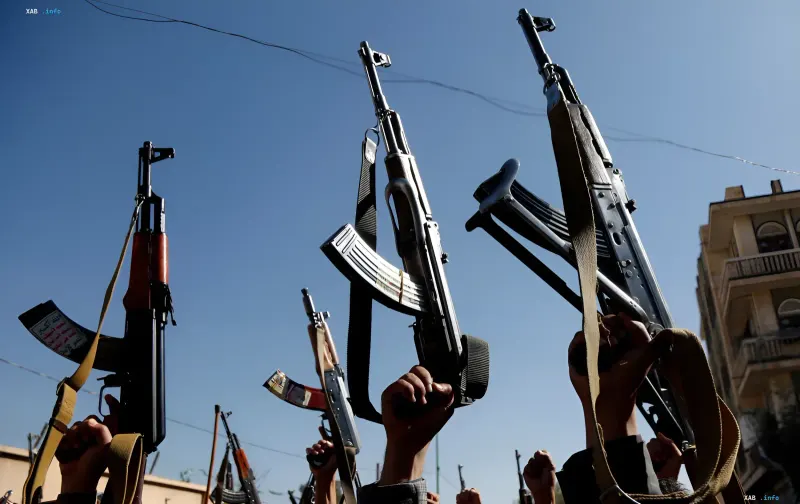
On September 11, Yemen's Houthis reportedly reached the strategic island of Perim, located in the Bab el-Mandeb Strait — one of the key chokepoints in global oil trade. The Reuters news agency was told this by four sources in the Yemeni government. According to two sources from the Saudi-backed, internationally recognized government of Yemen, its troops were withdrawn from the island. Meanwhile, as the outlet reports, the Houthis captured the town of Dubab on the mainland Red Sea coast opposite Perim. If the rebels manage to gain full control over the strait, this could, according to Reuters' assessment, give their patron — Iran — a decisive advantage in the war with the United States.
Iranian footprint: direct instructions from Tehran
Reuters reported on Thursday that the Houthis' advance along the Red Sea coast was carried out on the direct instructions of Iran's Islamic Revolutionary Guard Corps (IRGC). According to the Yemeni government, Iranian and regional sources, Tehran is seeking to open a new front in the war against the United States. Last week, as two Iranian sources reported, Iran ordered the Houthis to intensify attacks on Saudi Arabia — a close ally of Washington — and promised them additional funding, weapons, and senior officers. At the same time, although Iran publicly calls the Houthis an ally, it officially denies providing them with any military instructions. Earlier, according to RBC-Ukraine, on Thursday the Iran-backed Houthis took control of the Yemeni port of Mocha, which creates an additional threat to shipping in the Red Sea.
Saudi Arabia's reaction and the US position
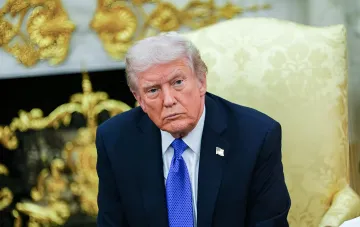
Yemeni government forces stated that they would attempt to retake the areas captured by the Houthis along the Red Sea coast this week, and announced the deployment of weapons and aviation to "eliminate any movements of the Houthi terrorist militias." Saudi Arabia reportedly struck Houthi positions in Yemen, but not the strategic areas that the group captured this week. According to Axios, citing two US officials, Saudi Crown Prince Mohammed bin Salman called US President Donald Trump twice on Thursday, urging strikes on the Houthis. Trump declined the request, and US officials stated that the administration does not intend to take direct military action against the Houthis.
Oil prices and shipping
The geopolitical escalation has already been reflected in energy markets: global oil prices were set to end the week above $100 per barrel for the first time since mid-May. On Friday, prices fell slightly after the Financial Times reported that the foreign ministers of Middle Eastern countries were preparing a temporary agreement on regulating shipping through the Strait of Hormuz. The context is critically important: Saudi Arabia has been relying on the route through the Red Sea since the Iranian conflict effectively closed the Strait of Hormuz, so the threat to Bab el-Mandeb hits the kingdom's alternative oil corridor.
Contradictory data
The sources presented contain a number of inconsistencies that are important to take into account. First, the nature of the events on Perim is described differently: Reuters presents it as the capture of the island by the Houthis, while two sources from the Yemeni government say that its troops were "withdrawn" from the island, which may mean a safe evacuation rather than an armed capture. Second, the question of Tehran's role is contradictory: sources claim that the IRGC issued direct orders, yet Iran publicly denies any military command over the Houthis. Third, the dynamics of oil prices are non-linear: the expected break above $100 per barrel was partially offset by the Friday decline amid reports of a possible temporary agreement on Hormuz. Until these versions are independently confirmed on the ground, all the details listed above should be treated with reservations.