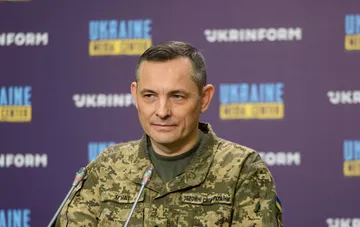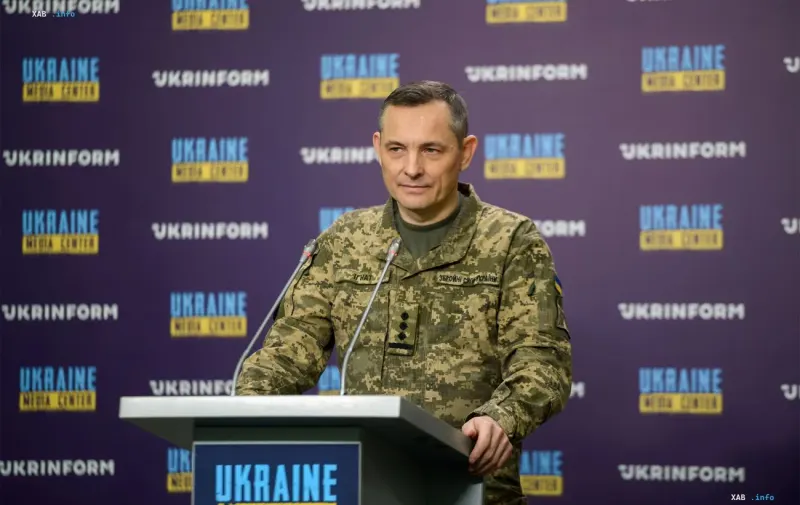
Russian jet-powered unmanned aerial vehicles are capable of covering significant distances and reaching the western regions of Ukraine, flying hundreds of kilometers. The flight range of such devices directly depends on their technical characteristics, fuel reserve, and onboard equipment. This was stated by Yuriy Ihnat, Head of Communications for the Air Force Command, during the RBC-Ukraine podcast "THIS IS BASE".
Technical Characteristics and Flight Range
In terms of their tactical and technical characteristics, jet-powered drones are already closely approaching cruise missiles. Since the latter are capable of reaching Lviv and other western regions, the appearance of jet drones there is not unexpected from an engineering perspective. Flight range is determined by the design of a specific device, the volume of fuel, and the mass of the warhead. If the warhead is reduced or completely removed, the drone can carry more fuel and cover a significantly greater distance.
At the same time, the payload of the drones includes not only explosives but also reconnaissance equipment, electronic warfare countermeasures, and optical systems. The configuration of the device is always tailored to a specific combat mission. By experimenting with reducing the combat load for the sake of increasing the fuel reserve, the Russian side is testing the new capabilities of jet drones in terms of range, which has not been observed on such a scale before.
Attacks on Western Regions of Ukraine
The appearance of jet-powered Shaheds in the western regions was recorded in mid-October 2026. Specifically, on October 18, a Russian drone attack damaged a logistics complex in Malekhiv near Lviv, where debris pierced the roof of an industrial building and sparked a fire in the warehouse area. Three days earlier, on October 16, a massive attack hit Dubliany and Murovane, where falling debris injured a man and shattered windows in residential buildings. Another incident occurred on October 13, when debris from a downed UAV fell in Malekhiv, damaging private houses.
Air Defense Response and Countering the Threat
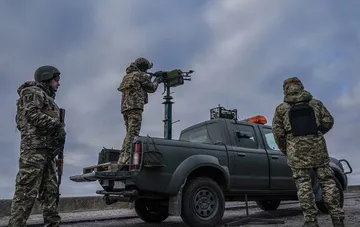
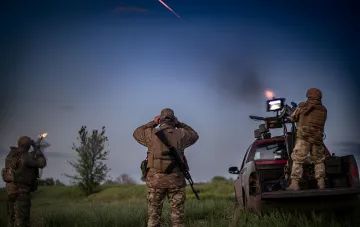
Ukrainian air defense units continue to successfully intercept new-type aerial targets using various types of weapons, including anti-aircraft installations and modern missile systems. The military notes that shooting down each jet drone saves human lives, residential buildings, and critical infrastructure. Nevertheless, the high speed of jet drones and the constant modernization of their routes create additional challenges for the air defense system, requiring prompt adaptation of interception tools.