In summer, you often end up with so many zucchini that it's simply impossible to eat them all within the season, which is why many home cooks stash the vegetables in the freezer. However, in winter, what you pull out of the bag isn't the lovely pieces you packed away in summer, but a watery, shapeless mass. According to Styler (an RBC-Ukraine project), the cause lies in one skipped step — blanching — without which even the freshest vegetables lose their color, flavor, and texture during storage.
Choosing and Preparing the Vegetables
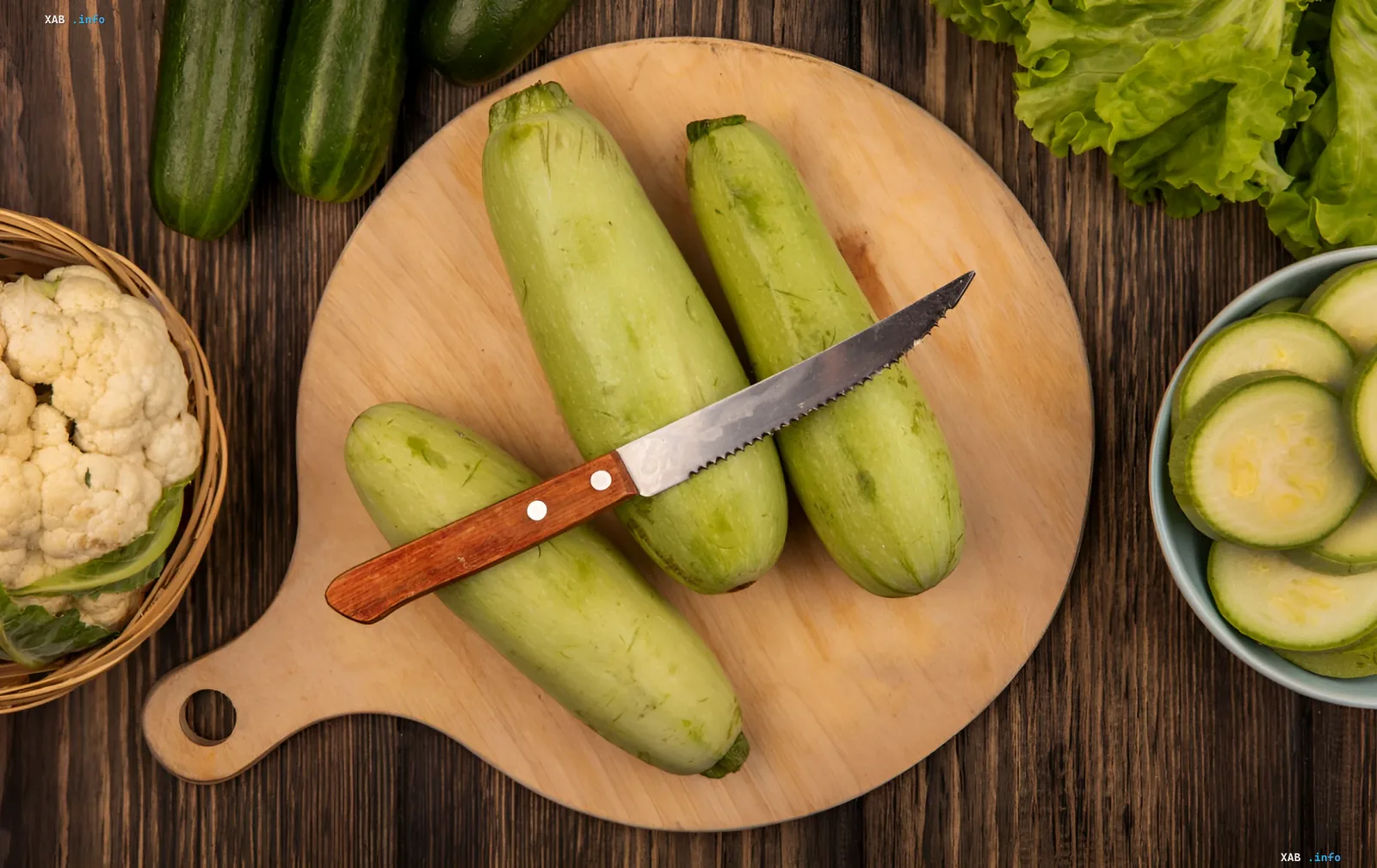
The best zucchini for freezing are young, firm ones with tender skin. Overripe vegetables with large seeds are noticeably less suitable for this purpose. Before storing, wash the zucchini and cut them into roughly uniform pieces — this ensures even freezing and makes the product easier to use in winter.
The Key Secret — Blanching
According to the official recommendations of the National Center for Home Food Preservation, the cut zucchini should be lowered into boiling water for no more than three minutes. After that, they must be quickly cooled in cold or ice water, well drained, and dried. Blanching slows down the enzymes that continue to break down the vegetable's structure even after freezing. If you skip this step, the zucchini will deteriorate in color, flavor, and texture; moreover, insufficient blanching won't help either — timing matters here.
Rapid Cooling and Thorough Drying
After blanching, the vegetables must be cooled very quickly to stop the cooking process and prevent them from becoming too soft. It's recommended to cool them for roughly the same amount of time they were blanched. Then the pieces must be thoroughly dried: excess moisture is the main enemy of frozen vegetable quality, and it's precisely what turns them into a formless mass.
Proper Freezing and Packaging
To avoid ending up with one big block of ice in winter, spread the cooled and dried pieces in a single layer on a tray lined, for example, with parchment paper, and flash-freeze them. Once they are firm, transfer them to a bag or container. This method lets you take out exactly as much zucchini as you need for a particular dish in winter. If the vegetables are intended for pancakes, cakes, or other baked goods, it's better to grate them rather than cut them: for grated zucchini, the official recommendation is different — steam them in small batches for one to two minutes until translucent, then cool, portion out, and freeze, draining any excess liquid before use.
How to Use the Stock in Winter
There's no need to thaw zucchini before each use: frozen pieces can be added straight into soup, stew, or vegetable sauté. For pancakes and baked goods, it's better to thaw the product beforehand and squeeze out or drain the excess liquid. It's important not to freeze the vegetables in one thick layer — the faster the product freezes, the fewer ice crystals form and the less the cells are damaged. As Elizabeth L. Andress, Ph.D., a food specialist at the University of Georgia and director of the National Center for Home Food Preservation, notes, proper freezing helps preserve product quality, but the freezer itself cannot restore the freshness a vegetable has already lost. The bottom line is simple: don't rush to toss raw zucchini straight into a bag — three minutes of blanching, rapid cooling, and good drying will make your winter stock significantly better.