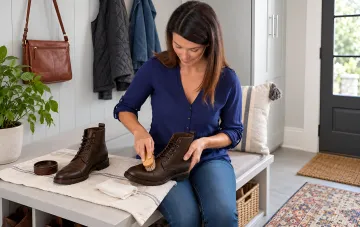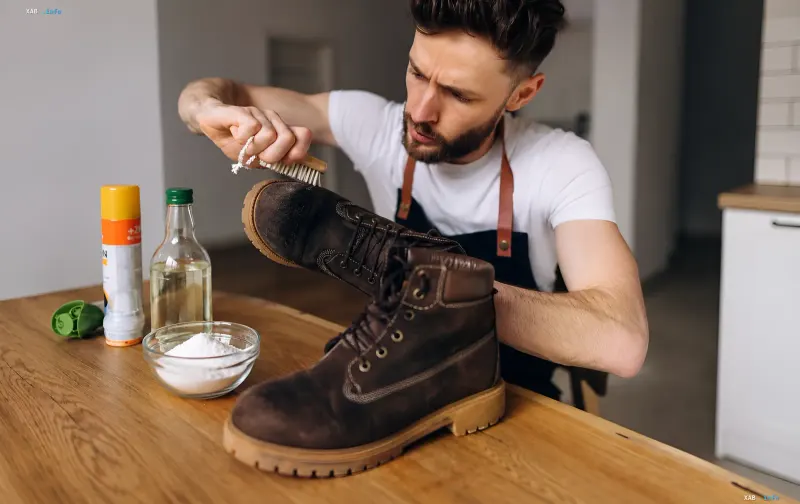
In autumn and winter, boots regularly get soaked by snow, rain, and slush, and prolonged exposure to a damp environment almost inevitably leads to an unpleasant odor. According to Styler (a RBC-Ukraine project), you don't need to buy expensive specialized products to solve the problem — ordinary baking soda and proper shoe care are enough. The key task here is not merely to mask the smell but to eliminate its cause: excess moisture, which serves as a breeding ground for microorganisms.
The cause of the odor — moisture and bacteria
One of the main causes of the unpleasant smell is bacterial growth: moisture, sweat residue, and poor air circulation inside the boots create favorable conditions for them. The problem becomes especially relevant in the cold season, when the shoes don't have time to dry completely between wears. The most moisture accumulates in the insoles and the inner lining, so masking the odor with perfume doesn't solve the problem — it only temporarily covers it up.
How to dry boots properly
According to recommendations from shoe manufacturer Clarks, heavily soaked leather footwear may take 24 to 48 hours to dry completely at room temperature. Ordinary paper towels or crumpled paper inserted inside the boots will help remove excess moisture. You should absolutely avoid placing shoes on a radiator or drying them with a hot hair dryer: high temperatures can damage the glue, cause deformation, and crack genuine leather.
Baking soda and vinegar: home odor neutralizers
Baking soda has the property of absorbing unpleasant odors, so it's best to use it after the boots have fully dried. This approach helps avoid direct contact between the soda and the inner surface and the need to clean the lining of any powder residue. For textile footwear, you can use a solution of white vinegar and water in a 1:1 ratio: lightly treat the inner surface and leave it to dry completely. It's important not to soak the lining with the solution, so as not to extend the drying time, and to test the product on an inconspicuous area before use. For boots with a lining made of genuine leather, suede, or fur, it's better to choose specialized products recommended by the manufacturer.
Caring for insoles and prevention
Even after thorough drying, the odor may persist due to dirty insoles. Puma specialists note that removable insoles can be cleaned by hand with mild soap and cool water, if their material allows, after which they should be dried completely in a well-ventilated room and only then put back into the shoes. If the insoles are heavily worn and retain the odor even after cleaning, they should be replaced. Specialists at the UK's National Health Service (NHS) recommend keeping your feet clean and dry and giving your shoes enough time to dry between wears.
When to see a doctor
To prevent odors in winter boots, it's worth using water-repellent products in accordance with the shoe material. If the unpleasant smell doesn't go away even after thorough care, you should check the condition of the inner lining and insoles. If the problem is related to foot odor and persists despite following hygiene rules, it's recommended to see a doctor. The main thing is not only to eliminate the smell but also to get rid of excess moisture, which contributes to its recurrence.