In 2025, Ukrainian retail chains faced a sustained rise in logistics and operating costs, and in 2026 this burden grew even heavier — largely due to massive missile strikes on distribution and logistics centers. Under such conditions, it is precisely the combination of gross margin, inventory turnover speed, and the level of operating expenses that determines how much of the additional load a chain can absorb on its own, without passing it on to the end consumer. According to an analysis by RBC-Ukraine, as organized retail adapts to wartime realities, it has effectively split into four key financial models.
War Strikes on Logistics as a New Pricing Factor
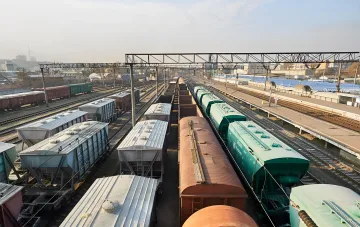
The destruction and damage to distribution hubs hits the "food chains" directly: costs rise for rerouting flows, write-offs, renting alternative sites, and energy. These expenses do not disappear — they are either absorbed by the chain's margin or built into the markup. That is why prices can rise even when there is no shortage on the shelf: the driver is not a lack of goods, but the rising cost of their delivery and storage. A business's ability not to shift all costs onto the consumer depends on a balance of factors — turnover speed, the share of private labels, promotional activity, the level of write-offs, and the overall scale of the company.
Four Retail Financial Models
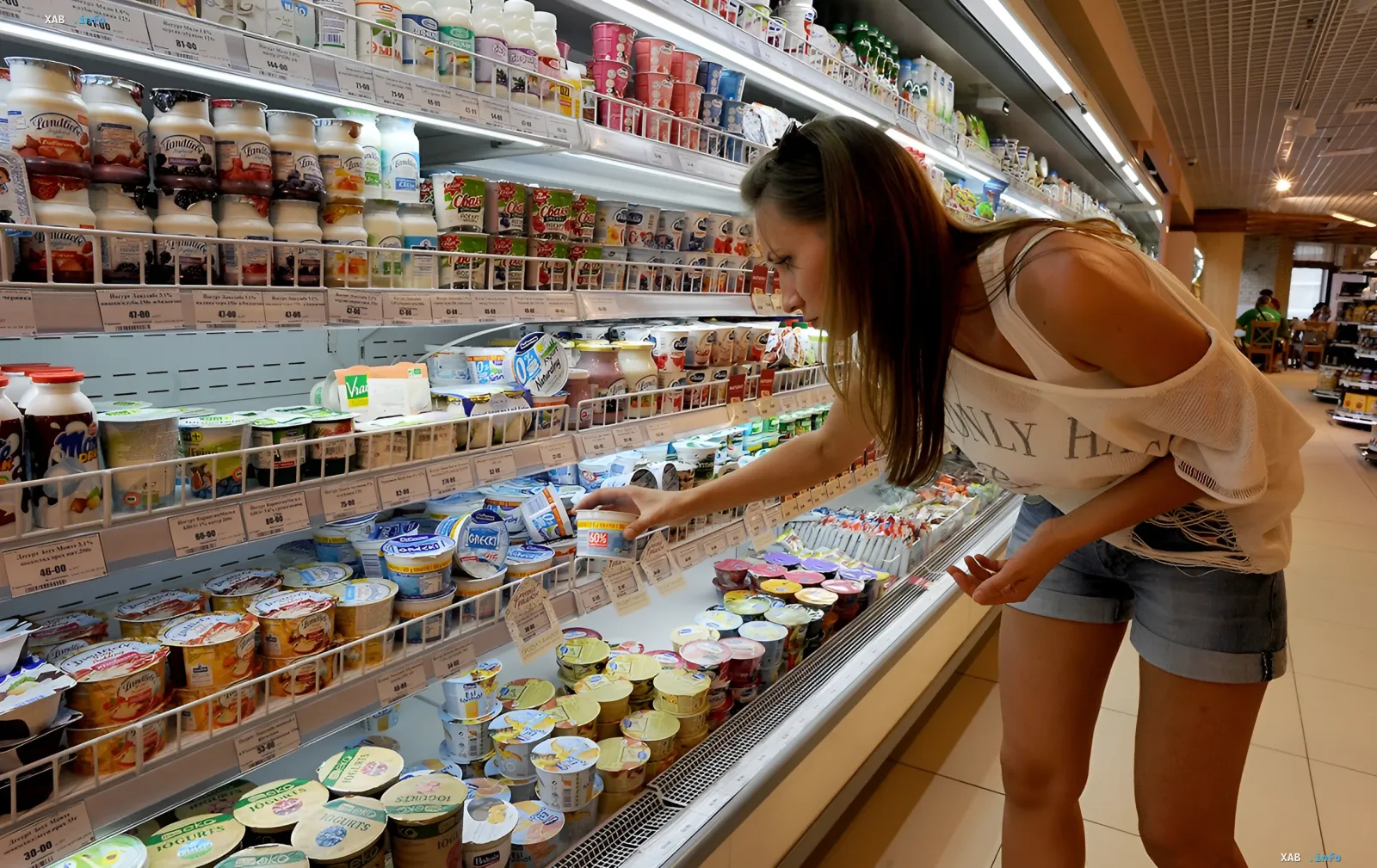
The high-margin segment, with a gross margin of 32–35%, includes Silpo (focused on imports and premium service) and Simi (food-to-go and coffee). With a high markup of 47–53%, such chains have a potential buffer to absorb shocks, but it is almost entirely offset by operating costs reaching 30–33% of revenue. This does not guarantee lower prices for the consumer. The mass balanced segment (26–28%) is the mass-market category, which includes ATB, Fozzy, and Novus: these chains maintain a markup of 36–39% with strict discipline on operating expenses at 23–26%, and it is precisely they who most skillfully balance price, promotion, and margin.
Low-margin discounters at 12–18% — the operators Velmart and Tochka — work with a markup of 14–22% and sustain profitability through fast product turnover and tight control of operating load at 12–17%. A separate moderate-margin model is represented by Varus: a gross margin of around 20% of revenue and a moderate valuation of about 25% against the backdrop of fierce market competition, operating in the format of a classic supermarket.
Why a Markup Does Not Always Mean Higher Prices
As Alexander Yampolsky of Deloitte Ukraine notes, within holdings revenues can be redistributed through transfer prices, but the final shelf price is limited by the population's purchasing power and competitors' offerings. That is precisely why chains are forced to seek a balance and cannot automatically pass rising operating expenses — logistics, write-offs, rent, energy — on to the consumer. Competition and effective demand act as a natural "ceiling" for the markup.
Contradictory Data
When cross-checking the context of missile strikes on logistics, a discrepancy is noted in the attribution of the affected facilities. Some reports state that two Silpo distribution centers were hit, with six employees killed; other materials describe strikes on two centers of the Fozzy group (Fozzy) and the Novus logistics center, also with six killed. In other words, the number of casualties matches, but the set and ownership of the affected warehouses are presented differently across sources. Until official data is clarified, the exact list of damaged facilities should be considered not fully reconciled.
Bottom line: in 2026, the shelf price in Ukraine is no longer just a function of the cost of goods, but the result of a complex financial maneuver by each chain within its model. The higher the margin and turnover with controlled operating expenses, the more war-related costs a retailer can keep "inside" without passing them on to the consumer.