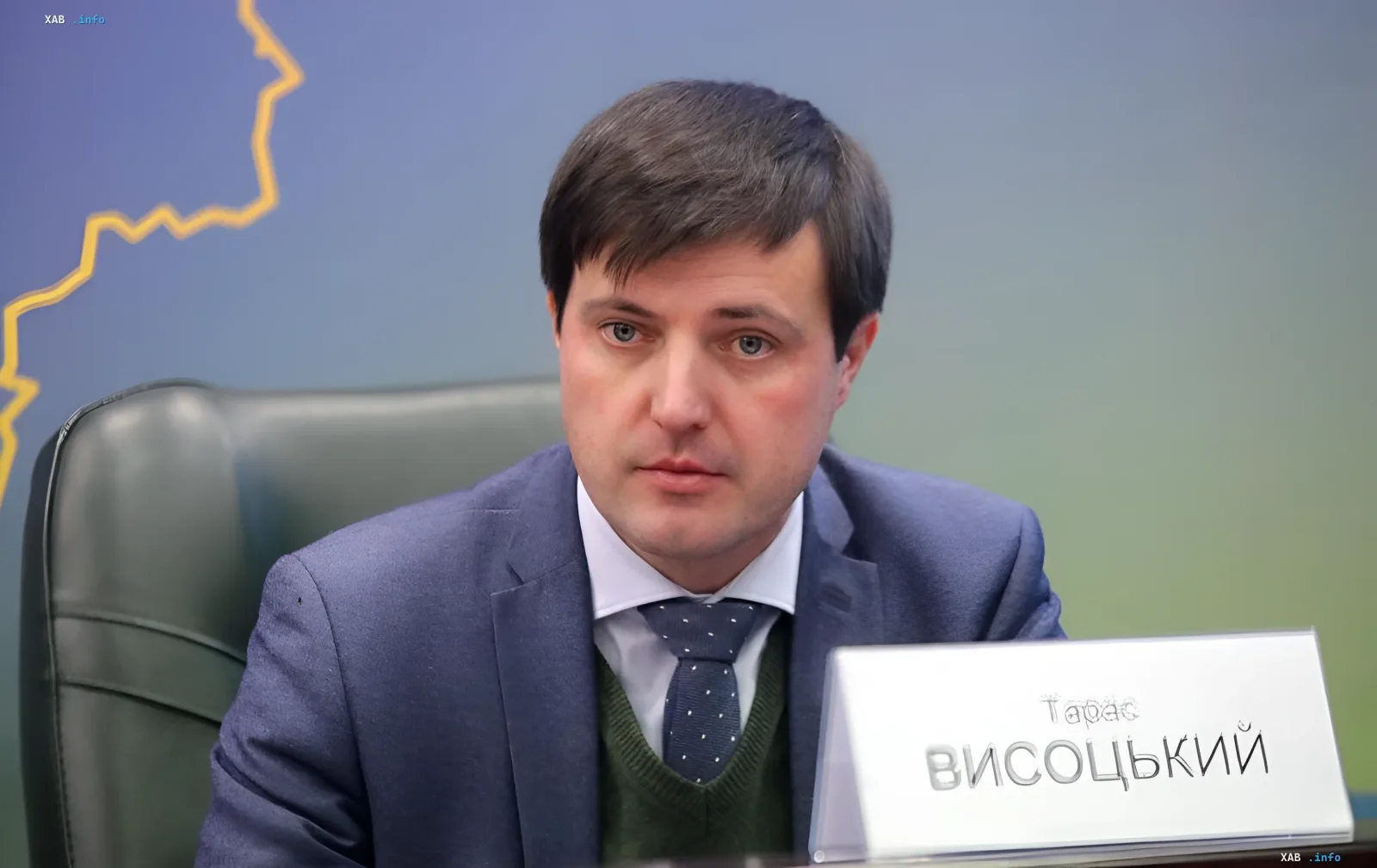
In a broadcast on the telethon, Taras Vysotsky, Deputy Minister of Economy of Ukraine, stated that no shortage of socially significant food products is being recorded in the country. According to him, production volumes in the main food categories exceed domestic consumption, and Russian strikes on storage facilities are creating only temporary difficulties in delivering goods to stores, rather than affecting their availability in principle.
Production Exceeds Consumption
Vysotsky listed the categories in which production exceeds demand: vegetables for borscht, grains, flour, bread, cereals, pasta, sugar, and vegetable oil. He also noted that feed production is sufficient to support the output of dairy and meat products. The official cited specific figures: this year, Ukraine will harvest more than 80 million tons of grains and oilseeds, while domestic consumption is around 20 million tons, or roughly a quarter of the total volume.
Strikes on Logistics, Not on Production
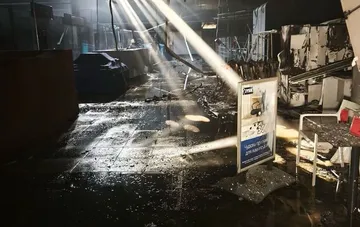
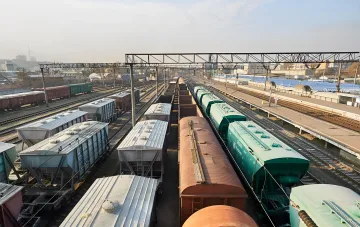
In the deputy minister's assessment, the key problem is not volumes but distribution infrastructure. He noted that Russia is deliberately attacking storage facilities, in particular large distribution centers through which goods arrive in batches, are sorted, and are sent to specific stores. Damage to such facilities causes temporary delivery disruptions: there is physically enough goods, but the distribution system is gradually being restructured.
No Need to Panic
Vysotsky emphasized that there is no reason for mass stockpiling of food. He explained that hundreds of producers in each category operate across different regions of Ukraine, and it is impossible to completely block the roads and access routes to major cities. At the same time, delivering a wide range of products to every store is currently more difficult, so supplies may be made with a smaller assortment but in larger volumes and at a certain frequency. The necessary goods, he said, will be available at several points of sale and will be able to meet the basic needs of the population.
Retail Restructuring and Rising Costs
After the destruction of large distribution centers, Ukrainian retailers have begun restructuring their storage and delivery systems, shifting to a network of small warehouses. This particularly affects chilled products: transportation costs for them have, according to available data, risen by roughly 35–50%, which, depending on the category, region, and specific retailer, may increase the final price of goods by 7–12%.
Contradictory Data
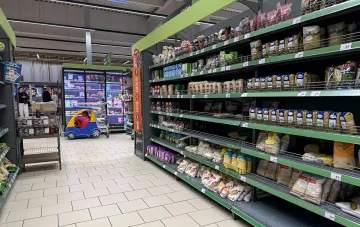
The official position that there is no shortage is at odds with some reports on the situation on store shelves. In particular, a number of publications record empty shelves in major retail chains (notably at “Metro”) and describe how assortment disruptions are spreading across Ukrainian cities following strikes on warehouses. Thus, the assessment declared at the ministerial level — “no shortage of socially significant products” — and the temporary empty shelves observed in retail may reflect different levels of the problem: the availability of goods in the country as a whole versus their physical availability in a specific store on a specific day. Both versions are presented in open sources, and the final assessment depends on the region and the product category.