Hungary has found itself at the center of a new diplomatic standoff between Budapest and Washington. Against the backdrop of the U.S. House of Representatives' final adoption on September 17, 2026, of the sanctions law against Russia—known in public discourse as the "hellish sanctions" package—Budapest publicly appealed to its American partners for a temporary exemption from the new tariffs. This was announced by Marton Gyurcsány, who heads the Hungarian parliament's foreign affairs committee, in his Facebook account. In his words, the country has not yet renounced imports of Russian oil and gas, which makes it vulnerable to the new mechanism of tariff pressure enshrined in the bill.
The Washington Meeting and the Republican Majority
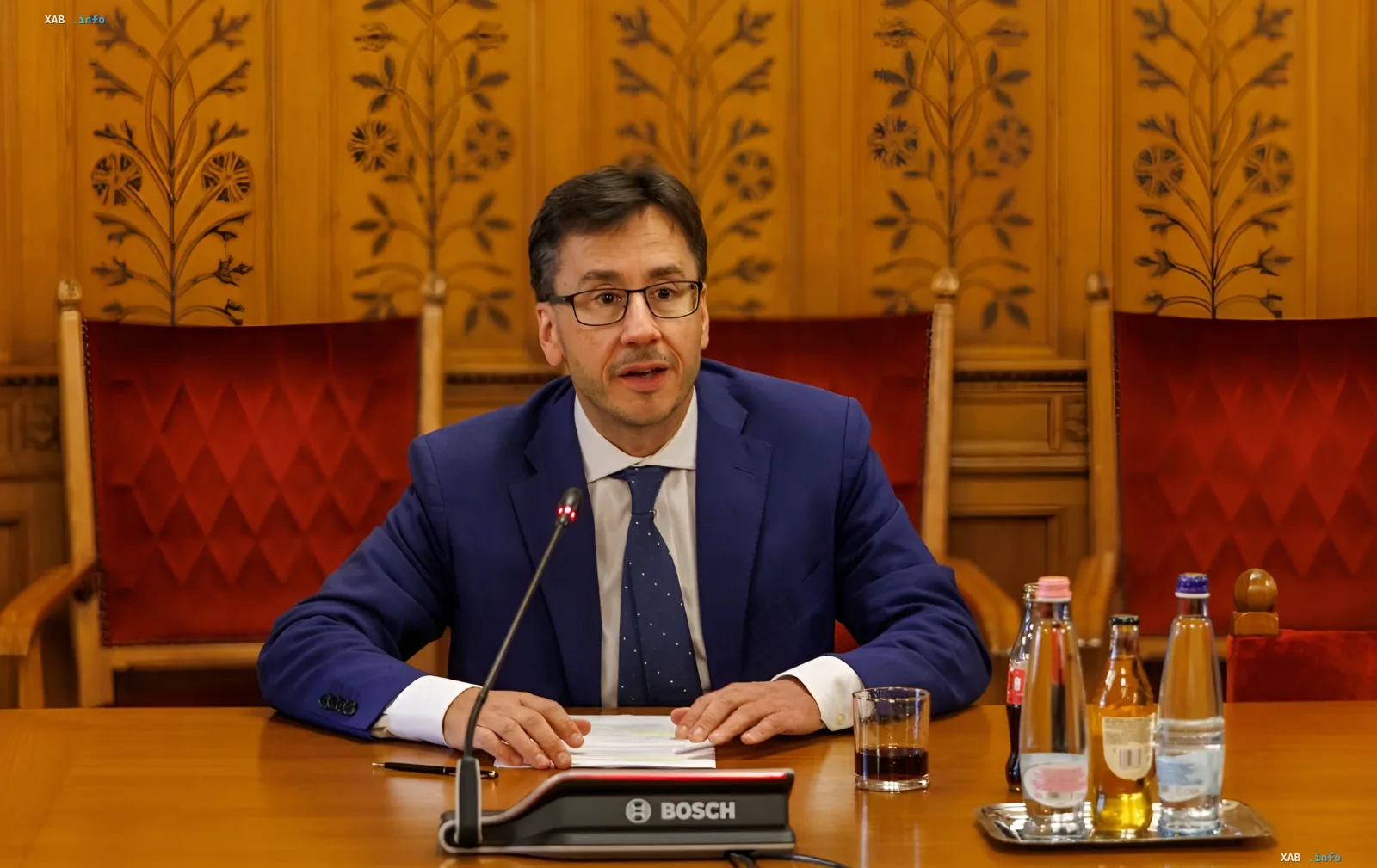
Gyurcsány reported that during his visit to Washington he held a series of talks with members of the Republican majority in the U.S. House of Representatives, focused on the future of Hungarian-American parliamentary relations. In the context of these discussions, the MP directly pointed to the new bill, authored by Senator Lindsey Graham, which introduces tariffs for the largest buyers of Russian energy. In Gyurcsány's assessment, this mechanism poses a direct threat to the Hungarian economy, which still relies heavily on Russian hydrocarbon resources. The MP emphasized that it was during these meetings that he "flagged" to his American colleagues that the Tisza party is aware of the dangers and shortcomings of energy dependence on Russia and that "a plan to eliminate it will soon be ready."
The Demand for an Exemption and Diversification
Acknowledging that a specific diversification plan is not yet ready, Gyurcsány formulated Budapest's key demand: Hungary must be exempted from the new law during a transition period. "I appealed to our American partners to intervene so that Hungary is exempted from this law, and so that the United States supports our country's drive to diversify its energy supply," the MP stated. Thus, Budapest is in effect asking Washington to provide a temporary "window" during which Hungary can restructure its energy balance without the risk of falling under tariff restrictions comparable in severity to secondary sanctions.
Context: From Passage in Congress to Trump's Signature
The situation is unfolding against the backdrop of the rapid advancement of the sanctions package through the American legislative process. As RBC-Ukraine reported, on September 17, 2026, the U.S. House of Representatives finally adopted the sanctions law against Russia. According to the outlet, the document was authored by Senator Lindsey Graham, who, per the same sources, was no longer alive by the time of publication. Earlier, a White House official confirmed that President Donald Trump plans to sign the bill, which will give it legal force. For Hungary, which remains one of the few EU countries still purchasing Russian oil and gas in industrial volumes, the law's entry into force without an exemption would mean automatically falling under additional tariffs on exports to the United States.
Contradictory Data
The provided sources contain a number of details that require careful fact-checking. First, RBC-Ukraine describes Senator Lindsey Graham as "deceased" at the time of publication, which is a highly unusual claim, given that Graham had remained an active member of Congress for many years. If this information is correct, it means the bill was adopted posthumously, which requires additional verification. Second, one source states that Trump "plans to sign" the law, while another emphasizes that the House of Representatives has "already finally adopted" the document. These formulations do not contradict each other from the standpoint of the legislative process (adoption by one chamber does not mean an immediate signature), but they create the impression for the reader that the law has already entered into force, whereas as of September 18, 2026, it is likely still awaiting the president's signature. Moreover, the exact timeframe in which Hungary promises to present a "plan to eliminate" its dependence on Russian energy is not specified in Gyurcsány's statements, leaving room for interpretation.
What This Means for Budapest and the EU
The Hungarian MP's appeal in Washington is not merely a rhetorical gesture, but an attempt to lock in Budapest's position before the sanctions mechanism is formally activated. For Hungary, which over the past years has consistently blocked unified EU sanctions packages against Russia and defended the right to import Russian hydrocarbons, falling under American tariffs would mean double pressure: on the one hand from Brussels, on the other from Washington. The promise to "soon" prepare a diversification plan sounds like a compromise formula: Budapest is not renouncing Russian oil right now, but is declaring its readiness for a transition. The success of this diplomatic mission will depend on whether the Republican bloc in Congress and the Trump administration are willing to grant Hungary a formal exemption or, conversely, to treat it as a full target of the new tariff regime.