Budapest Ties Energy Pivot to Brussels Timeline
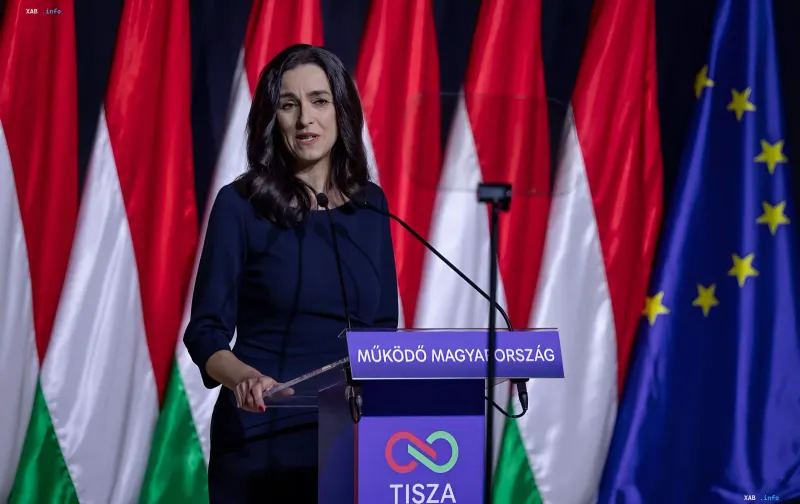
Hungarian Minister of Foreign Affairs and Trade Anita Orban, in an interview cited by RBK-Ukraine referencing Telex, explicitly confirmed that Budapest intends to completely halt imports of Russian natural gas by the autumn of 2027. "The EU has set a clear deadline for the gradual phase-out of Russian natural gas imports, which is the autumn of 2027," the minister stated. According to her, Hungary is acting in strict accordance with the schedule approved at the European Union level for the phased rejection of Russian hydrocarbons, aligning national policy with pan-European obligations. Previously, Minister of Economy and Energy Istvan Kapitany gave similar signals, noting in a separate Telex interview that the country is capable of securing its own gas needs from alternative sources if the current scenario persists.
MOL Restructures Refineries for Non-Russian Feedstock
Parallel to the gas issue, Orban disclosed details of oil diversification. Hungarian energy corporation MOL is preparing its refineries for the potential use of non-Russian feedstock delivered via the Croatian JANAF pipeline. The company is also seeking technological solutions to adapt its refining capacities to the characteristics of crude from other suppliers. According to BFM.ru, Budapest is holding talks with Romania and liquefied natural gas (LNG) suppliers to replace Russian volumes by the deadline established by Brussels. Experts cited by the same outlet warn that alternative gas may prove more expensive than Russian supplies and increase inflationary pressure on the Hungarian economy.
US Sanctions: Temporary Window and Negotiations with Gazprom
An important context for Hungary's oil strategy remains US sanctions policy. Washington previously granted Budapest a temporary exemption from restrictions related to purchasing Russian oil; this waiver is valid until November 21, 2026, and covers supplies from Lukoil and Rosneft. Furthermore, Orban announced that MOL could acquire Gazprom's stake in Serbian oil company NIS, which owns Serbia's sole oil refinery. The US Office of Foreign Assets Control (OFAC) issued a permit to extend negotiations with Gazprom until December 11. The minister emphasized that the Serbian, Russian, and Hungarian parties appear determined to finalize the agreement within the established deadlines.
Hungary as a Transit Hub: Ambitions Beyond the National Market
Separately, Orban outlined Hungary's strategic role in the regional energy architecture. In her assessment, the country has the potential to become a major transit and distribution hub for natural gas and crude oil. The minister indicated that these factors could facilitate energy supplies to third countries, meaning Budapest is considering not only its own energy security but also the role of an intermediary at the crossroads of European and Middle Eastern flows. This position naturally stems from Hungary's geographical location and existing pipeline infrastructure.
The Ukrainian Factor and Contradictions in Energy Rhetoric
Against the backdrop of statements regarding diversification and transit ambitions, the issue of relations with Kyiv in the energy sector remains unresolved. RBK-Ukraine previously reported that Hungary views the construction of Ukrainian oil storage facilities on its territory as a threat and has strongly opposed such projects. Thus, on the one hand, Budapest declares its readiness to become an open transit hub, while on the other hand, it restricts the presence of a specific counterpart. This duality reflects the general course of Hungarian energy policy, in which the commercial interests of MOL and NIS intertwine with geopolitical calculations and pressure from Brussels amid the EU's general policy of phasing out Russian hydrocarbons.