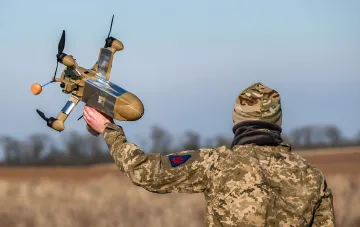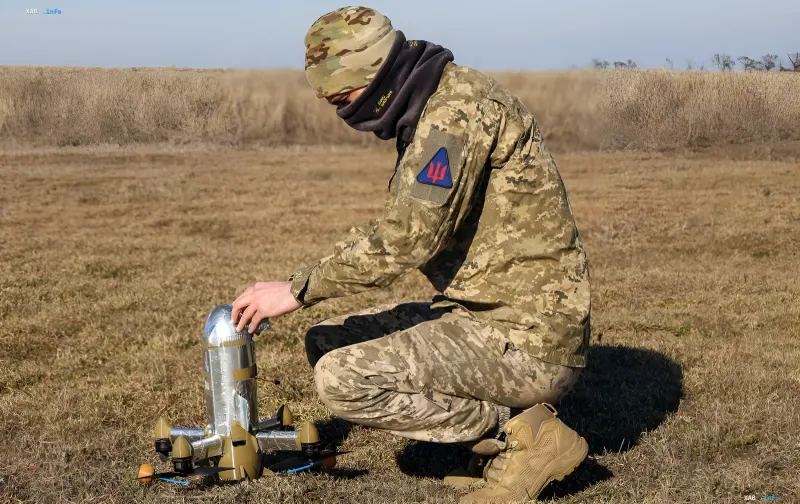
In the conditions of modern warfare, where unmanned systems have become the primary tool of destruction, the role of the interceptor operator has moved to the forefront. According to materials published by RBC-Ukraine in August 2026, the most critical stage in the work of such specialists is not the launch of the apparatus, but precisely the process of searching for and visually acquiring the target in the airspace. Instructors note that even with approximate coordinates, the operator has to search for a relatively small object against the backdrop of a vast sky, which requires exceptional attentiveness and experience.
Physics vs. Time: The Window of Opportunity
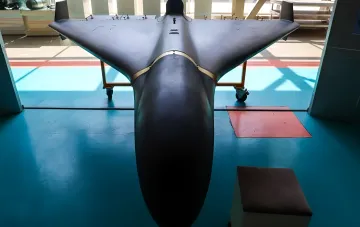
The main difficulty lies in the speed of decision-making. Russian kamikaze drones, such as the 'Shahed', develop speeds of over 300 km/h. This creates an extremely narrow time window for the interceptor operator to maneuver. It is necessary to instantly assess the target's vector of movement, its altitude, and speed to build an effective approach trajectory. An error in calculations or a delay in reaction of just a few seconds can lead to a miss and the loss of an expensive interceptor.
The Problem of Altitude and Energy Consumption
The enemy's tactics are constantly changing: drones can fly at extremely low altitudes, using the terrain, or at high altitudes, where direct visibility is harder to ensure. At low altitudes, radio interference and lack of line-of-sight become serious problems. At the same time, gaining altitude requires huge energy expenditure. Interceptor battery packs have limited capacity, and every extra meter of altitude gained reduces the time available for the interception itself. This dictates strict limitations imposed by the laws of physics on the capabilities of the technology.
The Role of Teamwork and Automation
Once the operator visually acquires the target and catches up to it, control often switches to an automatic terminal guidance system. However, the success of this stage depends directly on the coordination of the entire mobile fire group. Operators, navigators, and technical specialists must work in a mode of full synchronization. Operational interaction and data transfer between crew members are critical factors determining the outcome of the mission. Without clear coordination, even the most advanced technology will not be able to effectively counter mass attacks.