Official reaction from The Hague to Washington's pressure
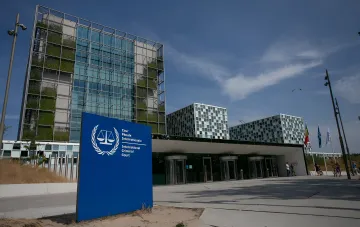
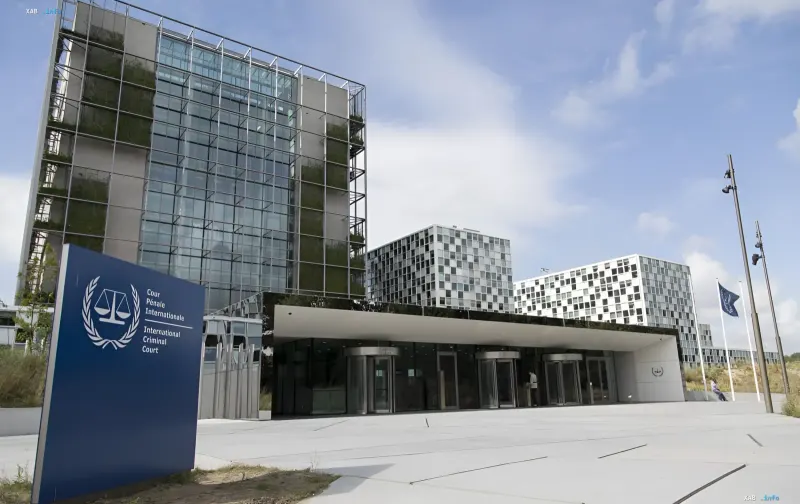
On August 19, 2026, the International Criminal Court (ICC) issued a stern statement in response to new sanctions imposed by the United States against its leadership. In the document, the Court emphasizes that measures against judges, prosecutors, and staff acting within their international mandate strike directly at the very concept of the rule of law. According to The Hague, threats against judicial workers for enforcing the law jeopardize the entire international legal order.
Representatives of the Court categorically rejected the idea that external pressure could force them to change course. The statement notes that the ICC has no intention of backing down from its powers and will continue to support both its staff and the victims of international crimes. The Court views Washington's actions as an attempt to undermine the independence of international justice.
Chronology of the conflict: from Karim Khan to Tomoko Akane
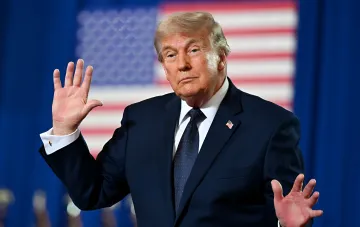
US pressure on the International Criminal Court is not an isolated incident but represents an escalation of a long-standing administration policy. On August 18, 2026, one day before the Court's official response, the US imposed sanctions on two key figures: ICC President Tomoko Akane and Senior Legal Counsel Abdoulaye Seïye. These measures were taken based on an executive order signed by President Donald Trump in 2025.
This move continued the aggressive rhetoric and actions against the Court. Previously, the US administration had waged a campaign to undermine the ICC's activities, which resulted in the removal of Chief Prosecutor Karim Khan. It was Khan who initiated the arrest warrant for Russian leader Vladimir Putin, which became one of the main causes of the conflict with Washington. Prior to this, personal sanctions were also imposed on Khan himself.
Contradictory data
There are various interpretations regarding the true objectives of the US actions. On one hand, the official response from the ICC and its supporters boils down to the fact that sanctions are aimed at suppressing justice and protecting specific individuals from accountability. On the other hand, sources close to the US administration (specifically statements by Senator Marco Rubio made earlier in 2026) position the ICC as an "unbearable threat to US sovereignty" and announce a campaign for its actual liquidation. Thus, Washington views these actions as protecting national interests, while The Hague sees them as a crime against international law.
Political context and prospects
The situation surrounding the ICC in 2026 has reached a critical point. The imposition of sanctions against the sitting President of the Court, Tomoko Akane, demonstrates the US readiness to move from diplomatic pressure to direct economic and administrative measures against staff of international organizations. Experts note that such rhetoric and actions, including calls for the "liquidation" of the Court, create a precedent that could destroy trust in international institutions as a whole.
Despite the threats, the ICC leadership demonstrates determination to continue its work. The Court assured the international community that it will maintain its independence and protect its staff. However, the effectiveness of these statements will depend on whether other member states can provide sufficient political and financial support to The Hague in the face of isolation by a superpower.