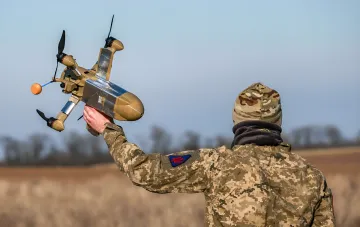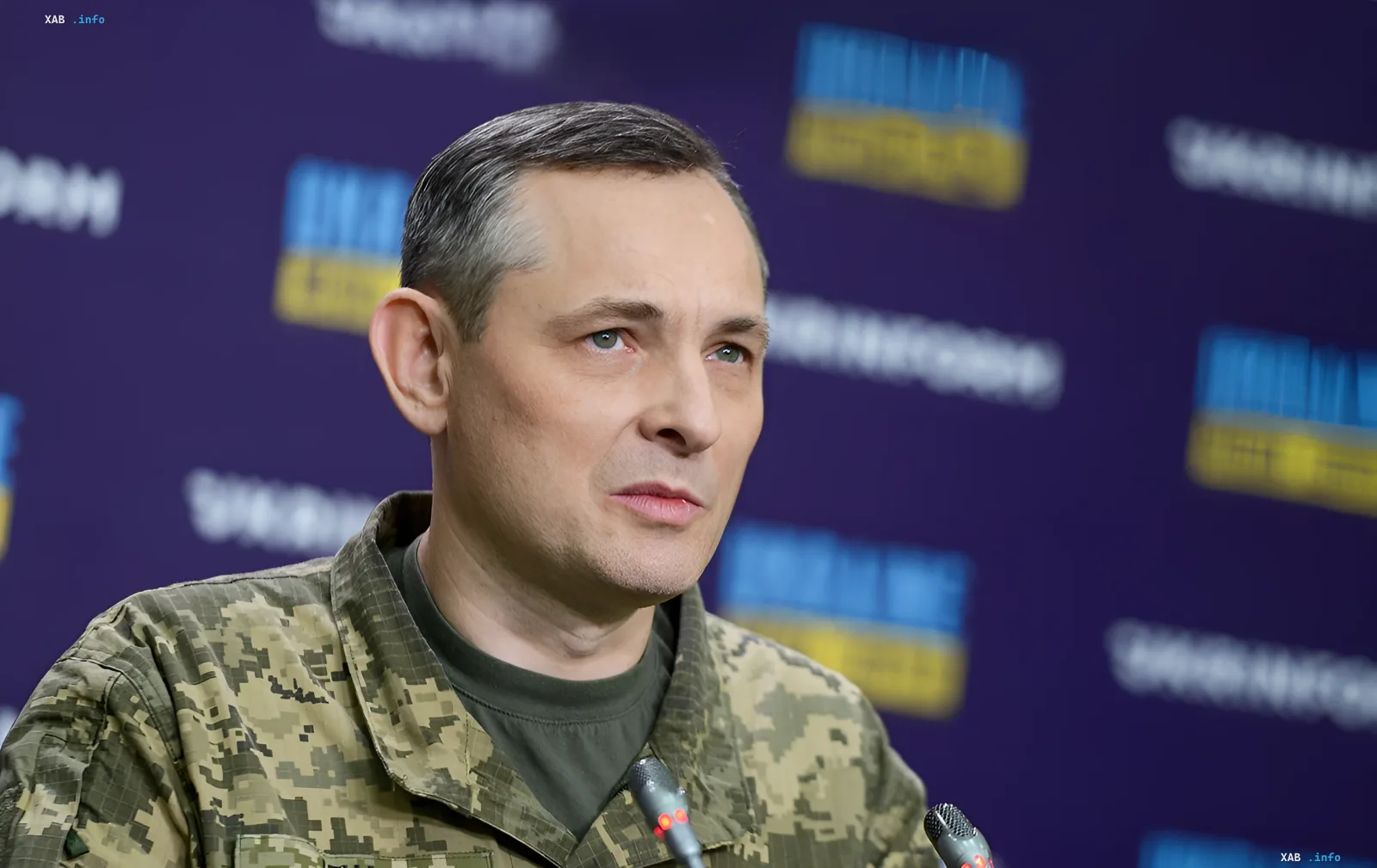
Yuriy Ignat, spokesperson for the Air Force of the Armed Forces of Ukraine, warned during a telethon that the enemy is preparing a new wave of strikes on the country's territory along several directions at once. According to him, at the time of the statement a drone strike on Odesa Oblast was already underway, and the threat persisted for other regions as well. "There is information that the enemy may attack today from both the north and the east," Ignat noted, adding that the attacks could continue throughout the day.
Tactical shift: from jet-powered to gasoline-powered Shaheds
Ignat explained that the enemy has accumulated a large stockpile of drones with internal combustion engines — non-jet strike UAVs, which have been used most actively recently, primarily against western Ukraine. According to him, in late August the enemy made massive use of precisely jet-powered drones, attempting to deliver them to Kyiv and Kyiv Oblast: a record 2,800 such devices were recorded in August, compared with 1,500 in July and 350 in June. Ignat suggested that, having exhausted significant stocks of jet-powered UAVs, the enemy has shifted to launching waves of conventional Shaheds, since jet-powered drones generally cannot cover such long distances to the western regions.
Interception rates and vulnerable targets
In Ignat's assessment, air defenders are achieving results close to 90–100 percent interception of non-jet drones, however the remaining percentage still breaks through to logistics routes, railways and other facilities. To neutralize the threat, aviation, air defense systems, ground forces and the entire integrated air defense system are being deployed. At the same time, he emphasized that Ukraine's territory is too vast to fully block all attack directions, and the interception rate for jet-powered UAVs is lower, since such targets are harder to intercept.
Contradictory data
The 90–100 percent interception rate stated by Ignat refers to the specific category of non-jet Shaheds and is the spokesperson's self-report, not confirmed by an independent count in the provided materials. For comparison, as of September 10, the use of 149 drones was recorded, of which air defense neutralized 128 — about 86 percent, which is below the upper bound of the stated range. The discrepancy is explained by the composition of the strike group: mixed waves include jet-powered UAVs and decoy drones, which lower the overall interception percentage. Thus, the divergence in figures is due to differences in the range of drone types and the observation date, rather than a direct contradiction in facts.
Recommendations for the population
Ignat urged people to remain in shelters even in the face of non-jet drone threats, since they may arrive in several waves, and there may be many air raid alerts during the day. Recall that on September 13, an air strike on Odesa injured at least 20 people, including two children, and on the night of September 14 Russian forces delivered another massive drone strike, employing Shaheds (including jet-powered ones), Gerbers and Parody decoy drones.