The International Monetary Fund (IMF) has set a strict condition for Ukraine under the Extended Fund Facility (EFF) program, which is active until February 2030. According to the updated Memorandum of Economic and Financial Policies, Kyiv has committed to not imposing new unplanned expenditures on the Pension Fund of Ukraine (PFU).
As reported by RBC-Ukraine, which reviewed the document, this restriction is established as a continuous structural benchmark. Ukrainian authorities have confirmed their commitment to this requirement, stating their intention to ensure the long-term sustainability of the pension system.
Ban on unplanned spending
The essence of the new condition is that any additional expenditure obligations for the PFU now require mandatory consultations with IMF experts. The goal of this measure is to guarantee that financing decisions align with the plans for a large-scale pension system reform.
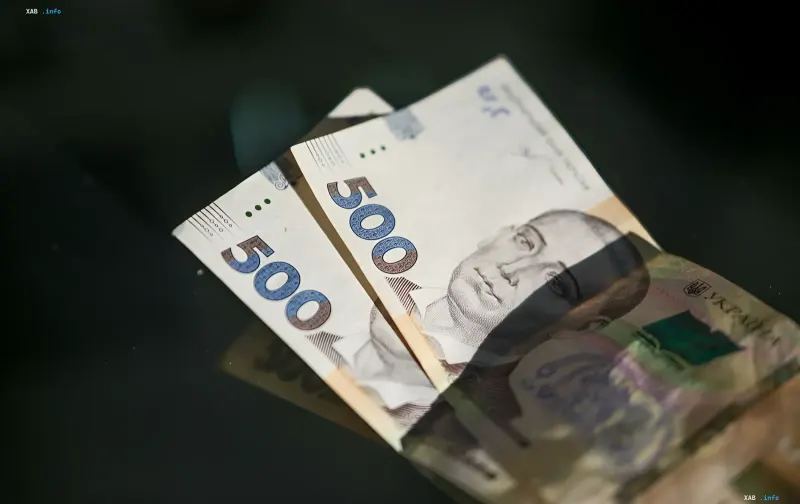
Effectively, this blocks the possibility of conducting new one-off payments to pensioners that are not provided for by law. Initiatives similar to the "Zelensky's Thousand" program, where additional payments of 1,000 hryvnias were made through the Pension Fund, are now at risk.
Sources familiar with the details of the negotiations clarify that the IMF does not object to planned pension indexations or payments on significant dates. However, the Fund categorically opposes off-budget expenditures that lack a legislative basis.
Consequences for the social sector
In recent years, the PFU has repeatedly been used as a tool for financing emergency social payments. Between 2023 and 2025, funds for the additional support program for pensioners were channeled precisely through this fund. Now, any similar decision must pass through the approval filter of international creditors.
Experts note that this sets a precedent: the state will no longer be able to use the pension budget for political or one-off social actions without IMF approval.
Other conditions of the memorandum
In addition to restrictions on social spending, the updated document contains other important economic conditions:
- Utility tariffs: A gradual increase in gas and electricity tariffs for the population is envisaged. This process will begin in 2027, but only after the creation of a targeted social support system.
- Taxation of sole proprietors (FOPs): The introduction of VAT for individual entrepreneurs has been postponed by a year. The corresponding law must come into force in January 2028.
Thus, the cooperation program with the IMF sets a strict course for fiscal discipline, limiting the government's room for maneuver in social policy.