India is demonstrating a radical shift in its foreign policy, moving from passive observation to active mediation in the settlement of the military conflict between the Russian Federation and Ukraine. This step by official New Delhi is primarily driven by pragmatic economic interests and the need to protect its own citizens who found themselves at risk due to the escalation of hostilities in the Black Sea region.
New Vector of New Delhi's Diplomacy
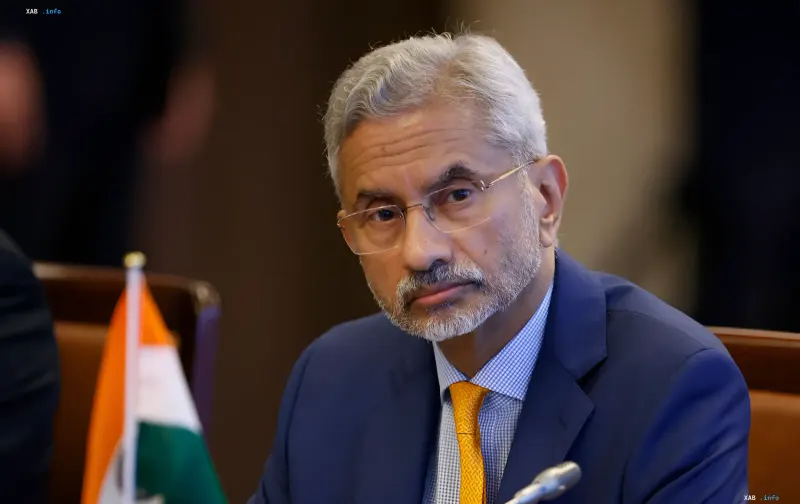
Indian Foreign Minister Subrahmanyam Jaishankar, speaking at a security conference, officially confirmed that his country has taken a more direct stance in the negotiation process. According to the head of the Indian Foreign Ministry, in recent months New Delhi's diplomacy has gone beyond simple advocacy and appeals for peace. The Indian authorities are maintaining a constant and constructive dialogue with both Moscow and Kyiv, trying to find compromise solutions on key humanitarian and logistical issues.
Catalyst for Change: Maritime Security
The main catalyst for the intensification of Indian diplomacy was the tragic events of July, when Indian citizens working on merchant ships were killed and injured as a result of attacks in the Black Sea. This incident forced the government in New Delhi to reconsider its cautious approach, dictated by long-standing strategic and military-technical ties with Russia. Freedom of navigation has become a baseline priority around which further diplomatic initiatives have begun to be built.
Expanding the Agenda and the Global South
Over time, the negotiation agenda expanded far beyond purely maritime security. During consultations, the parties began to discuss prospects for resuming unhindered exports of Ukrainian grain through Black Sea ports, as well as energy stability issues. Ukrainian Foreign Minister Andrii Sybiha confirmed India's growing role, noting that the Indian proposal to cease strikes on energy facilities and unblock the Black Sea turned out to be the most comprehensive among the initiatives of other Global South states.
Contradictory Data
Despite high diplomatic activity and recognition of New Delhi's merits by the Ukrainian leadership, certain discrepancies remain in the assessment of the prospects for the negotiation process. Subrahmanyam Jaishankar himself openly warns against inflated expectations, emphasizing that at present there are no guarantees of reaching a comprehensive or even limited agreement. While Kyiv sees serious potential in Indian initiatives to pressure the aggressor, skeptics point to the continued large-scale supplies of Russian oil to India, which casts doubt on its complete neutrality as a global mediator.