In an open exchange with users, Instagram Head Adam Mosseri has admitted for the first time in such candid terms that adapting the social network for the foldable iPhone Duo has proved significantly more difficult than anticipated during the planning stage. Despite the global launch of the app's special version for this device already taking place, the stream of complaints regarding awkward interfaces and visual glitches has not only failed to subside but continues to grow. Mosseri emphasized that as they delved deeper into the smartphone's hardware design details, the design team encountered increasingly obvious and, essentially, systemic challenges that could not be fully resolved before the public release.
Vertical Paradigm vs. Horizontal Reality
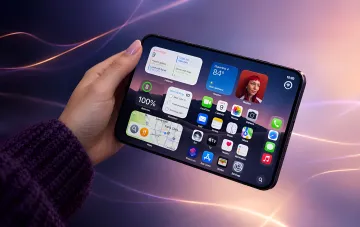
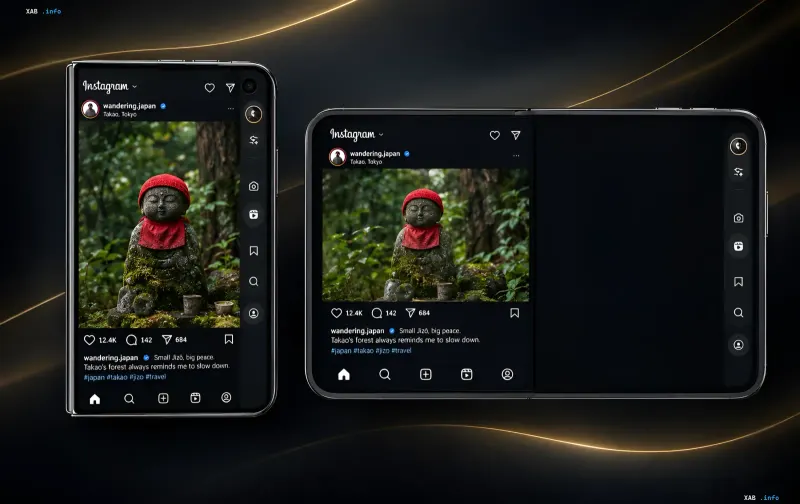
The root of the problem lies in the fundamental discrepancy between Instagram's core design philosophy and the physical proportions of the new device. For many years, the platform was engineered for tall, narrow, vertical screens typical of the overwhelming majority of modern smartphones. Feeds, stories, post cards, and—most importantly—the Reels viewing mode are optimized specifically for this format. The iPhone Duo in its folded state is fundamentally different: its screen is noticeably wider and shorter compared to a classic monolithic phone. This means the familiar vertical content layout "breaks," and interface elements designed for a narrow column begin to look blurred and awkward across a wider field.
Navigation Conflict: The "Double Stacking" Button Effect
The most acute pain point for users is the ergonomics of the navigation elements. In the closed, i.e., folded state of the iPhone Duo, the navigation buttons are logically positioned along the right edge of the screen—a standard solution for comfortable one-handed control. However, it is precisely in this same right-hand zone in the Reels video viewing mode that standard action buttons are placed: "Like," "Comment," and "Share." As a result, the so-called "double stacking" effect occurs in the exact same screen area: system navigation elements and functional post buttons visually overlap, creating an awkward, overloaded composition. In their feedback, users explicitly point out that this looks unnatural and hinders targeted interaction with content.
Portrait Mode as a Compromise Solution
Responding to specific community feedback, Mosseri agreed that the best Reels viewing experience on the iPhone Duo at this stage is achieved precisely in portrait mode, where the unfolded screen is filled with content as much as possible and the conflict of navigation zones is partially neutralized. At the point of this, he emphasized that the Meta team is actively working on improving interface rendering in other screen orientations, including landscape mode. In fact, this means the current version of the app is an interim solution rather than a final product, and users should expect a series of updates aimed at eliminating the described flaws.
Community Reaction: Criticism or Managing Expectations?
Mosseri's statement was met with mixed reactions in the community. Some users view it as an attempt to proactively lower expectations and "shield" the team from further criticism by shifting the conversation into the realm of the objective difficulty of the task. Others, conversely, see it merely as a delayed response to the wave of negative feedback the company faced following the October release of the special Instagram version for the iPhone Duo. In any case, a fact remains a fact: as of November 2026, the adaptation of the foldable iPhone Duo remains one of the most discussed and criticized UI decisions within the Meta ecosystem.
What's Next: Meta Promises Improvements
According to available data, the Meta team continues active work on the Instagram software for the iPhone Duo, primarily focusing on eliminating the inconveniences associated with the duplication of control elements in the right-hand area of the screen. Specific timelines for the updated version's release have not been publicly named, but the very fact of public acknowledgment of the problems by the platform's leadership usually signals that the corresponding fixes are in the final stages of testing. For millions of users who have transitioned to the foldable format, this could become a decisive factor in evaluating how successfully Meta is handling the transition from monolithic smartphones to a new class of devices.