The industrial conglomerate Interpipe has announced a systematic policy to increase the share of women in its workforce, including hiring women for production roles that they had previously rarely held. This is reported by RBC-Ukraine, citing the company's official Facebook page. Interpipe explains that the initiative is driven by a severe labor shortage affecting not only the company but Ukrainian industry as a whole, against the backdrop of demographic challenges and workforce outflow.
One in Three Employees Is a Woman: Current Structure
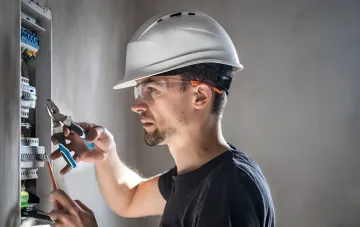
According to the company's own data, one in every three positions at Interpipe is already held by a woman. Female staff have traditionally been represented in quality control units, in operating crane installations, pumping stations and substations, as well as in logistics services handling product shipments. In addition, women successfully lead production teams, sections and shifts: on certain sections, two of the four shift line supervisors are women. This shows that gender diversity at the company has already moved beyond "traditional" female roles and now directly touches the production management chain.
CNC Operators and New Production Roles
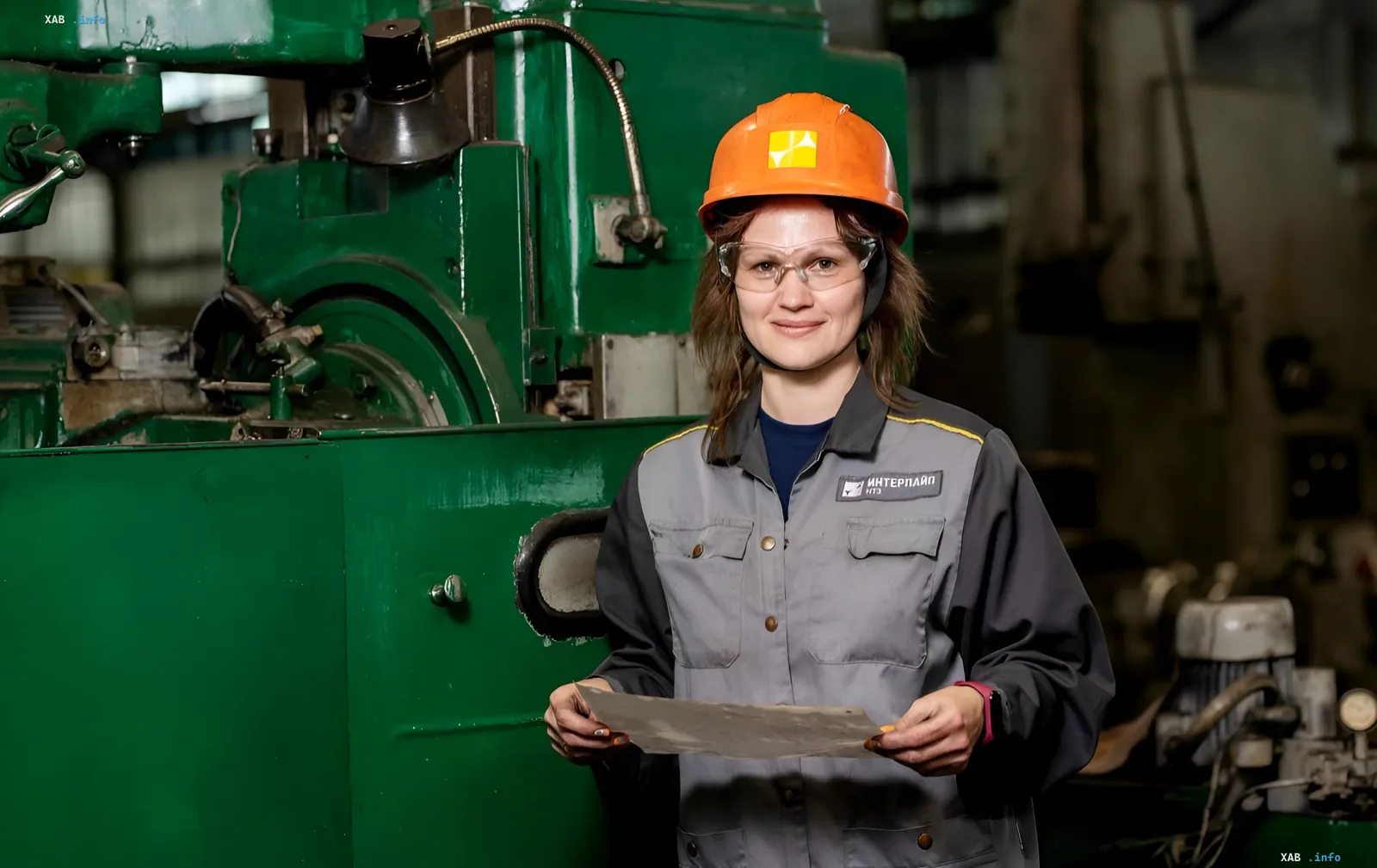
To overcome the staff shortage, Interpipe is deliberately increasing the share of women directly on the production lines. The workforce now includes women operators of computer numerical control (CNC) machines. The company emphasizes that physical strength is not a decisive factor in these roles: what matters are metalworking skills, an understanding of technological processes, and proficiency with industrial software. In effect, the company is revising entrenched notions of "male" and "female" production roles, relying on competencies rather than gender stereotypes.
The Example of Maria Trotsenko and the Technical Education Ecosystem
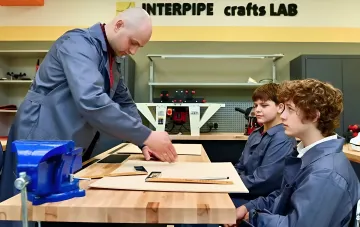
As a concrete example, Interpipe cites the story of Maria Trotsenko, who came to the company's machine-building complex as a student at a vocational-technical school (vocational college) to complete her production internship. She stayed on and eventually grew into a role where she independently trains newly hired employees. In parallel, the company, together with partners, is building a technical education ecosystem in Dnipro, which allows it to form a talent reserve — including a female one — already at the stage of specialist training.
Context: Production Dynamics and Commitment to the Ukrainian Market
The decision to expand women's presence on the production floor is made against the backdrop of a moderate decline in output volumes: according to Delo.ua, in April 2026 Interpipe NTZ reduced steel pipe production by 0.2%, and in June by 3.9%. At the same time, the company's CEO has previously publicly assured that Interpipe does not intend to relocate or scale down production in Ukraine in favor of a new plant in Romania (Unian report). Thus, a staffing policy aimed at attracting new groups of workers, including women on production sections, is becoming one of the tools for preserving and developing the conglomerate's Ukrainian production potential.