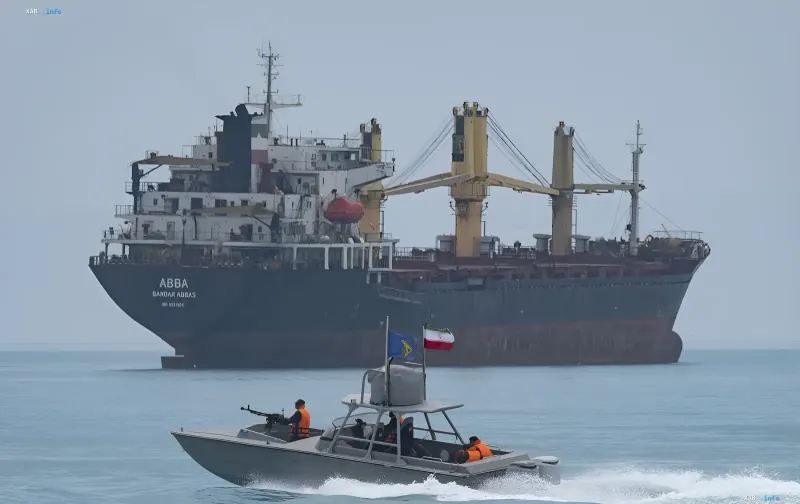
The geopolitical situation in a key hub of global trade — the Strait of Hormuz — may undergo unexpected changes. According to diplomatic sources, Iran is considering an unprecedented step: allowing European countries to participate in the mine-clearing of this waterway. If Tehran confirms this position, it will be a serious signal to Washington and could radically change the course of current negotiations between Iran and the US.
Shift in rhetoric: from hardline refusal to compromise
For a long time, Iran's position on the security of the Strait of Hormuz remained unchanged and rigid. Tehran has repeatedly stated that it will not allow foreign states to conduct operations to clear the waters of mines. However, according to diplomats familiar with the progress of closed consultations, the situation has begun to change in recent weeks.
Iranian authorities have softened their stance, which is seen as part of broader agreements to resume safe shipping. This step is intended to create conditions for further dialogue with the American side and to reduce some of the tension in the region.
Conditions for access and the role of the military
The possible participation of European fleets in mine-clearing operations will not be unconditional. Sources emphasize that the implementation of this scenario is possible only subject to a number of strict conditions:
- Iran must guarantee the full safety of foreign naval vessels.
- The ceasefire regime in the region must remain stable and sustainable.
A key factor determining the final decision remains the position of the Islamic Revolutionary Guard Corps (IRGC). Within this structure, a unified opinion on allowing foreign military forces into the strait has not yet been formed, making the decision-making process complex and dependent on internal politics.
The main question: who pays for passage?
In addition to the issue of mine-clearing, the parties continue to dispute the future management of the waterway. The fundamental disagreement lies in the economic aspect of control over the strait. Iran insists on its right to control the waterway and charge fees for its use by ships.
Washington, in turn, is categorically opposed to such a model, considering the Strait of Hormuz an international waterway free for shipping without additional fees.
On the verge of an agreement?
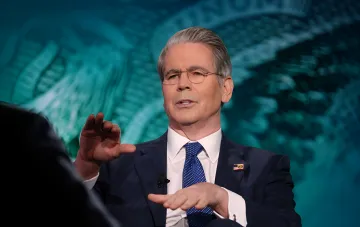
Against the backdrop of these discussions, US Treasury Secretary Scott Bessent stated that Washington and Tehran are a step away from an agreement on the Strait of Hormuz. According to him, the parties are already discussing the details of resuming free navigation.
A possible agreement, according to the US official, could provide for a compromise on issues of control over ship passage, which would be an important step in normalizing the situation in the Persian Gulf.