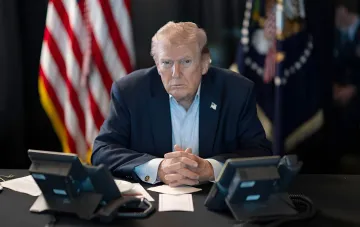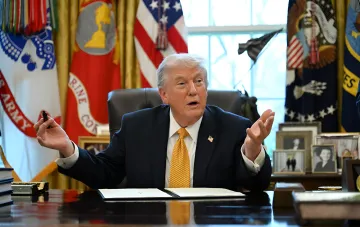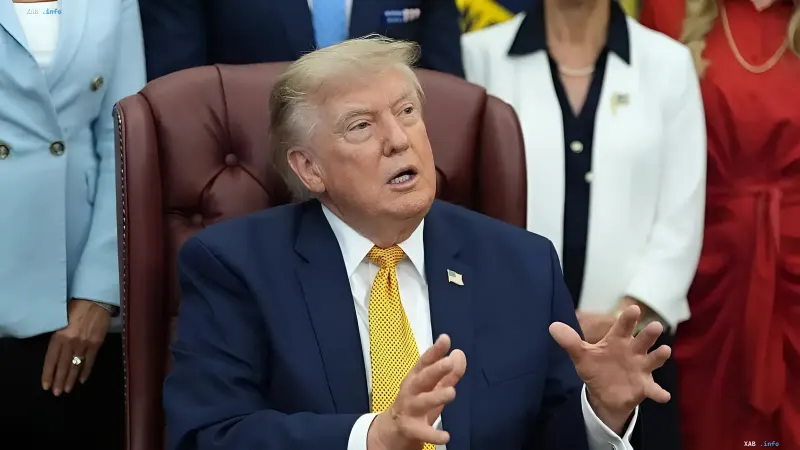
A new wave of contradictions is unfolding in the diplomatic space surrounding Iran. US President Donald Trump stated that Washington and Tehran have resumed contacts at the request of the Islamic Republic itself. According to him, Saudi Arabia, the UAE, and, in particular, Qatar are playing a mediating role in this process. However, the reaction from Tehran was immediate and categorical: Iran immediately denied information about direct negotiations with the US.
Divergence in Positions: What Officials Say
The Iranian Ministry of Foreign Affairs stated that no direct negotiations with the American side have been held. This statement indicates the preservation of deep disagreements between the two states. While the White House reports achieving "basic frameworks" for an agreement, Iranian military officials call such claims "unreliable" information intended to increase pressure on Persian Gulf countries.
Iranian Foreign Ministry spokesperson Esmaeil Baghaei confirmed that Tehran is not in dialogue with Washington. Instead, according to him, the country is discussing measures to ensure maritime security in the region with Oman.
Strait of Hormuz: The Key to Unlocking the Situation
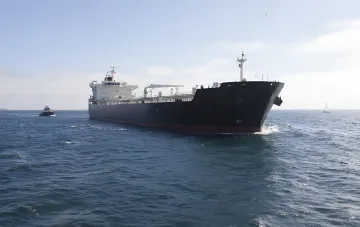
The central element of current disputes remains the Strait of Hormuz. Donald Trump outlined a clear sequence of actions: the top priority is restoring shipping through this strategically important route, and only after that can discussions on Iran's nuclear program begin.
According to the White House, the full resumption of the strait's operations is the first step, while the long-term goal remains the denuclearization of Iran. The Strait of Hormuz continues to be the main point of disagreement. Following US and Israeli airstrikes on Iran in late February 2026, Tehran effectively blocked shipping. About a quarter of the world's volume of oil shipments passes through this narrow waterway, and its closure plunged the global energy market into a state of high volatility.
A History of Failures and New Hopes
The situation in the region remains extremely fragile. As early as June 2026, the parties reached a memorandum of understanding aimed at de-escalating tensions and gradually restoring activity in the strait. However, subsequent retaliatory attacks quickly derailed this process, and the prospects for an agreement seemed hazy.
Against this backdrop, Trump reported that he canceled a plan for a large-scale attack on Iran after receiving a request from Tehran and several Middle Eastern countries. Observers note that the contradictory statements from Washington and Tehran reflect a significant gap in positions. The prospect of resuming dialogue and reducing tensions in the Persian Gulf will depend on whether the parties can find a compromise on shipping and nuclear program issues.