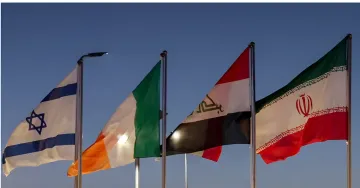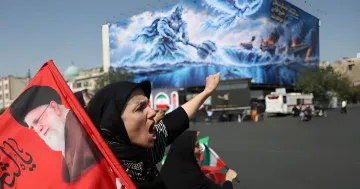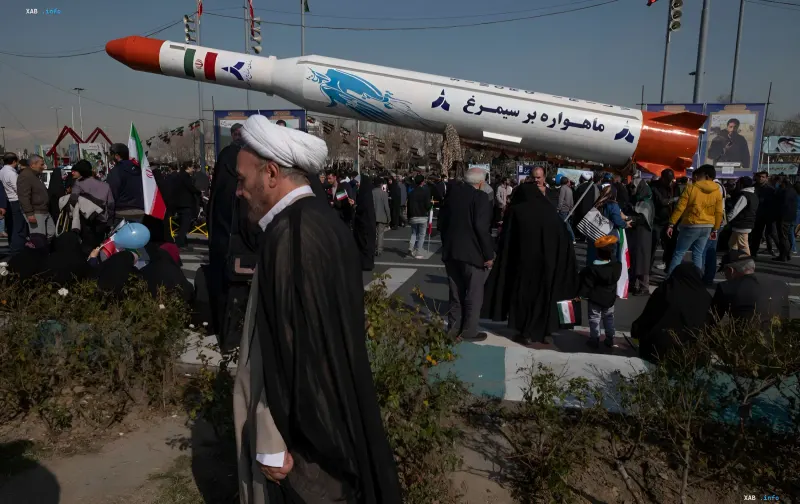
Iran is continuing large-scale preparations for a harsh response in case the United States resumes aerial or military strikes across the country. According to sources from the authoritative Reuters agency, the leadership of the Islamic Republic is skeptical about any prospects for a diplomatic settlement and a peace agreement, although formal channels for dialogue remain open.
Planning Escalation and Expanding Potential Targets
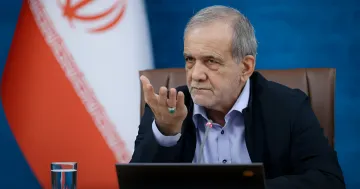
Senior commanders of the Islamic Revolutionary Guard Corps and other high-ranking officials are actively discussing new military response scenarios. According to insiders, Tehran is considering expanding the geography and spectrum of potential targets. While previously strikes were planned primarily against Washington-related regional assets, targets in countries supporting US military operations and potential locations outside the Middle East are now being considered.Discussions intensified after President Masoud Pezeshkian returned from New York following the UN General Assembly session, where diplomatic contacts effectively hit a deadlock. On September 28, US Secretary of State Marco Rubio demanded that the Iranian delegation leave New York, after which the negotiation process finally collapsed due to the unwillingness of both sides to compromise.
Expert Stance and the Regional Allies Factor
As Hamidreza Azizi, a senior Iran analyst at the International Crisis Group, points out, Tehran does not fully understand Washington's further steps and fears both a large-scale campaign and pinpoint strikes on nuclear facilities. The Iranian leadership is determined to deliver a symmetrical or even more powerful response to restore deterrence rather than limit itself to symbolic measures.In addition, Tehran has instructed allied proxy groups in Lebanon, Yemen, and Iraq to be on high alert to support Iranian forces in the event of a full-scale clash.
Contradictory Data
Despite active military preparations and rhetoric about the inevitability of escalation, the situation remains contradictory due to parallel attempts to maintain diplomatic contacts. Officials in Tehran continue to claim they seek to avoid a full-scale war, but the severe economic situation in the country against the backdrop of the US oil export blockade casts doubt on the Iranian economy's ability to withstand protracted confrontation.
While Western media and insiders report the inevitability of a new escalation round and the failure of all peace initiatives, some diplomats emphasize that the final decision on the scale of the retaliatory strike has not yet been definitively made by Iran's top leadership.