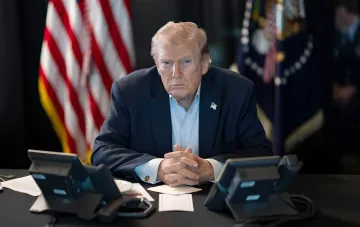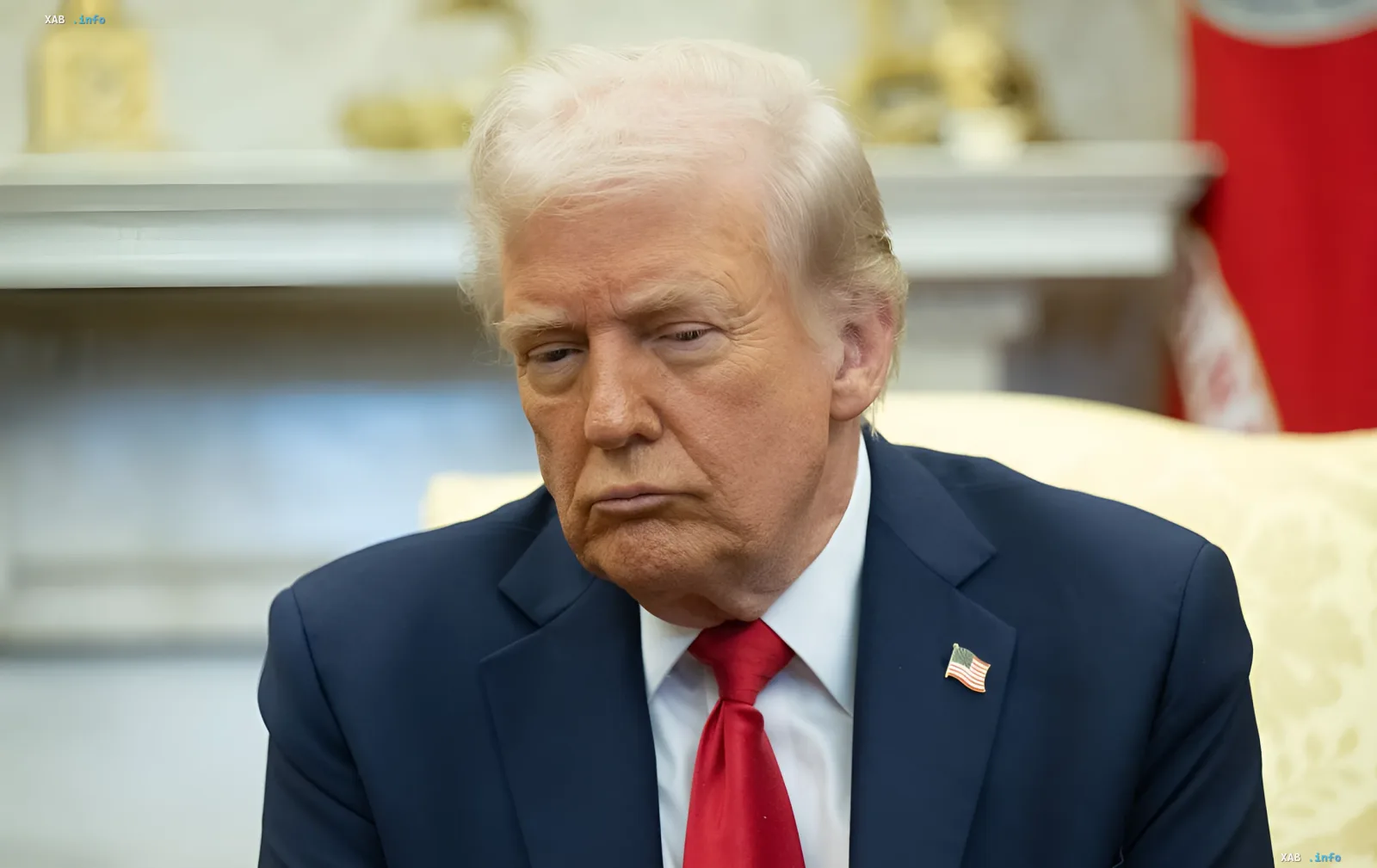
Tehran has officially confirmed that it has transmitted its conditions to Washington for resuming negotiations and ending the war in the Middle East. This was stated by Mohsen Rezaei, Secretary of Iran's Supreme National Security Council, whose words are quoted by RBC-Ukraine citing Al Jazeera. According to him, the Iranian side sent a package of proposals to US President Donald Trump through an intermediary — the state of Qatar, which, in Rezaei's assessment, has already fulfilled its mission. Thus, all the demands put forward, as the Iranian official claims, are "on the table" for the head of the White House.
Transmission of conditions through Qatar
The key element of Rezaei's statement was the mechanism for transmitting the proposals: Iran did not make a direct appeal to Washington but used the Qatari channel of mediation. This indicates that Tehran prefers to conduct sensitive contacts through third parties, maintaining diplomatic distance. Rezaei emphasized that Qatar has completed its role as a messenger, and responsibility for further steps now lies with the American side. The available publications do not cite the White House's reaction to receiving this package, leaving the question of the document's actual status open.
Tehran's three conditions
The Secretary of Iran's Security Council clarified that the country has three "clear" conditions, the fulfillment of which, in his words, will bring peace to the Middle East. However, the specific list of these three requirements is not disclosed in the available materials: Rezaei limited himself to confirming their existence and transmission. This creates an information vacuum, as neither the Iranian nor the American side has voiced the content of the items in the cited sources. Until they are publicly detailed, any attempts to list the conditions will be speculative.
The Yemen track and the Houthis
Against the backdrop of the transmission of the conditions, Rezaei separately stated that Iran is interested in ending the conflict between Saudi Arabia and the Houthis in Yemen. Moreover, he expressed the conviction that the Houthis themselves are eager to reach an agreement with Riyadh. This statement is important for understanding Iran's position: Tehran is trying to present itself as a party interested in de-escalation not only on the direct track with the US but also on the region's peripheral conflicts, which may be an attempt to reduce pressure on its allies while simultaneously demonstrating readiness for compromise.
Contradictory data
Here it is necessary to honestly point out the discrepancies and gaps in the versions. First, the fact of the transmission of the conditions through Qatar and the existence of "three conditions" rests on a one-sided statement by an Iranian official, retold through Al Jazeera and regional media; there is no independent confirmation from the US in the provided sources, meaning the version that the document is indeed "on the table" for Trump is not yet corroborated by the American side. Second, the content of the three conditions themselves is not disclosed in the publications, so there are no contradictions in figures and dates between sources, but there is also no mutual verification of facts. Third, the contextual materials point to a contradictory picture of pressure on Iran: on the one hand, China is intensifying pressure on Tehran to stop the Houthi offensive, while on the other, it is reported that Russia "illuminated" targets for Iran during the attack on the US base in Saudi Arabia. These signals show that Iran's position is being shaped under the influence of several external players, and the public rhetoric about "peaceful conditions" may not fully reflect the actual dynamics of the conflict.
Context: a turning point and external pressure
Rezaei's statement came against the backdrop of a recent comment by US President Donald Trump, who reportedly intrigued the world with a statement about a "turning point" in the US war with Iran. The totality of these signals — the Iranian conditions, Qatari mediation, Chinese pressure, and the mentioned Russian support — paints a picture in which both sides are simultaneously demonstrating rigidity while laying the groundwork for negotiations. It is important for the reader to understand: until Tehran's three conditions are publicly and in detail voiced, and Washington confirms their receipt and content, any conclusions about an imminent end to the war are premature.