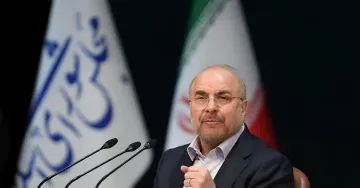
Mohsen Rezaei, Secretary of Iran's Supreme National Security Council, issued a direct warning to the region's neighboring states in an interview with the state broadcaster IRIB. According to him, Tehran views any step toward joining the American economic campaign against Iran as an act of hostility. "We are telling all neighboring countries not to join the US economic war. Otherwise, we will consider them enemies," Rezaei stated, emphasizing that Iran intends to defend its economy by all available means.
Tehran's Three-Stage Regional Strategy
Rezaei outlined the structure of Iran's regional strategy, which, according to him, involves three sequential stages. At the first stage, Tehran intends to de-escalate tensions in relations with neighboring states and pursue negotiations. The second stage includes an attempt to "detach" neighbors from American influence "in a friendly manner," since, as the Iranian official stressed, Iran "does not actually seek to expand the war." Countries that continue to back Washington will be given time to reconsider their decision. However, at the third stage, Rezaei said, "we will inevitably act" — without specifying the nature of the possible measures.
Threats to Oil Routes
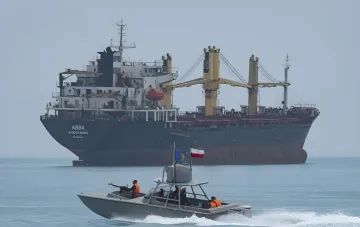
Separately, Rezaei stated that Iran is ready to strike alternative routes for transporting oil from the Persian Gulf if the region's states join the American plans for economic pressure on Tehran. Thus, the threats extend not only to political support for the US but also to the potential involvement of neighboring countries in securing alternative oil supply routes. According to analysts, this statement is aimed primarily at Gulf states whose economies critically depend on oil exports through the Strait of Hormuz and coastal terminals.
Context: Trump's "Most Devastating Economic Operation"
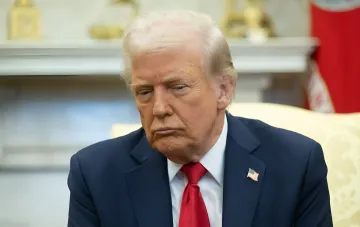
Rezaei's remarks came against the backdrop of a sharp escalation of rhetoric in Washington. Recently, Donald Trump announced the launch of the "most devastating economic operation" in history against Iran, warning that any country whose financial institutions or companies help Tehran evade sanctions pressure will also face severe economic consequences. In addition, Trump expressed the intention to declare the Strait of Hormuz US territory — a statement that was mocked in Iran, with officials saying it is impossible to establish control over a strategic waterway "through a social media post."
Contradictory Data
Open sources contain discrepancies in assessing the scale of potential Iranian retaliatory measures. On the one hand, Rezaei in his IRIB interview emphasizes that Iran "does not seek to expand the war" and prioritizes the diplomatic channel. On the other hand, according to reports from several media outlets, Tehran had considered expanding the list of potential targets beyond the Middle East, which directly contradicts the rhetoric of restraint. Moreover, the formulation "at the third stage we will inevitably act" remains deliberately vague: neither in Rezaei's statement nor in the comments of other Iranian officials is it disclosed which specific tools — military, economic, or hybrid — will be employed. This creates room for various interpretations by regional players and their allies.
Military Context and Demonstration of Capabilities
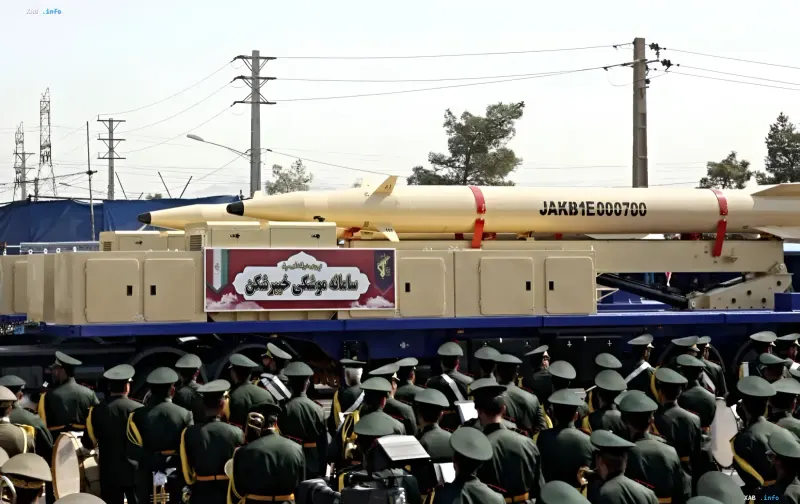
In parallel with diplomatic pressure, Iran continues to publicly demonstrate its military capabilities. At recent parades and display events in Tehran, ballistic missiles and long-range systems were showcased, serving as an additional signal to neighbors. The visual array of such events — including missiles on self-propelled platforms bearing national symbols and inscriptions in Farsi — conveys a message of Tehran's readiness for a forceful scenario, even as officials publicly insist on the priority of negotiations.