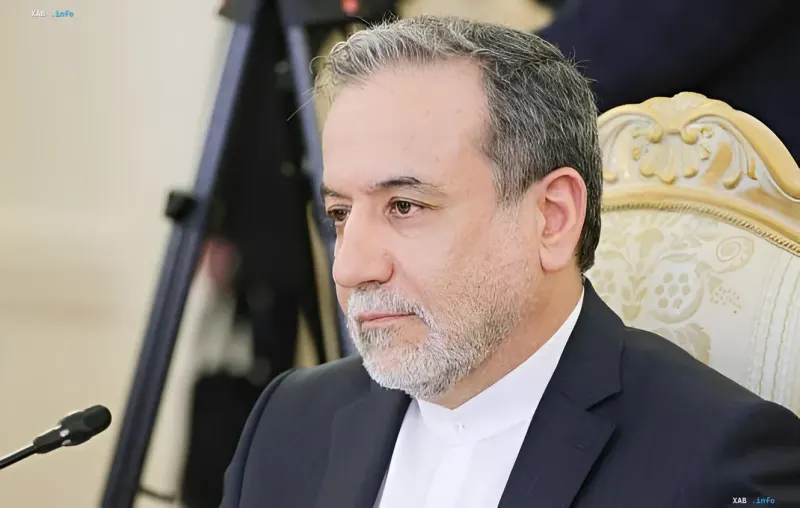
On Sunday, August 9, 2026, Abbas Araqchi, Minister of Foreign Affairs of the Islamic Republic of Iran, held an official press conference in Tehran dedicated to the current state of bilateral relations with the United States. During the event, the Iranian Foreign Minister provided clarifications regarding the nature of diplomatic contacts between the two states, which have recently become the subject of speculation in global media.
Distinguishing Concepts: Negotiations or Message Exchange?
The key point of Abbas Araqchi's speech was a strict distinction in terminology. The Minister stated that currently, there are no official negotiations between Iran and the US. According to him, the existing format of interaction should be classified exclusively as an "exchange of messages" through intermediary channels. Araqchi emphasized: "At present, we do not have direct or official negotiations with America. Yes, an exchange of messages takes place through intermediaries. Please understand: this is not called 'negotiations,' but specifically 'exchange of messages' to prevent missteps".
Mechanism of Communication via Intermediaries
According to confirmed data, the primary channel of communication between Washington and Tehran remains the Sultanate of Oman (the so-called "Muscat channel"). As additional diplomatic routes, the US Interests Section at the Swiss Embassy in Tehran, as well as diplomatic representatives of Qatar, are used. This format allows the parties to exchange information, warnings, and positions without the need for direct meetings at the level of official delegations.
Geopolitical Context and Prevention of Escalation
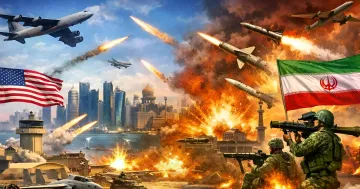
The statement by the Iranian Minister came against the backdrop of a critical escalation of the situation in the Middle East, which, according to experts, reached a peak phase in August 2026. Following a series of mutual strikes between Israel, the Lebanese group Hezbollah, and Iran, the region is balancing on the brink of a full-scale conflict. Through intermediary channels, the US is transmitting warnings to Iran about the consequences of possible new large-scale missile attacks on Israel. In turn, Tehran uses these channels to demand that Washington influence the actions of Israeli Prime Minister Benjamin Netanyahu, while stating that it does not seek escalation but reserves the right to take retaliatory measures.
Status of the Nuclear Program and the JCPOA
During the briefing, Abbas Araqchi also touched upon the issue of the nuclear deal (JCPOA). He confirmed that any discussions related to Iran's nuclear program are currently completely halted. The Foreign Minister cited the "destructive position of the US and the situation in Gaza" as the reason for suspending dialogue in this area. Previously, in 2025, the communication channel through Oman was used to attempt to revive the agreement, but at the current moment, this format has been repurposed exclusively for emergency communication on security issues.