
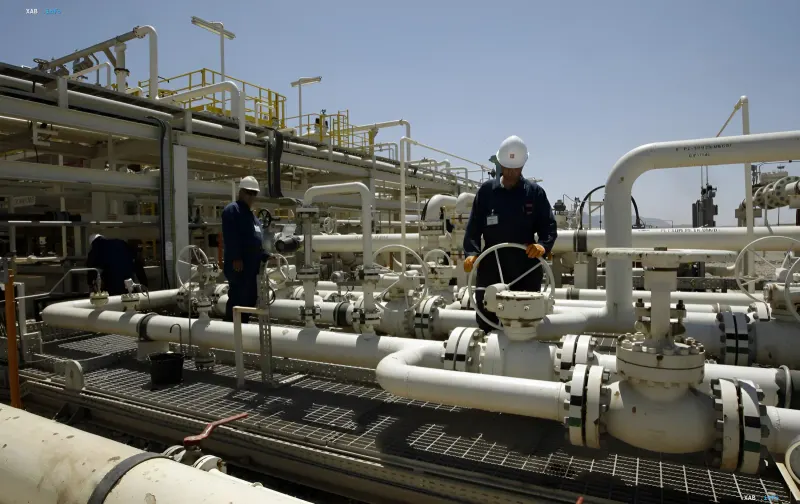
Iraq is preparing to expand its oil export capabilities, relying on two key routes — through Syrian territory and to the Turkish Mediterranean port of Ceyhan. According to figures embedded in Baghdad's plans, the combined throughput along these directions could be raised to more than 1 million barrels per day. This strategy is directly aimed at diversifying export flows: the country is seeking to avoid reliance on a single main transportation route and to reduce the vulnerability of its oil sector to disruptions on any given path.
The Port of Ceyhan as a Key Hub
The Turkish port of Ceyhan remains one of the most important oil export points in the region, and it is precisely through this port that Iraq intends to significantly increase shipments. According to reports from industry publications, supply volumes via Ceyhan are planned to be raised to 750,000 barrels per day, and the agreement on the Kirkuk–Ceyhan pipeline has been extended for another year. The parties have also agreed to expand throughput while circumventing accumulated risks, making the Turkish direction a more stable channel for delivering Iraqi crude to global markets.
Contradictory Data
Figures on target volumes differ across open sources. The base version of the plans refers to a combined total exceeding 1 million barrels per day across both routes — the Syrian and the Ceyhan one. At the same time, certain publications cite a more conservative figure of 750,000 barrels per day, but this applies exclusively to the Turkish direction. Moreover, the specific timelines for implementation and the final parameters of future supplies remain uncertain: they depend on the pace of development of the necessary pipeline infrastructure and on the agreements between Baghdad, Damascus, and Ankara. Thus, the fact of the intention to expand exports has been publicly confirmed, while the exact combined volume and the schedule for achieving it require additional verification.
Context of the Global Oil Market
Iraq's decision is being made against a backdrop of tense market conditions. Activity by Yemen's Houthis, acting in Iran's interest, has once again pushed oil prices up, and quotes are likely to close the week above the $100-per-barrel mark for the first time since mid-May. Meanwhile, Russia's oil refining sector continues to lose capacity due to systematic strikes by Ukrainian drones: it is forecast that over the next year and a half Russia will be able to process no more than 4 million barrels per day. In parallel, the European Court of Auditors notes that the EU is falling behind schedule on phasing out Russian energy supplies, as bloc countries are underinvesting in supply diversification, renewable energy, and grid development. In this configuration, the expansion of Iraqi export routes looks like an attempt to fill emerging niches and offer the market an additional, geographically diversified flow of crude.




