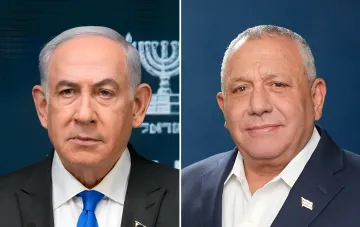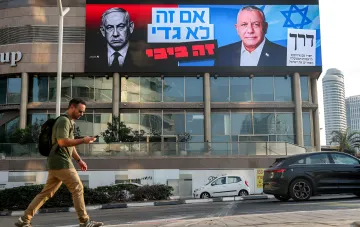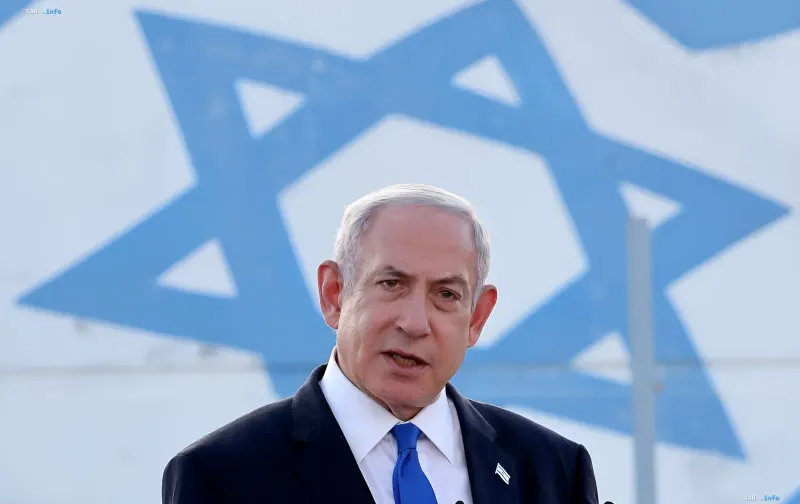
In the night from October 27 to October 28, 2026, parliamentary elections were held in Israel. As of 7:57 AM on October 28, after processing 57.36% of the ballot boxes, the bloc supporting incumbent Prime Minister Benjamin Netanyahu maintains an advantage over its opponents. These preliminary data were released by the Central Election Commission of Israel, referenced by RBC-Ukraine. Vote counting is ongoing, so the final distribution of seats in the Knesset may still change as the remaining ballots are processed.
Preliminary Mandate Distribution
According to the commission, the prime minister's supporting bloc—comprising Likud, Shas, Otzma Yehudit, United Torah Judaism, and Religious Zionism-Zehut—provisionally secures 55 seats. The anti-government bloc, including the Yashar, Beyahad, Democrats, and Yisrael Beiteinu parties, holds 49 seats. Another 16 seats, according to preliminary data, go to the Arab parties Hadash-Ta'al (United List) and Ra'am. Thus, at the current counting stage, the incumbent prime minister's supporters lead their opponents by six mandates, with the total distributed seats reaching 120—the full composition of the Knesset.
Who Failed to Pass the Electoral Threshold
To enter the Knesset, a party must garner at least 3.25% of the vote. According to preliminary results published by the commission, several political forces have not yet reached this threshold: the Reservists are polling at 2.6%, the People of Israel at 1.7%, and Haredi Public at 0.2%. If these parties fail to clear the threshold in the final count, they will not secure seats in parliament.
Turnout and Counting Dynamics
Voter turnout stood at 77.7%, the highest figure since 1999. Initial exit polls gave a slight advantage to the opposition, but updated counting data showed that Benjamin Netanyahu's party bloc could tie with or surpass its opponents. The figures at the time of publication are not final: results will be updated as the remaining ballot boxes are processed.
Significance of the Results
The voting outcomes will impact the formation of the future government composition and, according to observers, the country's further political trajectory and the situation in the Middle East. The RBC-Ukraine article provides a detailed analysis of how the election results may influence the regional context.