During the parliamentary elections in Israel, 31.5% of registered voters had cast their ballots by noon. According to the Central Election Commission, this is the highest turnout rate for this time of day in over half a century. For comparison, during the previous elections in 2022, only 28.4% of voters had cast their ballots by the same hour. Thus, the current voting is demonstrating a noticeably higher level of civic participation right from the start than it did four years ago.
A Record Unseen for Decades
CEC representatives emphasized that such a level of voter participation by noon has not been observed since the 1970s. Initial reports link this benchmark to the 1973 elections, while several other media outlets point to 1977 — in either case, it is a record that has not been broken for several decades. High turnout, according to the commission's assessment, has become the primary factor shaping the course of the day at polling stations across the country.
Long Lines and Extended Polling Hours
Acting Director General of the Central Election Commission Dean Livne reported that lines had formed at many polling stations, calling it a natural consequence of the high turnout. «Lines have formed at many polling stations. When voter turnout is high, there will always be lines,» he noted. According to him, polling stations opened at 7:00 AM and are scheduled to close at 10:00 PM, though this time does not mean an automatic halt to voting for those already standing in line.
The CEC assured that if people who have not yet voted remain at the stations by 10:00 PM, the stations will continue operating until everyone who arrived before the set deadline has cast their vote. «We promise that everyone will vote. If there is a line at 10:00 PM, the polling stations will continue to operate until everyone who arrived by 10:00 PM has voted. There is no reason to worry,» the commission representative stressed.
Political Context: Opposition vs. Incumbent Prime Minister
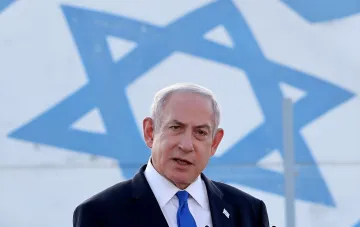
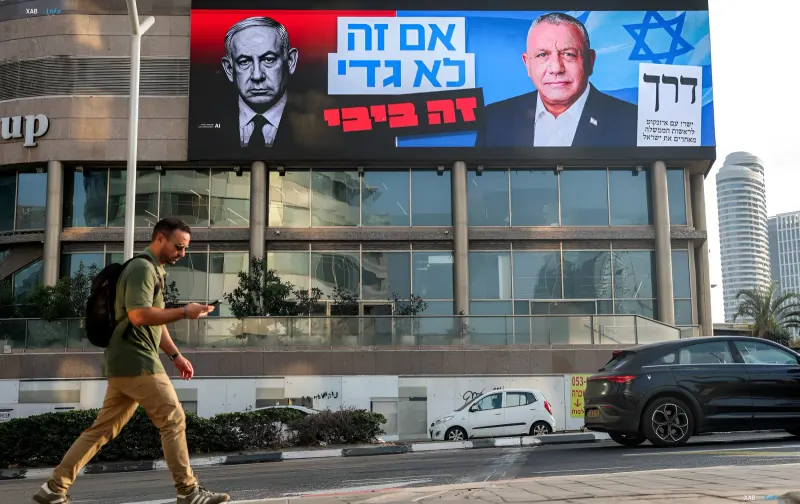
The elections are taking place amid fierce political competition. On the eve of the vote, the united opposition led by Naftali Bennett, Yair Lapid, and several other political forces opposed incumbent Prime Minister Benjamin Netanyahu. Street campaigns across the country, including large billboards featuring portraits of the leaders, highlight the intensity of the standoff between the ruling camp and the opposition bloc.
What This Could Mean for Kyiv and the Region
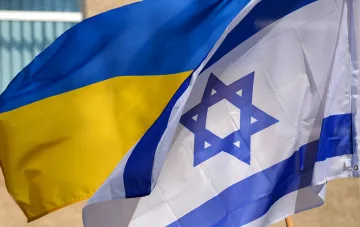
According to experts, opposition parties declare higher support for Ukraine than the current ruling coalition. In the event of their victory, Kyiv could count on a more active dialogue regarding countering Iran, sharing experience in combatting drones, and improving Israel's relations with the European Union. The election results and the formation of the future government are expected to impact not only Israel's domestic politics but also the dynamics of relations in the region and with a number of international partners.