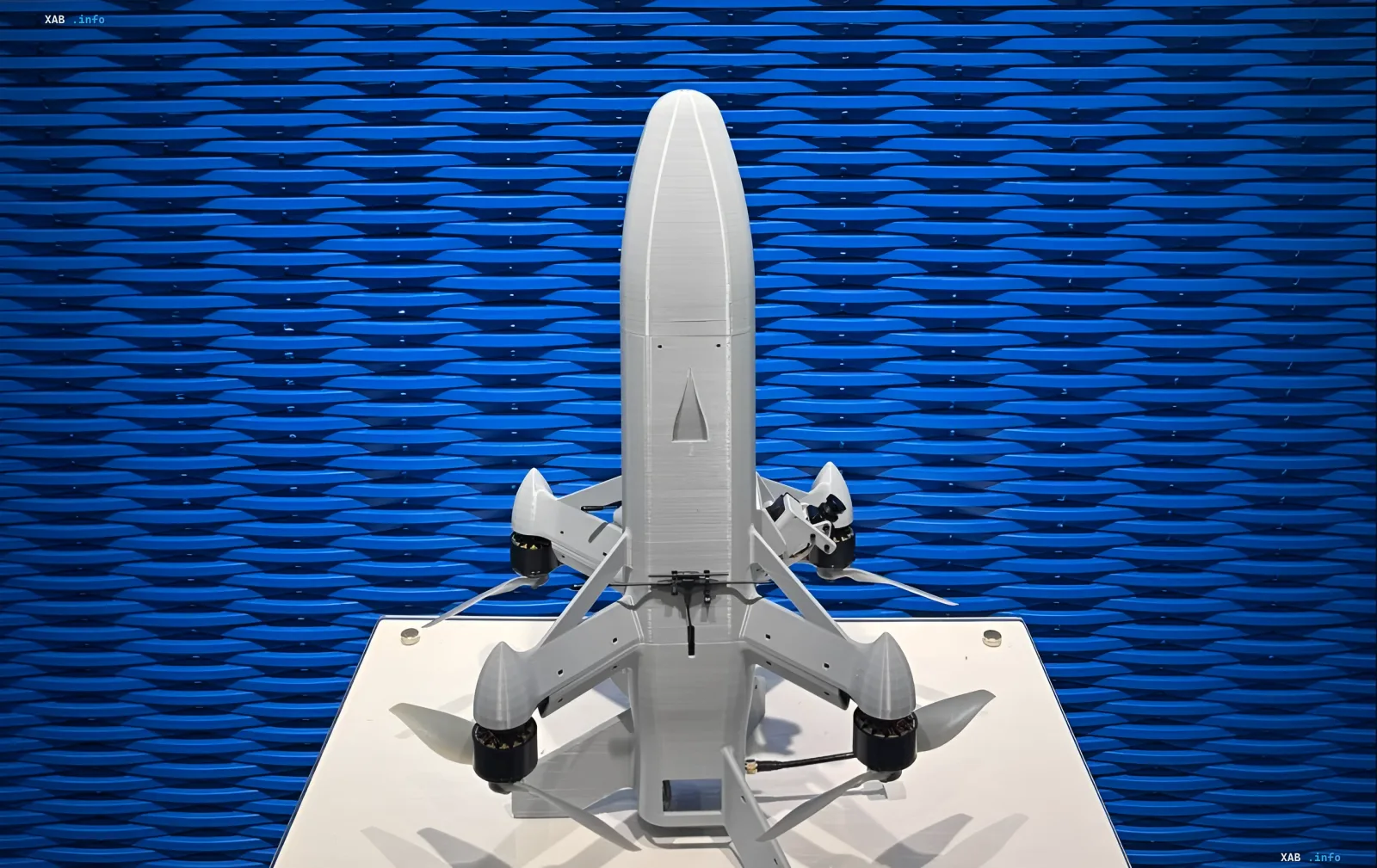
Japan's Agency for Technology, Logistics and Acquisition (ATLA) has decided to procure the Terra B1 drone interceptor as part of a state armament program. This was reported by RBC-Ukraine, citing a press release from the manufacturer, TerraDrone. In doing so, the Japanese military has officially settled on an interceptor model that is set to become a tool for countering mass attacks by long-range unmanned aerial vehicles.
Timeline of the ATLA competition
The agency's competition to select drone interceptors launched in June 2026. In July, ATLA shortlisted four models for practical trials commissioned by the Japan Maritime Self-Defense Force. The results were announced on August 25, 2026: on that day the agency signed a contract to procure the Terra B1, choosing it from among the four finalists of the trials.
Selection criteria: not just technical specifications
Terra Drone emphasized that the trial results demonstrated the drone's compliance with the established requirements. The company also noted that, in making its decision, the agency considered not only the technical specifications of the Terra B1 but also the manufacturer's ability to ensure rapid delivery of the system. The speed of delivery became one of the key factors in a situation where the need for interceptors is shaped by the current threat.
Purpose of the interceptor and the developer's combat experience
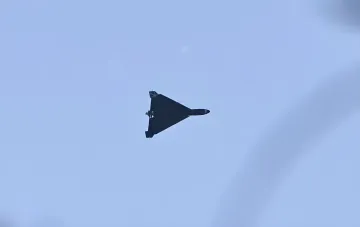
The Terra B1 was developed to counter long-range unmanned aerial vehicles, in particular Shahed-type UAVs. According to the company, the interceptor's development drew on experience gained in various operational environments, including in Ukraine. This allows the system to be positioned as a solution proven in real-world scenarios of countering mass drone attacks.
Delivery plans for Japan's Self-Defense Forces
The first deliveries of the Terra B1 are expected to go to the Japan Maritime Self-Defense Force — the force for which the trials were conducted. Going forward, Terra Drone plans to consider the possibility of supplying the system to the country's Air and Ground Self-Defense Forces as well, which could expand the interceptor's use beyond the maritime component.
Context: Ukrainian experience in Japanese procurement
Japan's decision embeds Ukrainian experience in countering drone threats into the armament structure of one of the key countries of the Asia-Pacific region. Previously, RBC-Ukraine reported on how the drone procurement system for the Ukrainian Armed Forces is changing and how the special weapons marketplace DOT-Chain Defence operates, as well as on the completion of development of the first Ukrainian glide bomb, the KAB 'Vyравnovatel' (Balancer), after a year and a half of work. The selection of the Terra B1 in Japan is a continuation of the trend toward exporting Ukrainian developments in the field of drones and their interception.