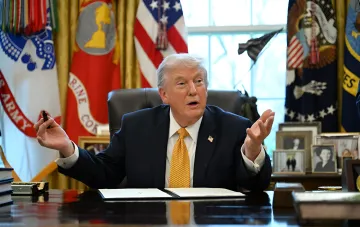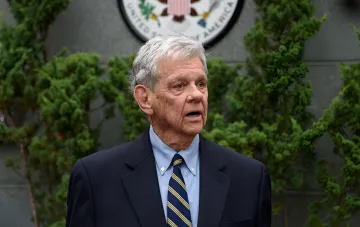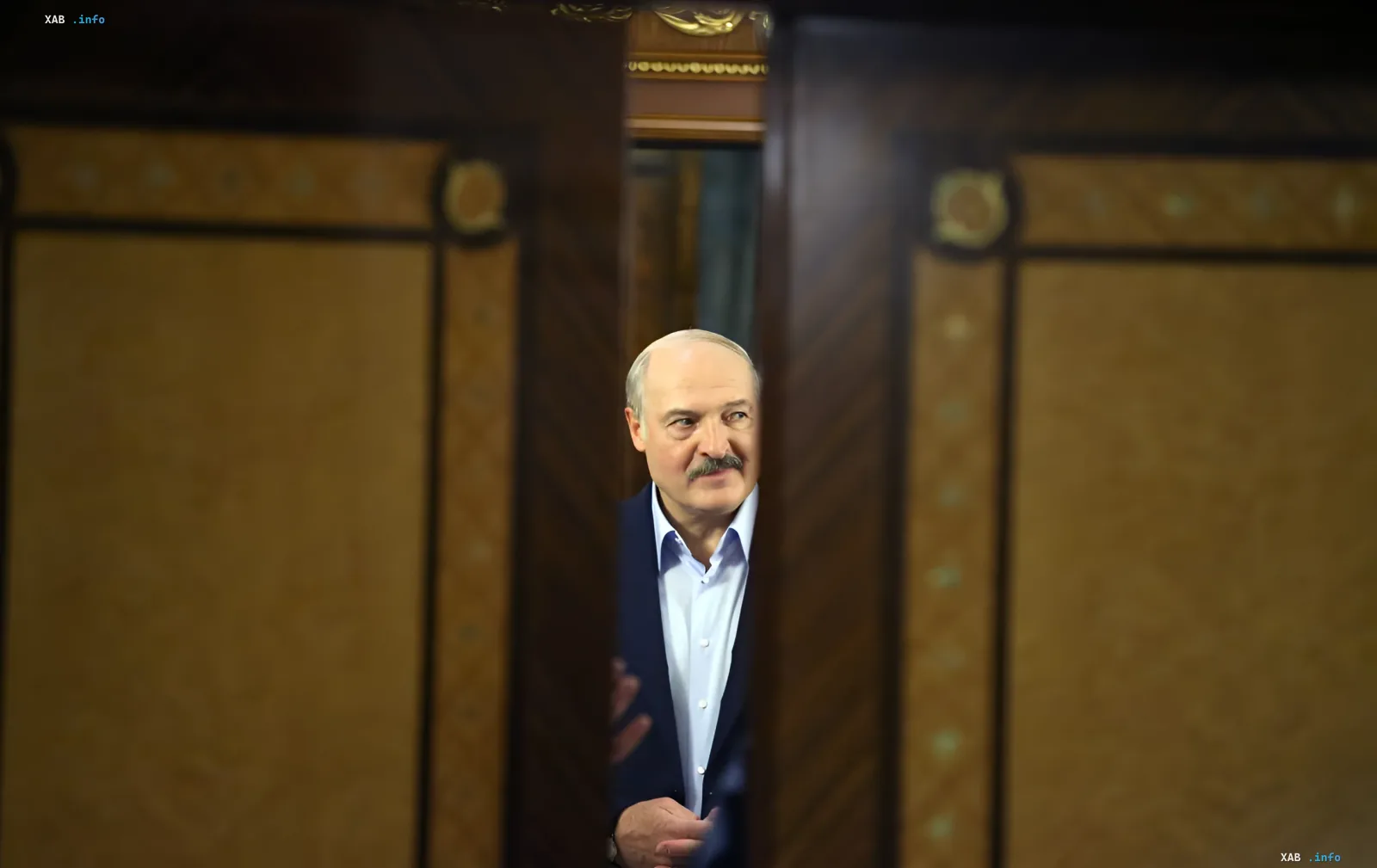
U.S. Special Envoy to Belarus John Cole — a 79-year-old Baltimore lawyer and personal friend of Donald Trump — has built a line of communication with Alexander Lukashenko that fits no textbook of diplomacy. According to The New York Times, as cited by RBC-Ukraine and RBC, Cole negotiates with the Belarusian leader through indecent jokes, shots of vodka, and advice on losing weight. The result of this approach, in the diplomat's own words, is the release of 500 political prisoners and the pardon of several hundred more. At the same time, critics argue that Washington is paying too high a price for these successes by giving up on sanctions pressure.
The Diplomacy of a Shot and a "Bunch of Pants"
When Cole was first invited to a meeting with Lukashenko, his colleagues in the White House gave him a short piece of advice: just entertain the dictator. Arriving in Minsk, the diplomat followed the recommendation literally. Within 20 minutes of conversation, Lukashenko began to complain emotionally about European leaders, and Cole, by his own admission, played along by calling them "pants." "He really liked that. The Europeans, on the other hand, did not," Cole himself sums up. After the toasts, Lukashenko personally promised to release not only the American they had originally negotiated for, but also another U.S. citizen — "because I like you." It was precisely this informal atmosphere, in the diplomat's assessment, that became the key to unlocking dozens of cases.
500 Prisoners and the Price of the Deal
According to the NYT, the cumulative result of Cole's negotiations with Minsk is the release of 500 political prisoners and the pardon of several hundred people. In return, Cole secured a partial easing of sanctions against Lukashenko and proposed a roadmap for normalizing relations between the United States and Belarus. Concrete results became visible as early as May 2026: Trump announced the release of three Poles and two Moldovans from Belarus and Russia, among them the Polish journalist Andrzej Pochobut, who had previously been held in a Belarusian prison. In March of the same year, Cole visited Minsk and held a meeting with Lukashenko at the Palace of Independence; the next day, the Belarusian leader spoke of a "big deal" with Trump, providing for the release of political prisoners.
The Baltimore Lawyer Who Turned Social Media Upside Down
John Cole is not a career diplomat. In his legal practice, he represented victims of the Bhopal chemical disaster (India, 1984) and handled the first major class-action lawsuits against tobacco companies. After social media blocked Donald Trump's accounts in January 2021, it was Cole who built the legal strategy that led Meta, YouTube, and X to pay tens of millions of dollars to settle the lawsuits. This experience, in the assessment of colleagues, shaped his approach to negotiations: direct pressure, personal logic, and a readiness to go for unconventional solutions.
Contradictory Data
Assessments of the results of "vodka diplomacy" diverge sharply. Cole insists that his only goal is the release of prisoners and bringing Belarus into the "family of nations." He rejects accusations that the U.S. is "buying" the loyalty of an authoritarian regime. Opponents, including human rights organizations and some European diplomats, see the opposite: they call the Belarusian judicial system a "conveyor," where new political prisoners are arrested at the same rate at which old ones are released. In their words, trading freedom for sanctions relief "rewards the trafficking of people" and sets a precedent in which authoritarian regimes are given an incentive to continue repression, knowing they will ultimately receive concessions. Thus, the same figure — 500 released — is proof of effectiveness for one side and a sign that the price of citizens' freedom was too cheap for Minsk, for the other.
The Horizon: From Minsk to Moscow
Cole does not limit his ambitions to Belarus. In his words, he plans to use the connections he has built to free political prisoners in Russia as well. Nobel laureate Dmitry Muratov has already approached him with a proposal to consider the exchange of civilian prisoners between Russia and Ukraine. At the same time, the diplomat emphasizes that he first intends to complete the release of the remaining Belarusian political prisoners and expects another major exchange in the near future. Thus, the "vodka diplomacy" of Minsk could become a model that Washington will try to scale to other authoritarian regimes — with the same risks and the same controversial costs.