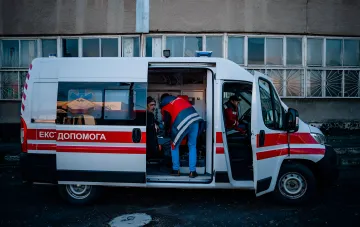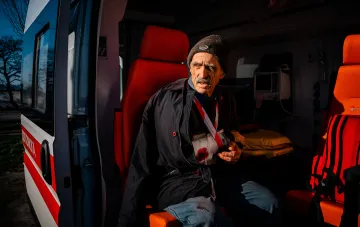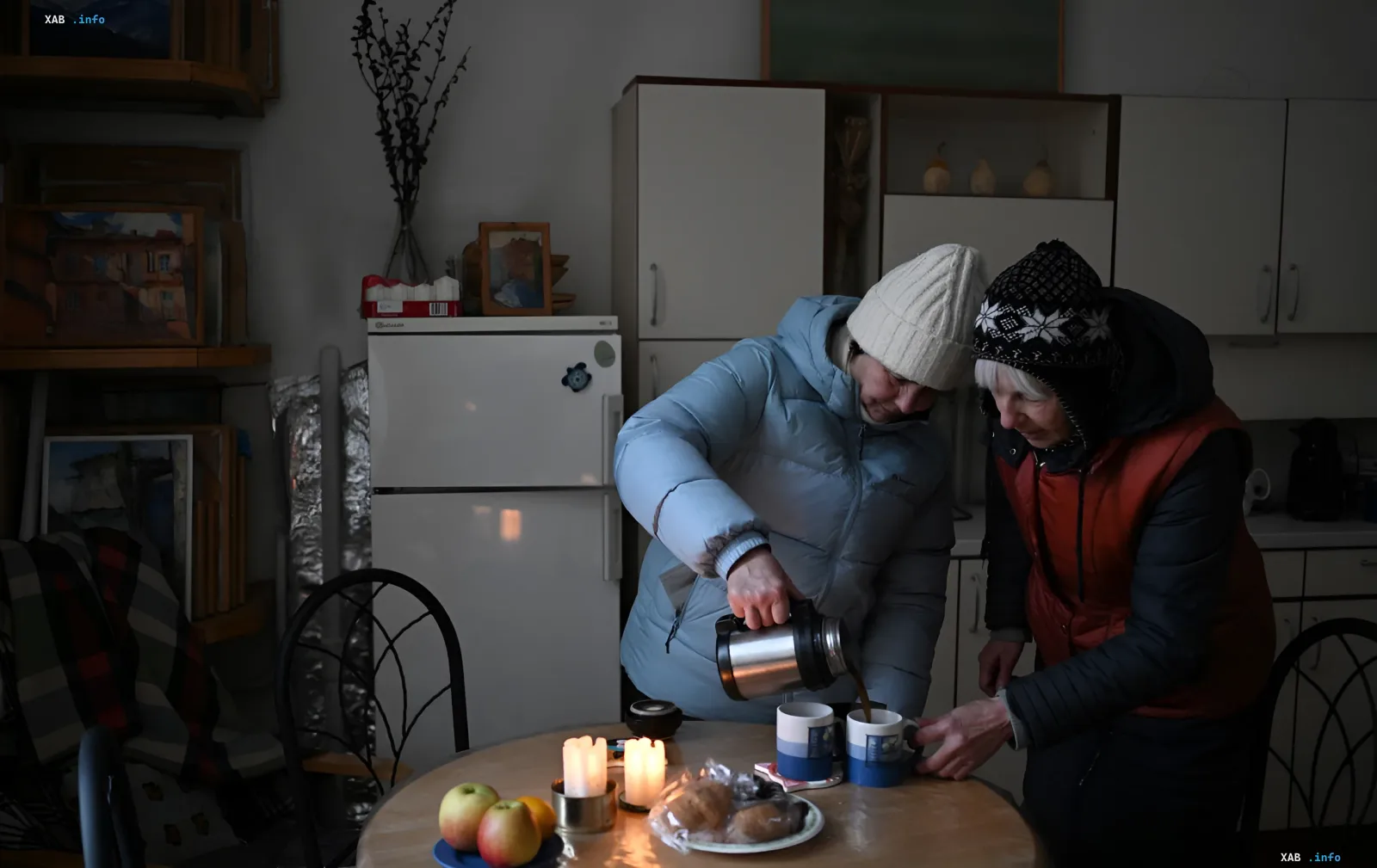
Alexander Tolokonnikov, Deputy Head of the Kherson Regional Military Administration, addressed residents of the regional center on a TV marathon with a recommendation: those who are not ready to leave the city entirely should at least relocate to safer regions for the autumn–winter period, where heat and electricity are guaranteed. In his words, given the ongoing strikes on energy infrastructure, it is extremely difficult to ensure stable heating for Kherson this year, and the authorities cannot give residents firm guarantees.
Call: ride out winter in a safe region
As reported by RBC-Ukraine, Tolokonnikov emphasized that this is not a forced evacuation, but a practical recommendation for those who, for various reasons, do not plan to leave the city for a long time. The official's logic is simple: in regions far from the front line, it is possible to "stay warm and have light," whereas in Kherson heating remains a vulnerable link. Earlier, the head of the Kherson Regional Military Administration, Alexander Prokudin, had made a similar call for evacuation, noting that this winter the city would not be able to count on the thermal power plant (TPP) operating in normal mode.
Decentralizing heat under fire
The authorities, according to Tolokonnikov, continue working on decentralizing heating, but implementing such projects under constant shelling is significantly harder than in rear areas. The official cited Ivano-Frankivsk Oblast as an example, where similar tasks are being solved without the threat of strikes. In Kherson, by his account, Russian drones from the left bank of the Dniper maintain constant surveillance, scout the locations of facilities, and can strike at any moment, which makes preparations vulnerable.
Strike on the TPP and lack of guarantees
Tolokonnikov acknowledged that the launch of several "Herber" thermobaric missiles could wipe out all the work done to prepare for the heating season. He recalled that on the eve, Kherson TPP had been struck by four guided aerial bombs, as a result of which the facility sustained critical damage and all remaining heat-generating equipment was destroyed. At the same time, the official referred to last winter's experience, when after the TPP was destroyed by the Russians, energy workers managed to supply heat to homes across almost the entire city, and expressed hope to repeat that result, with the caveat: "How it will be this year is unknown."
Contradictory data
In open sources, the scale of strikes on Kherson's energy infrastructure and the nature of the evacuation measures are described with discrepancies. The basic message about Tolokonnikov's statement refers to a strike on the TPP by four KABs "on the eve" and to the advisory nature of relocating for the winter. At the same time, other reports record separate episodes of massive attacks on the city center using a significantly larger number of aerial bombs and artillery, and the wording regarding "evacuation" varies from an official call to relocate to discussions of the de facto start of an organized evacuation. These differences in figures and in the interpretation of the measures require cautious reading: what is confirmed is the fact of the Regional Military Administration's call for temporary relocation, whereas the exact parameters of the TPP damage and the nature of the restrictions do not match across sources.
Context: the position of the RMA leadership
The call for temporary evacuation fits into a broader line that the Kherson Regional Military Administration had been pursuing earlier: the regional leadership has consistently warned that the winter period of 2026 could become the most difficult for the city during the hostilities due to the destroyed heat-generating capacity. The official course comes down to two elements — continuing technical work on decentralizing heat and simultaneously preparing residents for possible living in safer regions until spring. Against the backdrop of this statement, the question of Kherson's energy resilience remains one of the key issues for the region ahead of the heating season.