Residents of populated areas in the Kherson region will receive humanitarian assistance at least once a month, according to an agreement endorsed by both sides. This was reported by Fox News, citing Ukrainian media. Under the terms, Russia and Ukraine will organize regular deliveries of humanitarian aid as well as repatriation measures in the settlements of the Kherson region. These measures, as noted, will be carried out as needed, but with a fixed minimum frequency of at least monthly.
Regular Deliveries and Repatriation
The agreement solidifies two key areas of work: delivering humanitarian aid to civilians and preparing for the evacuation of residents. The frequency of these measures is established as a lower threshold of at least once a month, meaning more frequent deliveries are possible if the need arises. Thus, the mechanism transforms from a one-time action into a regular format of interaction tied to specific settlements in the region.
The Role of the Coordinator and Context of the Oleshky Mission
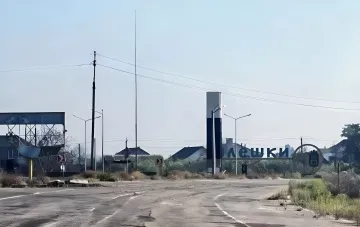
The agreement became possible following a humanitarian mission in the area of temporarily occupied Oleshky in the Kherson region. According to the terms of the agreement, US President Donald Trump will facilitate and coordinate the regular deliveries and repatriation measures. This indicates that the mechanism is not limited to bilateral contact, but involves a third party as the process coordinator.
Ceasefire Regime and the First Hours
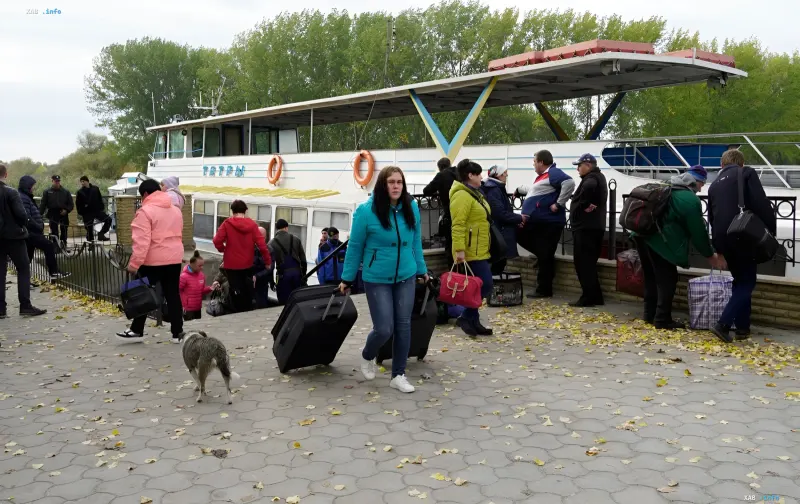
On October 27, a ceasefire regime was introduced in the area of temporarily occupied Oleshky to carry out a humanitarian mission, which involved delivering aid to civilians and preparing for the evacuation of residents. Initially, the ceasefire was supposed to last until 10:59 PM on November 1, but it was later expanded beyond the city to ensure the safety of humanitarian convoys. According to Ombudsman Dmytro Lubinets, the first 30 hours of the ceasefire in Oleshky passed without a single incident.
Evacuation Route According to the Financial Times
Separately, the Financial Times reports on the logistics of evacuating residents from Oleshky: according to the publication, people will first be taken to Russia or temporarily occupied Crimea, after which they will be able to return to territory controlled by Ukraine. This route, as follows from the report, is part of the general evacuation plan recorded within the framework of the humanitarian mission.