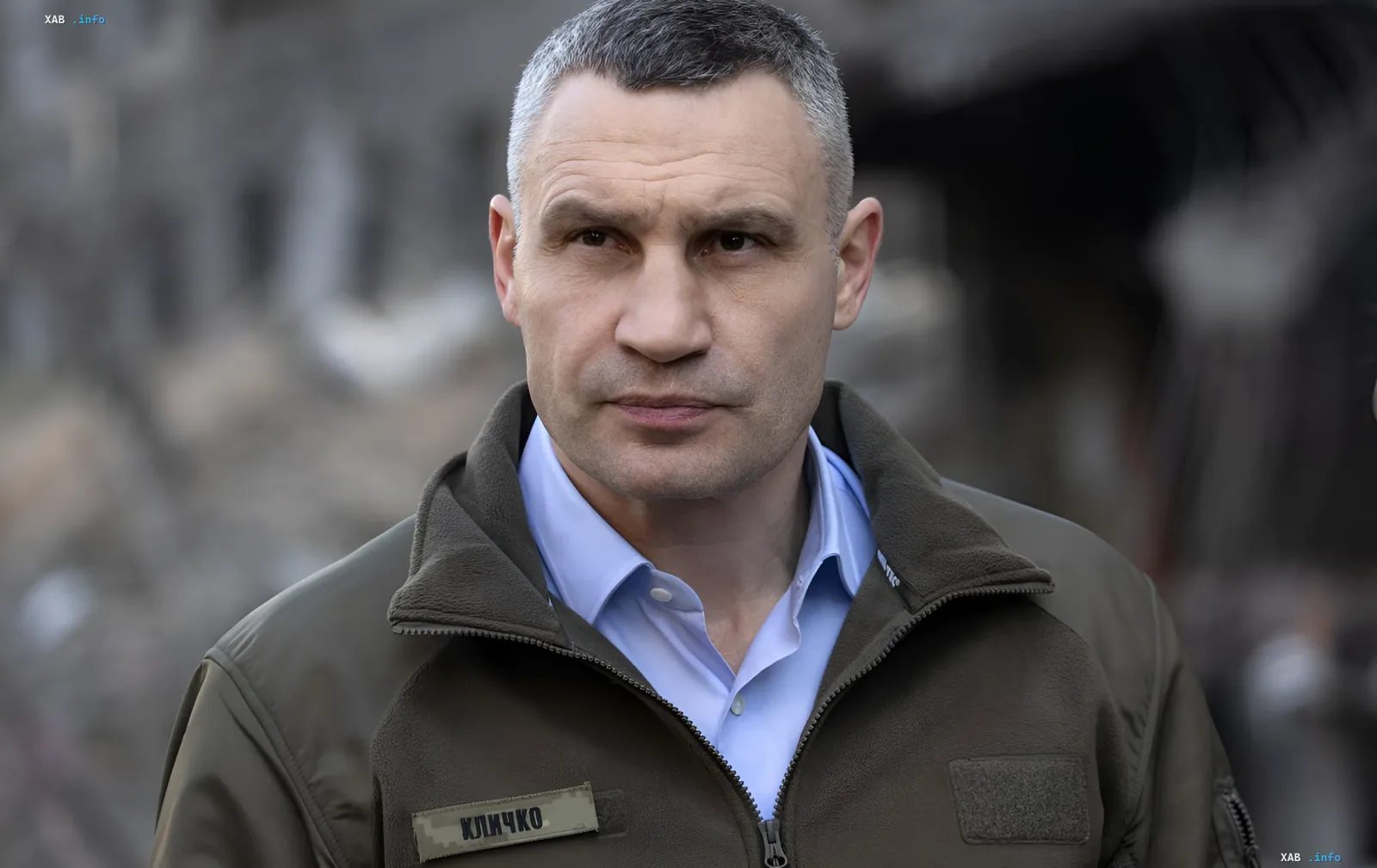
Against the backdrop of persistently high levels of air threat, Kyiv's authorities have moved to revise the city's basic security protocols. As the capital's mayor, Vitali Klitschko, reported on his Telegram channel, a meeting of the city's defense council was held in Kyiv, at which, among other things, an appeal to the government with a proposal to amend the current security protocols was considered. According to the mayor, the prevailing conditions require the development of separate rules for Kyiv's day-to-day functioning, adapted to a regime of constant alerts.
Appeal to the government: separate rules for the capital
The key outcome of the defense council meeting was the decision to prepare, at the city level, a package of proposals for the government. This is not about one-off measures, but about a systematic restructuring of how the capital operates under conditions of regular aerial attacks: from the organization of services to the everyday life of residents. Klitschko emphasized that Kyiv intends to propose a new algorithm of action to the government, which will be developed after specific changes are worked out at the local level.
Bridge traffic: review with military involvement
A separate and perhaps the most practical item on the agenda was the issue of organizing traffic on Kyiv's bridges during air alerts. City authorities, together with the military, plan to review the operating procedure for bridge crossings at moments of highest threat. This decision logically follows from the experience of past alerts, when mass departures and delays at river crossings created additional risks for pedestrians and vehicles. The new rules should reduce the load on the bridges and make movement predictable during critical moments.
Alerts, curfew and logistics
The review of security protocols is part of a broader cycle of changes already being discussed in Kyiv and the region. It was previously reported that the capital may change the procedure for notifying the population during air alerts, as well as revise the curfew regime. In parallel, authorities are developing new rules for the operation of transport and logistics during prolonged alerts, in order to ensure the continuity of supply and the functioning of critical services. Thus, the issue of the bridges becomes part of a unified system for adapting the city to a regime of constant threat.
What comes next
According to Klitschko, after the relevant changes are worked out at the city level, Kyiv will have to propose a new algorithm of action to the government. This means that final decisions on security protocols, bridge traffic and alerts will be made at the intersection of city and state authority. For the capital's residents, this may mean stricter but also clearer rules of conduct during alerts, aimed at reducing risks in conditions where aerial attacks have become a routine factor of city life.