Destabilization Strategy: Moldova as a Testing Ground for Western Division
Amid a protracted conflict in Ukraine and escalating geopolitical pressure, the Kremlin has revised its strategic priorities for 2026. According to data obtained by Western intelligence services and published by The New York Times, Russia's primary objective for the current period is not merely holding occupied territories, but the systematic dismantling of NATO and the European Union from within. To test this grand strategy, Moscow has chosen Moldova, viewing it as an ideal laboratory for hybrid warfare.
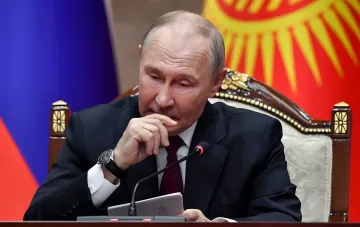
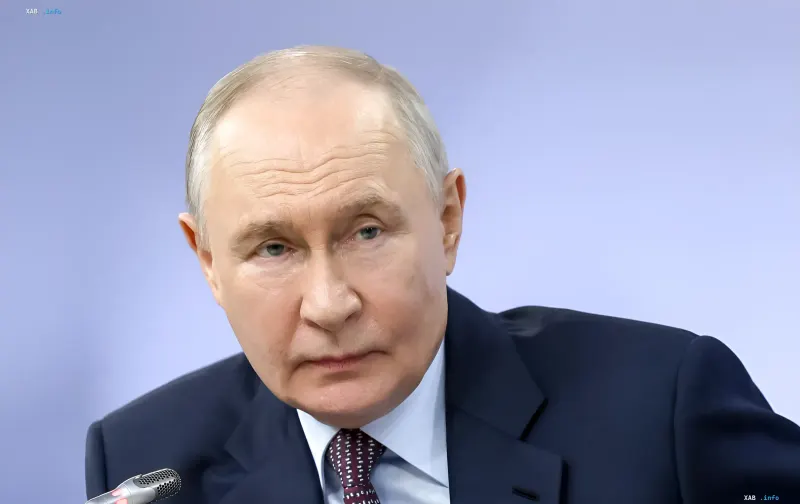
Sources in US and European intelligence agencies report that Vladimir Putin personally outlined these plans during a closed briefing for the top military command. This occurred shortly after the Russian leader publicly accused Western countries of "stoking hysteria" regarding security threats. In the Kremlin's new hierarchy of priorities, two main tasks are clearly defined: the final conquest of Ukraine and the establishment of strict control over Moldova. Moscow calculates that capturing southern Ukraine will allow the creation of a land corridor to unrecognized Transnistria, thereby gaining a powerful foothold for pressure on the Alliance.
Hybrid Warfare: From Fighter Training to Vote Buying
The operation to destabilize Moldova was conducted along several fronts simultaneously. Russian military intelligence (GRU) organized secret training exercises for young Moldovans in Serbia, Bosnia, and the outskirts of Moscow. In parallel, a large-scale corruption campaign was launched. Journalists discovered that the system of vote buying and influencing voters was overseen by Moldovan businessman Ilan Shor under the control of Russian official Sergey Kiriyenko.
The network of agents of influence numbered more than 150,000 people. Just before the 2024 referendum, activists in this network were paid nearly $20 million. The campaign even involved representatives of the clergy: Orthodox priests were recruited for agitation for a reward of $1,000. The peak of this operation coincided with the parliamentary elections in Moldova on September 28, 2025. Russian hackers attempted to breach the systems of the Central Election Commission, while prepared fighters planned violent actions to create chaos.
Failure in Chisinau and Escalation in August 2026
Despite extensive preparations, the attempt to seize power by force in Moldova failed. Thanks to the operational work of law enforcement agencies, the conduct of hundreds of raids and arrests, mass riots were prevented. In the elections, the pro-Western party of Maia Sandu won, receiving more than 50% of the vote. However, intelligence emphasizes that the Kremlin has not stopped and is counting on a long-term campaign of destabilization, continuing to deny any interference in the internal affairs of sovereign states.
The situation sharply escalated in August 2026. On August 9, a powerful explosion occurred near the village of Crocmaz. Debris of a combat unmanned aerial vehicle, officially called a "drone-missile" by the Moldovan police, was found at the scene. The next day, Chisinau recalled its ambassador from Russia, stating that the incident was a gross violation of the country's sovereignty. Later, the Moldovan Minister of Defense confirmed that the exploded drone was Russian.
Contradictory Data
There is a significant gap between the official position of Moscow and the data from Western intelligence. While NYT sources and US intelligence agencies speak of a detailed plan by Putin to dismantle NATO through Moldova and specific financing figures ($20 million), the official Kremlin continues to deny interference. Moscow states that any accusations against the RF are fabrications intended to discredit the country and rejects facts about fighter training in Serbia and Bosnia. Furthermore, data on the direct participation of Sergey Kiriyenko in vote-buying operations in Moldova remains a subject of dispute, as it is confirmed only through indirect sources and document leaks, which Moscow calls fabricated.