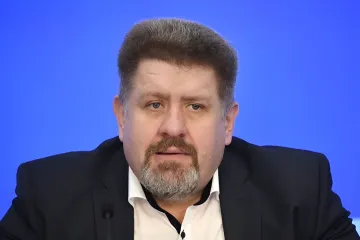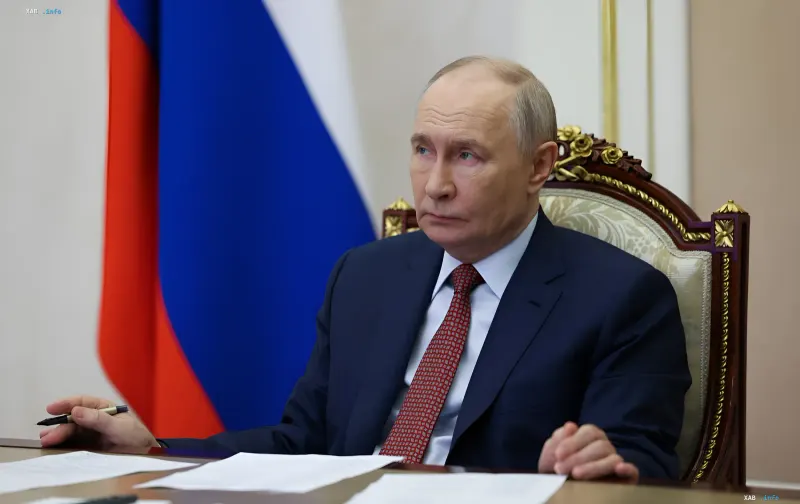
Amid a protracted conflict and the approaching elections in Russia, the question of Moscow's readiness for a new mobilization has become central to assessing future war scenarios. Vadym Skibitsky, Deputy Head of the Main Directorate of Intelligence of the Ministry of Defense of Ukraine, stated in an interview with RBC-Ukraine that the final decision to launch a new wave of mobilization will be made by Vladimir Putin only after the elections. However, according to the general, preparations for this process are already in full swing, and Ukrainian intelligence is recording relevant indicators.
Strategy of 'Ramping Up' Before Elections
According to Ukrainian intelligence data, the Kremlin is using the remaining time before the elections to conduct active offensive operations on those sections of the front where it is still possible. Skibitsky noted that a hidden mobilization is impossible to conduct under modern conditions, and Moscow is already prepared for it, relying on Putin's 2022 decree, which remains in force. The general reminded that the Russian military has experience conducting a partial mobilization, which began in October 2022, with the main combat units deployed by January 2023.
Manpower Crisis and the Plan for 409,000 People
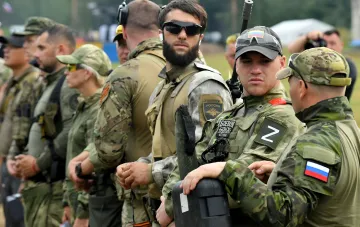
An important aspect of the current situation is the shortage of personnel. The Russian command is trying to form new divisions based on existing brigades but is facing a lack of people. The situation with the staffing of unmanned systems (UAS) forces is of particular concern. As Skibitsky reported, the recruitment plan for this sector is being fulfilled by only 30%, despite leadership expectations of a mass influx of students. As a result, Moscow is forced to take personnel from other branches of the armed forces, leading to a general failure of recruitment plans.
'Criminal Contingent' as a Resource for War
To implement the ambitious plan to recruit 409,000 people in 2026, the Kremlin has taken radical measures. A law was passed significantly reducing the list of crimes that prohibit signing a contract with the army. According to a GUR representative, only 'traitors to the motherland', pedophiles, and political convicts remain prohibited. All other categories, including murderers, rapists, members of organized criminal groups, and drug traffickers, can now legally sign contracts. To date, 28,000 people from this category have already signed contracts with the Russian military department.
Contradictory Data
There is a discrepancy in assessments of the current effectiveness of recruitment. On the one hand, Skibitsky claims that the recruitment of contract soldiers has 'slumped' and is at the level of 98%, but clarifies that this is the number of volunteers. On the other hand, he categorically states: 'There is no democracy there, everyone will go to the army.' This creates uncertainty regarding how voluntary the recruitment remains in reality and how quickly it could turn into forced conscription in the event of a decision on a new mobilization.