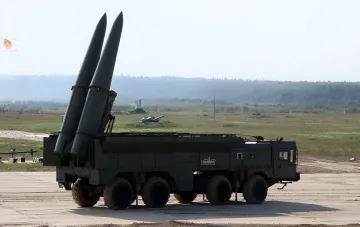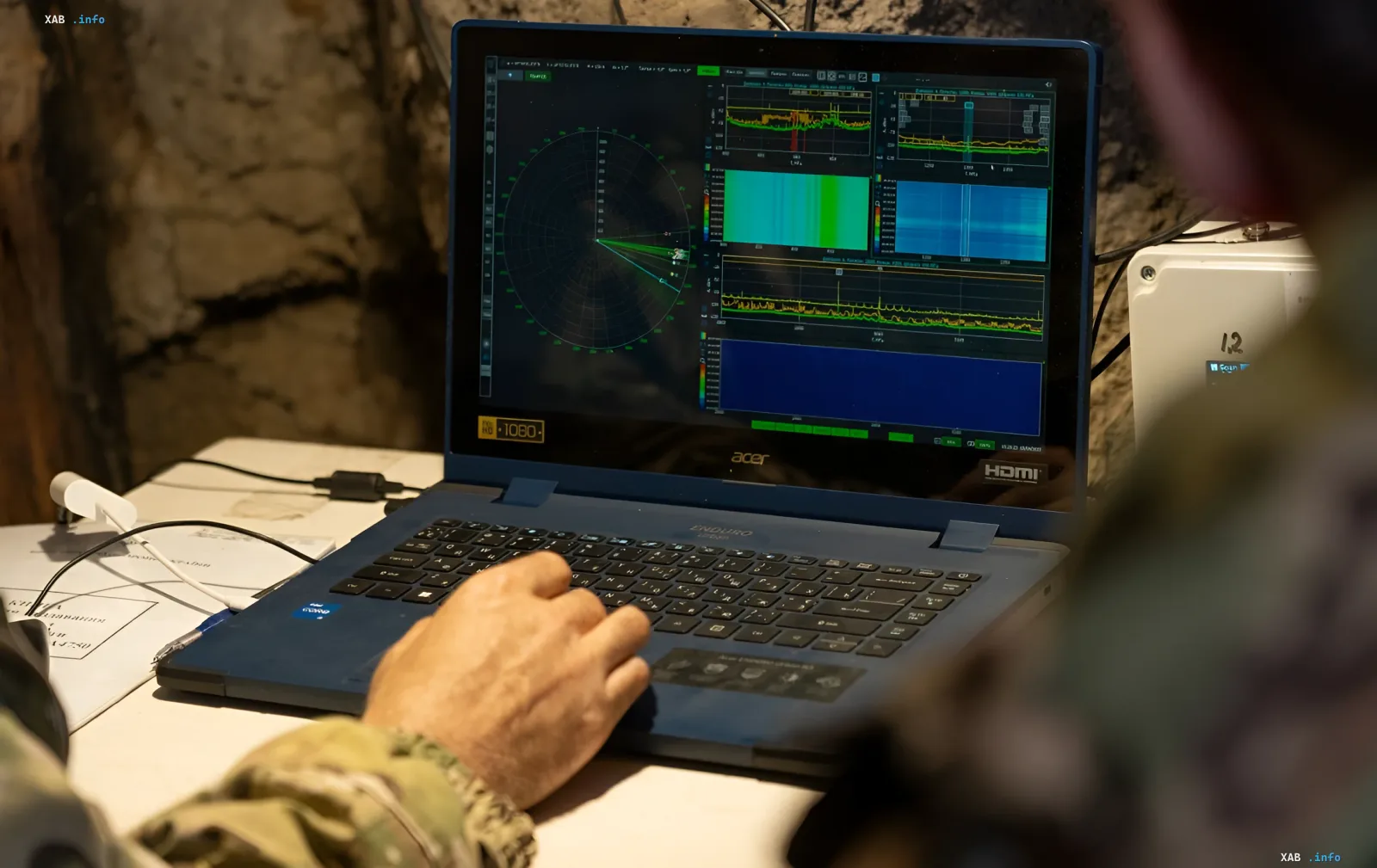
Discussions about the capabilities of modern electronic warfare (EW) systems often arise in the information space. A recent interview with the leadership of Kvertus prompted an important clarification of technical realities. The RBC-Ukraine editorial team made corrections to the material, clarifying that EW systems do not possess the physical characteristics to destroy ballistic missiles.
The technical essence of EW operation
According to official explanations from Kvertus, the operation of electronic warfare systems is based not on kinetic impact, but on manipulating information flows. Physically eliminating a ballistic missile using EW is impossible. These systems cannot shoot down munitions in the air.
The main task of such complexes is to affect the enemy's navigation systems. The mechanism of operation involves spoofing satellite signals. This allows influencing the weapon's electronic systems, specifically communication and navigation modules, provided certain technical conditions are met.
Spoofing vs. Jamming
The key method of affecting ballistic missiles is spoofing. This process differs fundamentally from standard electronic jamming. While jamming simply blocks a signal, spoofing replaces it with a false one.
The result of such substitution is a malfunction in the missile's onboard computer. The weapon deviates from its planned course, losing targeting accuracy, but continues its flight. Thus, EW does not destroy the target but disorients its control systems.
Correction of the publication
In the initial version of the interview with Kvertus CEO Yaroslav Filimonov, a headline was used containing an incorrect formulation about the ability of EW systems to "eliminate" ballistic missiles. The RBC-Ukraine editorial team acknowledged the error and changed the material's headline to align with the actual capabilities of the technology. The publication also issued an official apology to readers and the speaker for the inaccuracy.