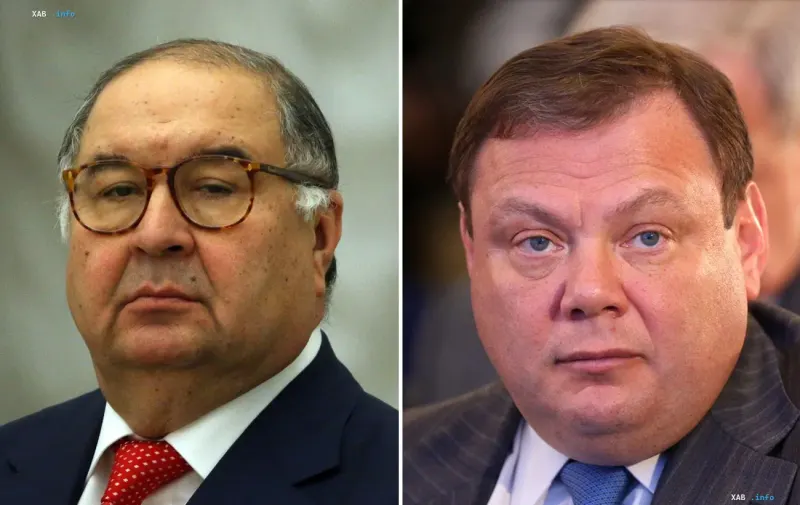
The Committee of Permanent Representatives of the European Union member states has agreed to remove Russian businessmen Alisher Usmanov and Mikhail Fridman from the EU sanctions list, while restrictions on the remaining roughly 3,000 individuals and entities are set to be extended for another three years. The decision, taken at committee level, triggered a sharp reaction in Kyiv, where it was seen as a signal of weakening pressure on Moscow amid the ongoing escalation of the conflict.
Zelensky's position: tightening, not easing
Ukrainian President Volodymyr Zelensky stated that, against the backdrop of Russia's escalation, Europe's response should be to tighten restrictions, not to lift them. "When Russia constantly demonstrates its drive to escalate the war, the answer should be tighter sanctions, not the opposite," he emphasized. The head of state also added that every person placed on the sanctions list ended up there for a reason and is a cause of the war having started and continuing.
Sybiha: the decision is "shameful and unjustified"
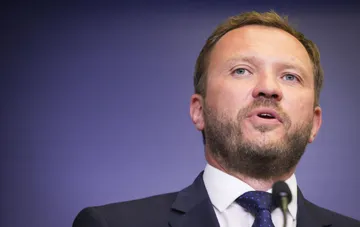
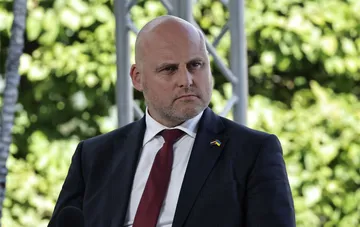
Ukrainian Foreign Minister Andrii Sybiha separately commented on the possible removal of Usmanov and Fridman from the list, calling it "shameful and unjustified." In his words, easing the restrictions could send Moscow a signal that sanctions pressure is gradually weakening, while the European leaders themselves, according to the Ukrainian diplomat, are "celebrating," having gained a sense of impunity and discord among Europeans.
An alternative scenario: national sanctions
At the same time, Sybiha proposed an alternative step for EU member states: if Usmanov and Fridman are indeed removed from the common EU list, individual countries should immediately impose their own national restrictions on them. "I call on all EU member states to immediately declare that they will impose their own national sanctions on these two individuals," the minister said. According to available information, Latvia is already ready to impose national sanctions on both businessmen, which could set a precedent for other countries in the bloc.
What this means for the EU's sanctions architecture
The agreement to remove two major Russian entrepreneurs, against the backdrop of extending restrictions on thousands of other individuals, has sparked a debate within the European Union over the consistency of its sanctions policy. Kyiv insists that lifting restrictions on specific individuals without compensation at the national level undermines the overall pressure effect and sends Moscow a signal of a gradual weakening of the regime. The final implementation of the decision, as well as how many EU countries will follow Sybiha's call and impose their own restrictions, will be a key indicator of how the EU will balance internal compromises with support for its sanctions course.