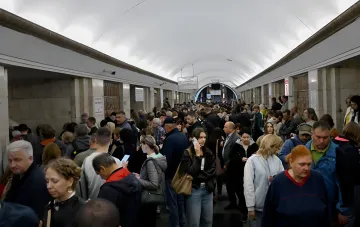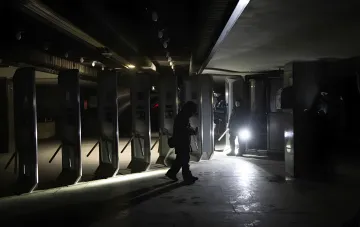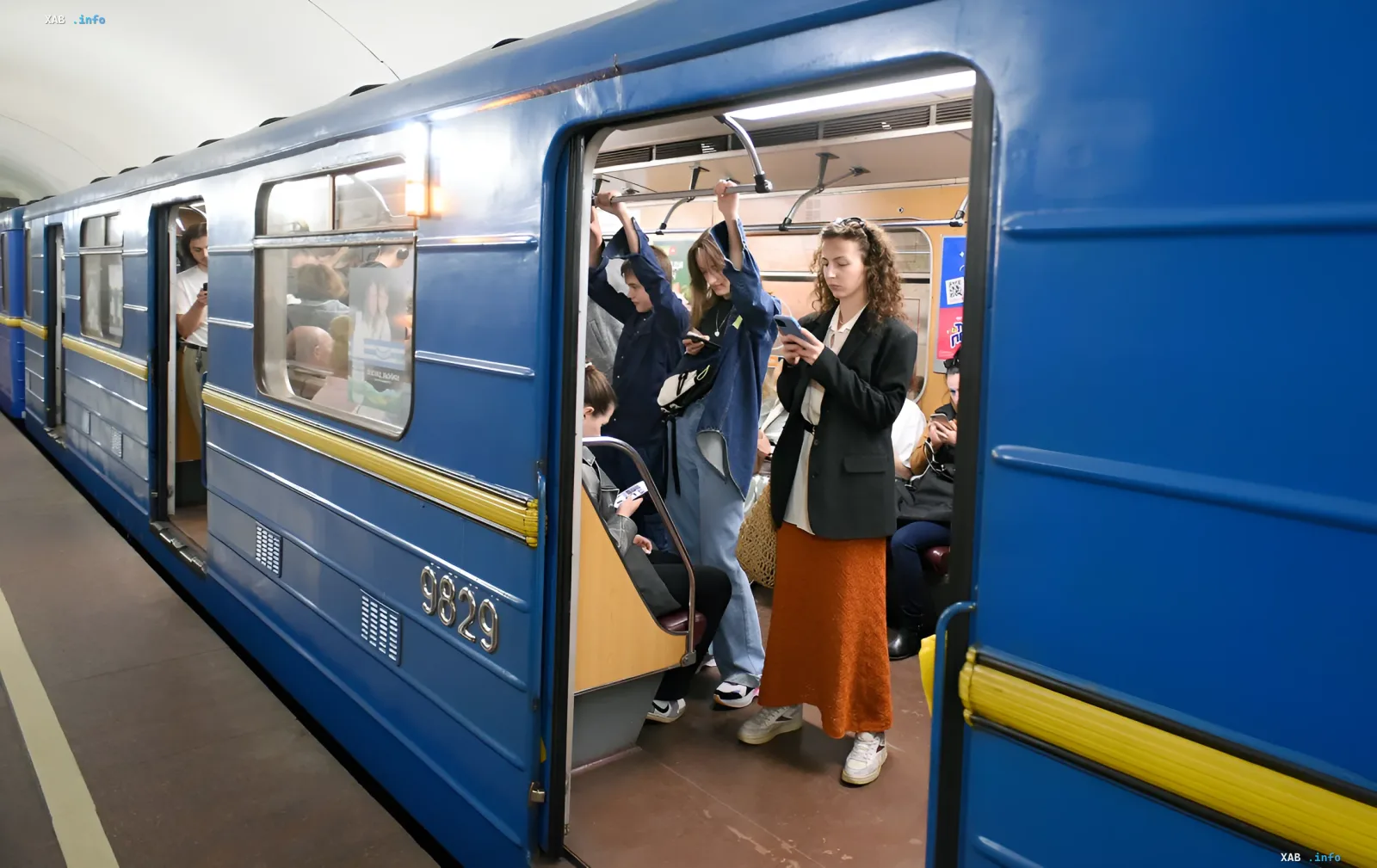
In September 2026, the Kyiv metro faced an unprecedented drop in passenger traffic. According to official enterprise data, the underground system carried almost a third fewer passengers compared to the same period last year, forcing experts to talk about a serious transformation of citizens' transport habits amid ongoing wartime and regular air threats.
Main Reasons for Passenger Traffic Decline
The primary factor triggering such a massive reduction in trips has been prolonged air raid alerts. Starting from August 2026, the Ukrainian capital has seen a trend toward longer siren durations. Because train movement on overground sections and open lines is temporarily suspended during large-scale threats, and stations often operate exclusively as shelters, using underground transport has become significantly more complicated.
Statistics and Financial Consequences of the Crisis
Official statistical figures clearly demonstrate the scale of the crisis: in September 2026, the Kyiv metro carried 14.25 million passengers. For comparison, in September 2025, this figure was 21.98 million people. Thus, the drop in passenger traffic over the year was approximately 35%. The metro management emphasizes that such a sharp contraction in transport volumes delivers a direct and substantial blow to the enterprise's financial revenues, which are formed primarily through ticket sales.
Contradictory Data
Against the backdrop of the transport crisis, the media space has actively discussed potential changes to station access rules. Media reports circulated information that city authorities were considering abolishing free entry to the metro during "yellow" level air raid alerts. Media sources claimed that certain officials were concerned that some citizens use the underground not as a genuine shelter from danger, but purely as free public transport.
However, the official metro management and city authorities refuted these rumors, stating that the enterprise has not yet received any official orders or instructions regarding the abolition of free entry during alerts. The issue remains under the control of the city administration, but the basic rules for passengers remain unchanged for now, despite the increased burden and economic losses.