The first six months of 2026 became a period of high strain on budgetary compensation mechanisms for Kyiv's transport system. According to official data from the Department of Transport Infrastructure of the Kyiv City State Administration (KCSA), city authorities allocated more than 366 million UAH to reimburse carriers. These funds were paid out for free and partially paid travel for preferential categories of citizens in the metro and ground transport.
Expenditure structure: Metro vs. Ground Transport
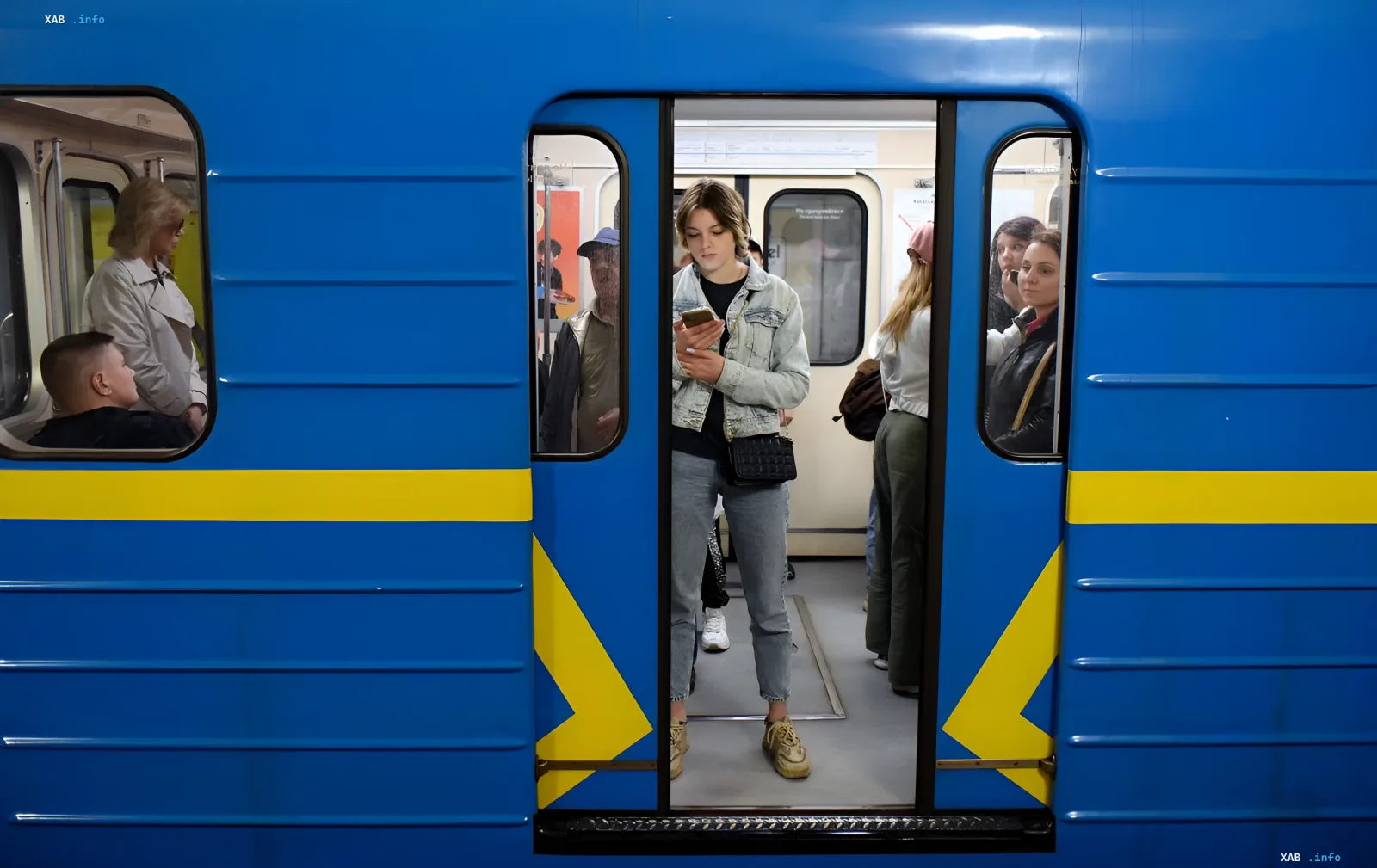
Statistical analysis shows an uneven distribution of passenger flow between transport modes. From January to June 2026, 33.2 million passengers entitled to benefits used the services of the Kyiv Metro. The city allocated 179.8 million UAH to compensate for these trips. This accounts for approximately 49% of the total compensation payments for the half-year.
At the same time, the municipal enterprise "Kyivpavtrans," which operates ground transport, carried significantly more beneficiaries — 73.4 million people. However, the financial burden on this segment turned out to be comparable: compensation payments amounted to 186.8 million UAH. Thus, despite the passenger flow in ground transport being more than double that of the metro, the cost of compensating for a single trip there is lower than in the metro.
Who uses benefits: Unique users and frequency of trips
It is important to note the difference between the total number of trips and the number of unique users. According to the Department of Social and Veteran Policy, 457,250 people used the right to preferential travel. This means that, on average, one beneficiary made more than 230 trips over six months, or about 4 trips per week. The high frequency of using preferential travel indicates that for a significant part of the population, this is the main mode of transport in the city.
Contradictory data
In the context of the growing burden on the budget, the question of the expediency of the current system arises. On the one hand, authorities emphasize that payments are made in strict accordance with the established procedure and are aimed at supporting socially vulnerable layers of the population. On the other hand, there is a growing public discussion about the need to limit benefits. In particular, a petition was registered in Kyiv calling for the introduction of a limit on free travel for pensioners. Initiators propose this as a way to reduce the burden on the transport system and indirectly reduce fares for other passengers.
Furthermore, there is a discrepancy in the perception of the "fairness" of fund distribution. Some experts point out that the compensation for a metro trip is higher than for a bus, which may stimulate the choice of a more expensive mode of transport even when alternatives exist. Others believe that the metro is a more efficient and eco-friendly mode of transport, and its support is justified.
Context of fare increases and future challenges
The growth in compensation payments is taking place against the backdrop of a general increase in the cost of travel. From July 15, 2026, the cost of a single ticket in municipal transport rose to 30 UAH, and marshrutkas announced a fare increase to 25 UAH. This creates additional pressure on the budget, as the difference between the fare for regular passengers and the zero fare for beneficiaries increases. Authorities have not yet announced changes in the compensation system, but the question of reviewing support mechanisms remains open.