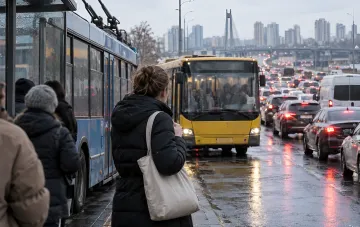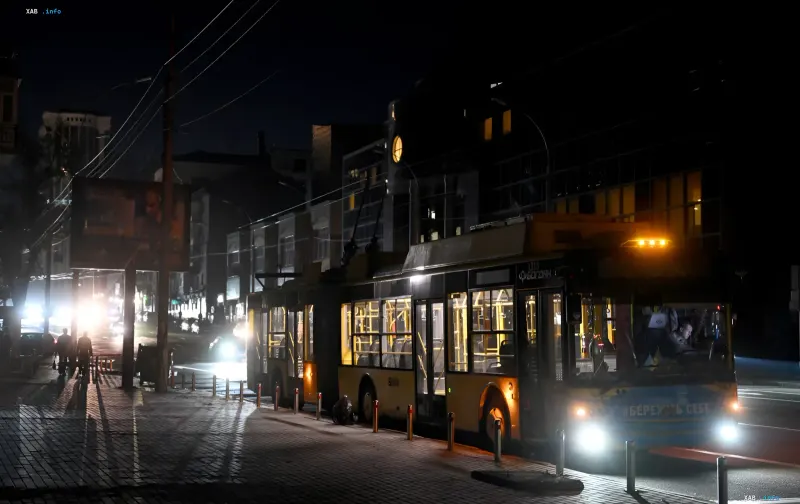
On the evening of November 3, 2026, the operation of trams and trolleybuses was temporarily suspended in Kyiv. According to the Kyiv City State Administration (KCMA) on Telegram, the decision was made due to a critical situation in the country's energy system caused by Russian attacks on energy infrastructure. Officials promised to resume surface electric transport operations only after the parameters of the power grid stabilize. Thus, the disruptions to the main surface electric transport of the capital added to the restrictions already in effect for the metro.
The Reason for the Stoppage Is the State of the Energy System
According to the KCMA, the direct cause for stopping trams and trolleybuses was a critical shortage of electricity in the grid. The administration emphasizes that service will be restored in stages and only after the energy system achieves stable indicators. This means that the timeline for restarting routes depends directly on the pace of restoring generation and electricity transmission, rather than on the carrier's decision. For passengers, this means that over the coming hours and nights, some familiar routes will be unavailable, and intervals on remaining directions may increase.
Alternative Buses: What Will Run and What Won't Be Enough
Municipal enterprise Kyivpastrans is organizing alternative bus routes in certain areas to partially replace the stopped trolleybuses. The KCMA explicitly warned that buses will not be able to fully compensate for the volume of electric transport operations: their number will be determined based on fuel availability, road conditions, and the overall load on the network. The schedule for replacement routes is promised to be published on the Kyivpastrans website. In practice, this means that queues and transfers are possible in the most congested areas, and some passengers will be forced to walk or use alternative transport.
Metro and Funicular: What Is Working Now
At the time of the announcements, the Kyiv Metro is operating normally, though the KCMA noted that its continued operation also depends on the situation in the energy system. This is important to consider, as on November 2, significant voltage fluctuations in the capital partially halted the metro, while tram traffic in some districts was stopped and the funicular was non-operational. Thus, on November 3, the city is effectively experiencing its second energy blackout of the week, hitting surface electric transport after problems affected the underground system the day before.
Context: From November 2 to Early October Strikes
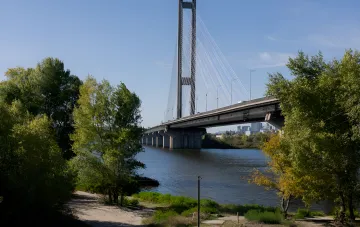
The disruptions in Kyiv's transport against the backdrop of November 3 are not an isolated incident. According to Ukrainian and Russian media reports, in early October, following strikes on bridge and energy infrastructure in Kyiv, the city's transport situation had already sharply deteriorated: restrictions were introduced on several crossings over the Dnipro River, multi-kilometer traffic jams formed between the left and right banks, some passengers were forced to continue on foot, and later reports indicated damage to the North Bridge and new disruptions in communication between the capital's districts. The events of November 2 and 3 logically fit into this chain: first, voltage fluctuations stopped the metro and some tram routes, and then a critical power shortage knocked out all surface electric transport.
What Passengers Should Do and What to Expect Next
Residents and guests of Kyiv are advised in the coming hours to check up-to-date information on route operations on the Kyivpastrans website and official KCMA channels, allow extra travel time, and postpone trips if possible. Officially, tram and trolleybus traffic will resume after the energy system stabilizes, while the metro currently operates normally but remains vulnerable to new voltage fluctuations. Until power is restored, the city is effectively switching to a mixed transportation scheme focusing on buses and the metro, which under current loads does not guarantee full coverage of familiar routes.