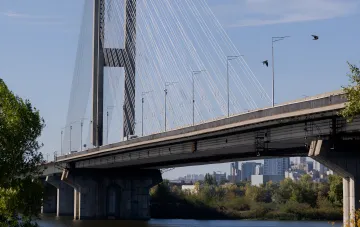
On the night of October 27, 2026, Russia launched two ballistic missile strikes on Kyiv. According to the Kyiv City State Administration (KCSA), the attack damaged the South Bridge and surface infrastructure of the metro system. In the Podilskyi district, a missile hit an administrative building. In the morning, the city shifted to a modified public transport operation mode: part of the metro operates on limited schedules, and bus routes have been rerouted to alternative crossings across the Dnipro.
Metro status: red line normal, green line in two separate sections
According to the morning update from the KCSA, the red metro line is operating at full capacity. On the green line, trains run only between the 'Syrets' and 'Vydubychi' stations — meaning without crossing the damaged South Bridge. This implies that passengers needing to travel between the right and left banks via the green line must use surface transport. During air raid alerts, all underground metro stations, including those temporarily not serviced by trains, function as shelters for residents.
Bus routes: 15 vehicles on temporary line and rerouting via Darnytskyi Bridge
Due to the closure of the South Bridge and increased pressure on the red metro line, the city launched a temporary bus route No. 1-M operated by 15 buses. In addition, regular routes No. 22 and No. 91, which previously crossed the South Bridge, have been rerouted via the Darnytskyi Bridge. The KCSA urges Kyiv residents to plan their trips in advance and track changes through the city's official resources. Further announcements regarding the full resumption of normal metro operations will be made.
Context of the attack: second strike on the South Bridge in a week
The South Bridge has been damaged for the second time in the past week. Following the October 22 attack, the green metro line also operated in two separate sections, and traffic across the bridge was restricted. Thus, within a matter of days, a key transport artery connecting the right and left banks of Kyiv has suffered repeated destruction. The previous evening, on October 26, missiles struck a university campus in the Desnianskyi district: one person was killed and at least ten others were injured. The overnight attack on October 27 is a continuation of a series of strikes targeting the capital's infrastructure.
What this means for residents and what comes next
For the daily lives of Kyiv residents, the situation means significantly longer travel times and the need for transfers between the metro and buses. Crossing from one side of the Dnipro to the other during peak hours will involve delays, especially on rerouted lines. The KCSA emphasizes that information on restoring service on the green line and the South Bridge will be published as it becomes available. In the meantime, the city operates in an emergency transport mode, and all underground stations remain open as shelters in case of recurrent air raid alerts.