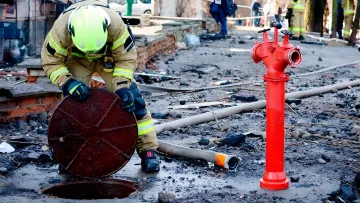
On the morning of November 21, 2026, severe water supply disruptions and a drop in network pressure were recorded in five districts of Kyiv amid massive challenges within the energy infrastructure. The issues affected the Holosiivskyi, Sviatoshynskyi, Solomianskyi, Shevchenkivskyi, and Podilskyi districts of the capital, where utility services urgently shifted to a mode addressing the aftermath of recent shelling. The situation is compounded by the nationwide introduction of hourly electricity shutdown schedules affecting both residential consumers and industrial enterprises.
Causes and Consequences of the Emergency in the Capital
According to city authorities and specialized agencies, the water supply disruptions were a direct consequence of recent attacks on critical infrastructure facilities. As a result of damage to energy assets and technical nodes of Kyivvodokanal, pressure in the water supply networks dropped across many residential neighborhoods. Tragically, the emergencies resulted in casualties among utility workers who were performing their duties at the facilities.
Repair crews are working around the clock to stabilize hydraulic pressure and restore normal water supply to residents' homes. The authorities remind residents of the affected areas of the opportunity to use municipal pump rooms to collect drinking water, the addresses of which are published on the official resource of the Kyivvodfond municipal enterprise.
Energy Crisis and Shutdown Schedules
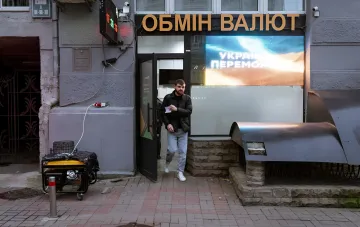
Parallel to the water supply problems, the Ukrainian capital and regions faced strict electricity consumption limits. On Saturday, November 21, scheduled power outage schedules ranging from 1.5 to 3 queues are in effect across the country for residential and industrial consumers. Distribution system operators urge citizens to check current restriction hours in advance on the official pages ofoblenergo.
Energy engineers emphasize that balancing the power system remains a critically important measure to prevent systemic accidents. Capacity restrictions for industry and hourly schedules for the population help maintain grid stability amid an acute generation deficit caused by equipment damage.
Significance of Events and Future Prospects
The current crisis demonstrates the high vulnerability of urban infrastructure in the face of ongoing shelling and loads on the energy sector. The speed of water supply restoration and the stability of electricity supply depend both on the speed of repair work by specialized services and on the general dynamics of generation recovery. In the coming days, utility services will continue to operate in an enhanced mode, and residents are advised to follow official announcements from local authorities and operational headquarters.