Launch Failure: Rocket Explodes in First Minutes of Flight
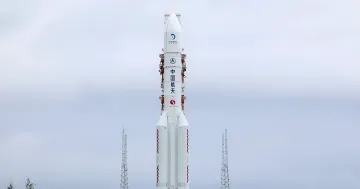
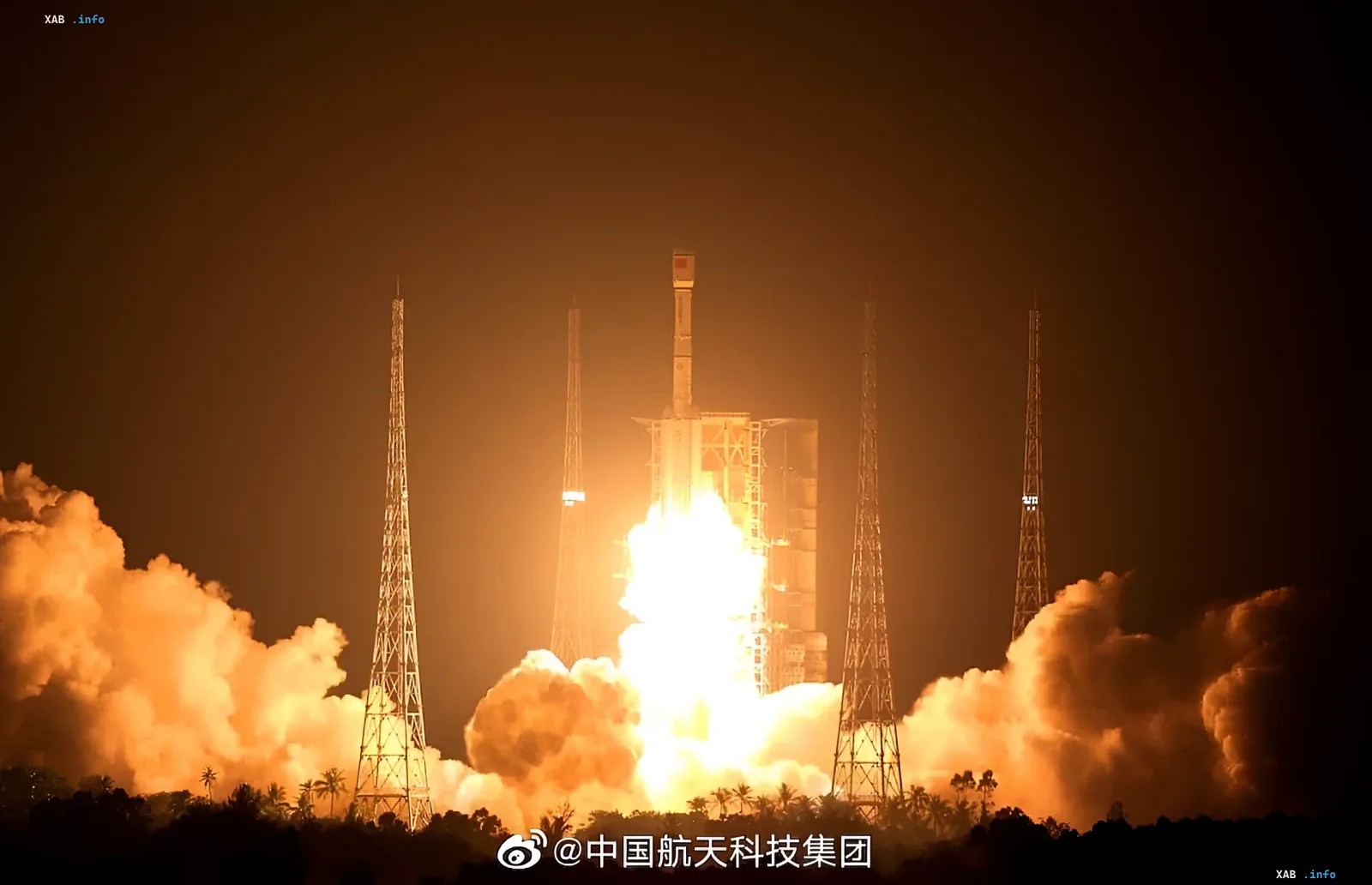
August 10, 2026, marked a day when China's space program encountered one of the most serious failures of the current year. The Long March 7A carrier rocket, launched from the Wenchang Spacecraft Launch Site in southern China, exploded just 1 minute and 25 seconds after liftoff. The incident occurred during the operation of the rocket's first stage, leading to a complete loss of trajectory and the inability to complete the mission. The payload was not placed into the intended orbit, dealing a serious blow to Chinese spaceflight plans.
The explosion was accompanied by a massive fireball and clouds of smoke, visible even at a significant distance from the launch site. Witnesses described the event as a "catastrophic failure" that occurred almost immediately after the rocket separated from the launch platform. Although the exact causes of the accident have not yet been revealed, experts speculate that the problem may have arisen in the control system or the engines of the first stage.
Consequences for China's Space Program
This accident is the second major failure for China in 2026. The previous incident occurred in April, when a disaster also happened during a rocket launch. A series of such incidents raises serious concerns regarding the stability and reliability of China's space program. Experts note that such failures could slow down the pace of space technology development in the country and affect the execution of long-term plans, including the construction of a space station and lunar missions.
The Chinese side traditionally provides a limited amount of information about failed launches, which makes analyzing the causes of accidents difficult. However, specialists believe that a series of incidents will force Chinese engineers to reconsider approaches to ensuring the safety and reliability of rocket technologies. This could lead to a temporary suspension of some projects and an increase in costs for modernizing existing systems.
Contradictory Data
While China's official position remains restrained, independent sources and experts offer various versions of the causes of the accident. Some specialists point to possible problems with the quality of components used in rockets, while others suggest that the incident may have been caused by errors in the control system software. There are also opinions that the series of failures may be linked to the acceleration of the pace of developing new technologies without sufficient testing.
Official representatives of the China National Space Administration have not yet provided a detailed report on the causes of the explosion, limiting themselves to general statements about conducting an investigation. This creates grounds for various speculations and guesses, which exacerbates the situation and causes additional concern within the international community.
International Context and Reaction
The Long March 7A rocket accident occurs against the backdrop of intensifying competition in space between leading world powers. The USA, Russia, and other countries are actively developing their space programs, and any failures by China may be perceived as a signal of weakness in its technological potential. At the same time, Chinese authorities strive to maintain an image as a leader in the field of space technologies, making such incidents particularly sensitive.
The international community is closely monitoring the development of the situation, awaiting a detailed report on the causes of the accident. Experts note that transparency in such matters is important not only for the trust of partners but also for ensuring safety in space. Any errors can have far-reaching consequences, including the risk of orbital collisions and the loss of expensive satellites.