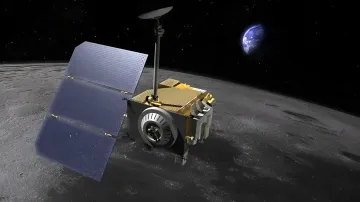
The space era is entering a new phase. If lunar flights were previously perceived as one-off demonstrations of power, today humanity is preparing the ground for a permanent presence on our natural satellite. At the center of attention is NASA's ambitious plan to create a permanent base by 2030. However, as Clive Neal, a geologist with 40 years of experience, notes, behind these dates lies a shift in the very philosophy of space exploration.
From Flags to Foundations
The strategy is changing radically. Instead of episodic missions aimed at planting a flag and returning, the global community is moving towards a systematic establishment. Every flight is now viewed as a foundation for the next step. The ultimate goal of this "ladder" is to prepare for expeditions to Mars. The lunar base will become not just a point on the map, but a testbed for developing survival technologies in extreme conditions.
The Economics of Lunar Soil
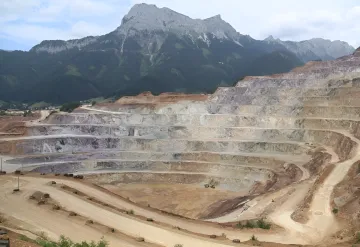
Interest in the Moon is dictated not only by scientific ambitions but also by pragmatic economic calculations. Our satellite is viewed as a strategic source of valuable materials capable of ensuring a technological leap on Earth. Although the exact profitability of mining still requires assessment, the potential itself is already changing the landscape of the global economy.
Among the key resources researchers are betting on:
- Helium-3 — a prospective fuel for fusion reactors.
- Rare earth metals necessary for modern microelectronics.
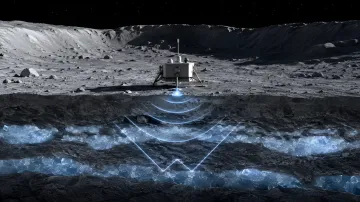
- Hydrogen and oxygen, which can be extracted from water ice to produce rocket fuel.
Technological Driver
The most important aspect of the lunar program lies in the realm of technological development. History knows many examples where space research became a catalyst for innovation on Earth. Just recall the Apollo program, which gave the world the miniaturization of electronics — the basis of modern smartphones.
Today, the focus is shifting to environmental sustainability and efficiency. Creating a lunar outpost requires solving the most complex engineering tasks:
- Finding ideal locations with constant access to sunlight.
- Ensuring the safety of landing sites.
- Developing autonomous power supply systems.
Each of these solutions will become humanity's intellectual property, finding application in terrestrial industries.
Private Capital and New Horizons
Exploring the Moon is ceasing to be the exclusive prerogative of states. The formation of infrastructure creates room for expansion, which will become a powerful driver for private investment. Ultimately, having learned to live and work effectively in conditions of low gravity and extreme cold, humanity will gain knowledge capable of radically improving the quality of life on Earth.
At the same time, the political context remains tense. It was previously reported that Donald Trump's plans to "capture" the Moon and launch a new mission encountered serious obstacles and were on the verge of failure due to technical catastrophes. This only underscores the complexity of the tasks facing space agencies and the importance of international cooperation in realizing lunar ambitions.