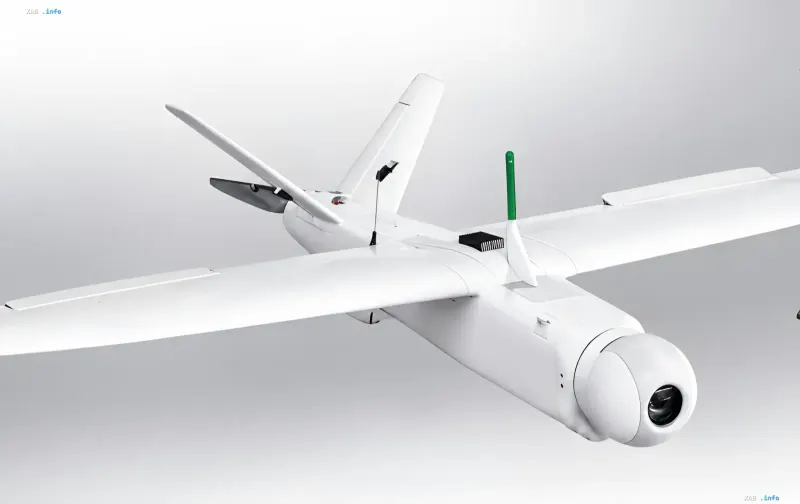
Artificial intelligence and machine vision technologies have firmly established themselves in the field of reconnaissance drones, acting as a reliable safety net for crews. According to Vladyslav, project manager for the 'Babka' reconnaissance UAV at TAF Industries, modern algorithms automatically highlight potentially hazardous objects, equipment, and camouflaged enemy positions on video feeds, significantly reducing the physical and psychological burden on operators.
Crew Tasks and Real-Time Data Analysis
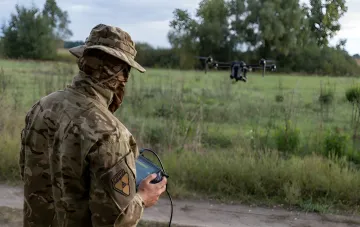
Experienced reconnaissance drone crews spend months flying over their assigned zones of responsibility, thoroughly studying every kilometer of the terrain. The main task during a flight is to visually compare the current picture with data from previous missions to detect the slightest changes. Operators look for fresh tracks from caterpillar or wheeled vehicles, newly dug trenches, foxholes, or changes in the natural landscape that indicate enemy activity.
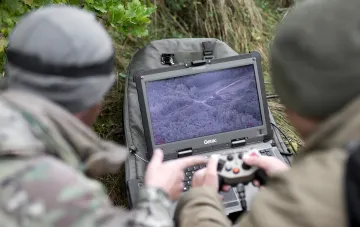
The information received from the onboard video streams is promptly transmitted to command posts, where analysts additionally review the materials if front-line operators experience fatigue. This multi-level approach helps eliminate the human factor and minimize errors when decrypting intelligence data by comparing it with other information sources at a strategic level.
The Role of Artificial Intelligence at Tactical and Strategic Levels
The introduction of artificial intelligence elements makes it possible to automate the initial processing of huge arrays of visual information coming from onboard cameras. Algorithms can recognize the silhouettes of military equipment and camouflaged positions, highlighting them on operators' screens in real time. This is especially important in high-intensity combat conditions, when operators experience tremendous fatigue from constantly monitoring screens.
At the strategic level, video materials from various drones flow into centralized servers for in-depth analysis. Special software modules process gigantic volumes of data, tracking enemy convoy movements, logistics routes, and overall movement dynamics. The resulting analytical insights are used by command to identify hidden patterns and make global tactical decisions on the battlefield.
Features of Day and Night Aerial Reconnaissance
The effectiveness of reconnaissance drones directly depends on the time of day, weather conditions, and onboard equipment. During the day, operators face the need to analyze a colossal array of visual details of a complex landscape, but skillfully executed camouflage using nets or terrain folds can greatly hinder visual object detection.
In the dark, working conditions change dramatically, as reconnaissance is conducted primarily using thermal imaging cameras. The number of small visual details decreases, but any object emitting heat—a working engine, a dugout, or a concentration of personnel—becomes contrasting and easily readable against the background of the cooled earth. Due to the cheaper and wider availability of quality night cameras, the overall effectiveness of night sorties has increased significantly.
The Importance of Unmanned Systems Development and New Technological Steps
The integration of machine vision systems and artificial intelligence into reconnaissance aviation marks a qualitative leap in the evolution of unmanned technology. Reducing the cognitive load on crews directly affects decision-making speed and the overall survival rate of front-line units. The ability to automatically detect targets accelerates the 'reconnaissance-strike' cycle, which is critically important in modern realities.
The Ukrainian defense industry continues to actively expand its line of specialized UAVs. In late September, Vyriy Industries presented a new tactical reconnaissance drone, Slavic, designed for tasks at ranges up to 30 kilometers and flight durations of up to one and a half hours. The emergence of such platforms, combined with intelligent software, strengthens aerial reconnaissance potential and increases the overall situational awareness of the defense forces.