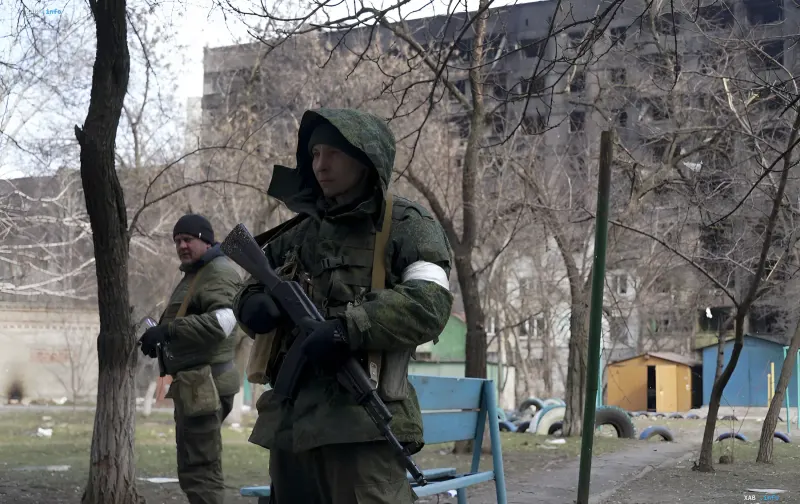
The Russian occupation authorities in Mariupol intend to distribute the apartments of residents who were forced to flee the city due to hostilities among participants in the so-called "special military operation." This is reported by RBC-Ukraine with reference to data from the Mariupol City Council. According to available information, potential new tenants include Russian military personnel and security officials.
Housing Redistribution Mechanism
According to the head of the so-called "DPR" Denis Pushilin, apartments that the occupation authorities label as "ownerless" are included in the municipalities' maneuverable housing fund. After this, they are distributed among various categories of the population. Thus, formally, the mechanism entails that the property first undergoes a procedure to be declared ownerless and is then transferred to the municipal fund for subsequent distribution.
Assessment by Ukrainian Authorities
The Mariupol City Council views these actions as the misappropriation of property belonging to Ukrainian citizens who, as a result of Russian aggression, were forced to leave their homes. Head of the Mariupol Military Administration Vadym Boichenko explained the mechanism: "First, the occupation authorities, through illegal court decisions, declare apartments 'ownerless', and then transfer them to the municipal housing fund for further distribution among the occupiers." According to him, this concerns the apartments of people who might still return to the city.
Threat of Housing Loss for Displaced Persons
Thus, residents of Mariupol who left the city due to war and occupation risk losing their homes. The apartments they lived in before the outbreak of hostilities may be given to those fighting against Ukraine. This creates an additional threat for those who, in the event of an end to hostilities, plan to return to their hometown only to find their housing occupied by others.
Previous Precedents and Preferential Mortgage Program
Previously, the occupation authorities in Mariupol already transferred 20 local residents' apartments into Russian federal ownership. Moreover, the occupation authorities are actively handing out housing built on the sites of destroyed houses: apartments in new buildings are offered to Russian military personnel, security officials, and bureaucrats. To acquire such housing, the occupiers are offered a preferential mortgage with a rate of 2% per annum; however, only those with Russian citizenship can take advantage of it. This essentially creates an additional incentive for obtaining a Russian passport and solidifying the population in the occupied territory.