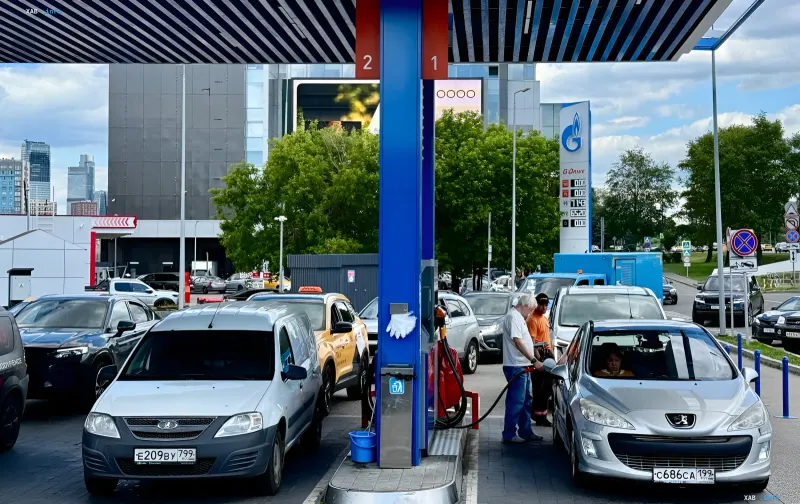
The Russian fuel market is experiencing an unprecedented crisis, the consequences of which have become palpable for small and medium-sized businesses. According to data from the last month, the number of listings for the sale of gas stations (GS) exceeded 150. The list of lots includes both single stations in the regions and assets previously owned by major industry players. The cost of offers ranges from 1 million to 150 million rubles, and in some cases, owners are trying to sell entire networks of stations at once.
Economic dead end for independent players
The reason for the mass outflow of assets lies in structural changes in the market. Independent gas stations found themselves in a critical situation due to a sharp spike in fuel prices. Unlike major oil companies, which primarily supply their own networks, independent players are forced to purchase gasoline and diesel at inflated exchange rates or through intermediaries. Business margins are plummeting, making further operation of stations unprofitable.
As of the beginning of the year, there were about 27,700 gas stations operating in Russia. The vast majority of them — almost 19,840 — were independent. It is this segment that is currently bearing the main losses, lacking access to the resources of vertically integrated corporations.
Consequences of strikes on refineries
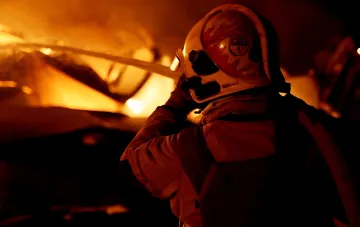
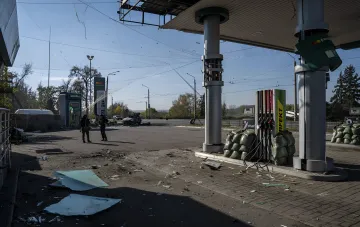
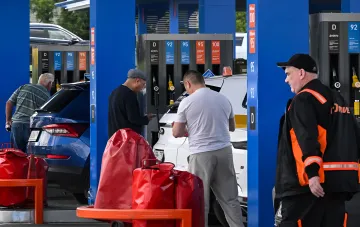
The roots of the current deficit go back to July, when Ukraine launched powerful drone strikes against oil refineries (OR) in Russia. These attacks disrupted logistics and production, leading to a shortage of oil products. In a number of regions, supply interruptions are recorded, and kilometer-long queues regularly form at gas stations. Drivers report that waiting for fuel can last up to 10 hours.
The scale of the problem was even acknowledged by the President of Russia, Vladimir Putin. At a public event, he confirmed that Ukrainian drone strikes caused "certain problems with oil products" in the country. The acuteness of the situation has reached the point where, according to reports, the Kremlin is negotiating with India for additional supplies of gasoline to cover the domestic deficit.
Financial outflow and business closures
Against the backdrop of instability and falling revenues, businessmen are not only closing gas stations but also making decisions to withdraw capital. The publication RBC-Ukraine previously reported that Russian billionaires began urgently withdrawing money from the country, fearing a further collapse of the economy and devaluation of assets. The mass liquidation of gas stations may be just the beginning of a wave of bankruptcies in related industries dependent on the availability and price of fuel.