Unprecedented Concentration of Forces: 400 Aircraft in the Air
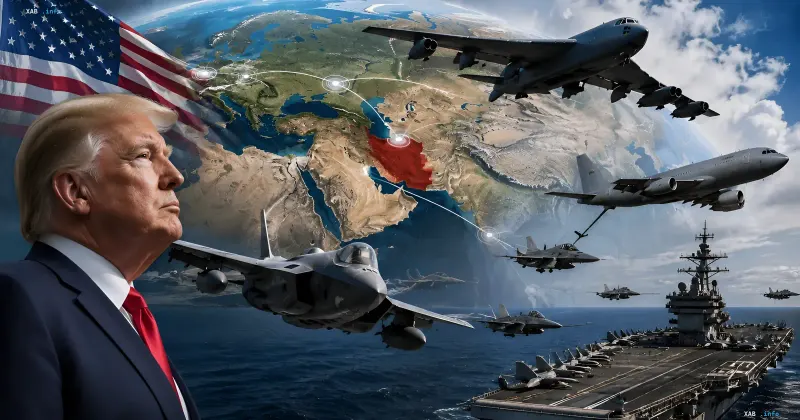
As of August 16, 2026, the United States of America has carried out an unprecedented demonstration of military might in the Middle East region. According to data obtained from open sources and confirmed by analysts, Washington has deployed more than 400 military aircraft in the airspace surrounding Iran. This operation covers territory from European bases to the coast of the Indian Ocean, creating a dense ring of control over air corridors.
As reported by VietnamPlus, this concentration of forces is aimed at maintaining high combat readiness and deterring potential threats. The deployed forces include strategic bombers, interceptor fighters, and reconnaissance aircraft capable of operating autonomously or as part of formations. Such a large-scale operation testifies to the seriousness of US intentions and their readiness to respond quickly to any changes in the region.
Strategic Significance of the Strait of Hormuz
Simultaneously with the buildup of military presence in the air, significant events are also taking place on the diplomatic front. Iran and Oman have reached an agreement on maritime routes in the Strait of Hormuz, one of the key nodes of global oil and gas trade. This agreement, reached amid a tense geopolitical situation, is aimed at ensuring shipping safety and preventing incidents that could lead to disruptions in energy supplies.
The agreement between Iran and Oman is an important step towards stabilizing the situation in the region, although its implementation will depend on many factors, including international pressure and internal political processes in both countries. Nevertheless, the very fact of reaching an agreement testifies to the parties' willingness to dialogue and seek compromise solutions.
Contradictory Data on Operation Objectives
Despite the official statement regarding deterrence, there are various versions of the objectives of deploying 400 aircraft around Iran. Some analysts believe this is a preventive measure aimed at preventing possible aggression by Iran or its allies. Others believe that the operation has a broader context and is related to internal political processes in the US, where the administration seeks to demonstrate its determination and strength ahead of upcoming elections.
Furthermore, some experts point out that the concentration of forces may be a reaction to recent events in the region, such as the escalation of the conflict between Russia and Ukraine, where hundreds of unmanned aerial vehicles were neutralized by both sides. This creates an additional background for assessing US actions and their impact on global security.
Impact on Global Security
The deployment of 400 military aircraft around Iran has significant consequences for global security. First, this sets a precedent for other countries that may follow the US example and begin to increase their military presence in strategically important regions. Second, such a concentration of forces could provoke retaliatory measures by Iran and its allies, leading to an escalation of tension and an increased risk of military conflict.
At the same time, the operation may have positive aspects, such as strengthened control over airspace and the prevention of illegal activities, including smuggling and terrorism. However, to achieve long-term stability, not only military presence is necessary, but also diplomatic efforts aimed at resolving the root causes of conflicts in the region.