By the end of 2026, meat prices in Ukraine are expected to maintain an upward trend, according to analysts, with pork being the most notable driver of price increases. This was reported by RBC-Ukraine, citing Maksym Hopska, head of the analytical department of the Ukrainian Agribusiness Club. According to him, purchase prices for live pigs have risen over recent weeks compared to the end of July, and this trend is already clearly visible in the retail prices of pork.
Pork: the main driver of growth
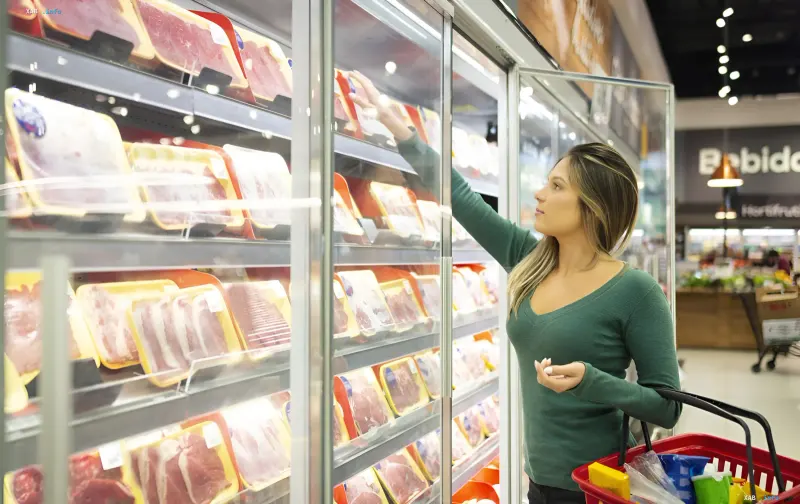
Currently, in Ukrainian stores, pork breast costs an average of 214.11 hryvnias per kilogram, while pork neck is 349.92 hryvnias. At the same time, according to Hopska's assessment, there is no basis for a sharp spike in pork prices: "The market is currently moving up gradually, with no grounds for a sudden jump. Prices are influenced by the supply of live animals, demand from processors, and producers' costs." In other words, the growth is cumulative and is shaped by several factors at once — from the cost of live weight to meat-processing expenses.
Beef and chicken: limited supply and following the market
The situation in the beef market is somewhat different: the analyst names limited livestock supply as the key factor, and additionally, prices are under pressure from demand on the part of exporters. The average price of beef in supermarkets is currently 437.63 hryvnias per kilogram. The expert does not forecast a sharp spike in chicken prices, but expects it to gradually rise along with pork and beef: "When the overall cost of meat products grows, this gradually reflects on chicken as well." At present, the average price of chicken fillet is 219.33 hryvnias per kilogram, while whole carcasses are around 110 hryvnias per kilogram.
The broader picture: no single trend of price increases across all products
It is important to note that meat is neither the only nor a universal story of growth. In August 2026, food prices overall fell by 1.3%, including vegetables by 18.3% and fruits by 12%, against the backdrop of active arrivals of the new harvest. At the same time, from January to August 2026, food prices rose by an average of 7.8% compared to the same period of the previous year. Thus, according to Hopska's forecast, meat will remain one of the categories supporting the growth of the food basket cost until the end of the year, but against the backdrop of seasonal price declines in vegetables and fruits.
Contradictory data
There is a discrepancy among experts and media in the pace of the expected price increase. On the one hand, Maksym Hopska (RBC-Ukraine) explicitly points to a smooth, gradual growth with no grounds for a sharp spike. On the other hand, publications in business and news outlets (Delo, UNIAN) emphasize that pork imports no longer curb price increases, and that "popular meat could rise sharply in price," indicating a risk of a faster price hike. Thus, the parties agree on the direction of the trend (growth) but differ on its speed: from a managed increase to a potential acceleration against the backdrop of a shortage of imported raw materials and rising costs.
What's next: oil and dairy
In addition to meat, prices for sunflower oil are expected to stabilize by the end of the year (currently around 99 hryvnias per liter) with the arrival of the new sunflower harvest, without any significant price decline. Dairy products, by contrast, will begin to gradually rise in price in the autumn due to the seasonal reduction in raw milk production, and could increase by 5–10% by the end of the year. Taken together, these factors confirm that the meat and dairy categories will remain among the main drivers of food basket growth in the second half of 2026.