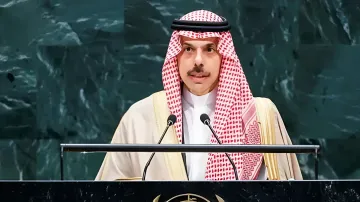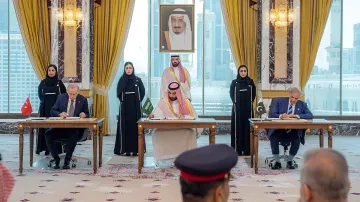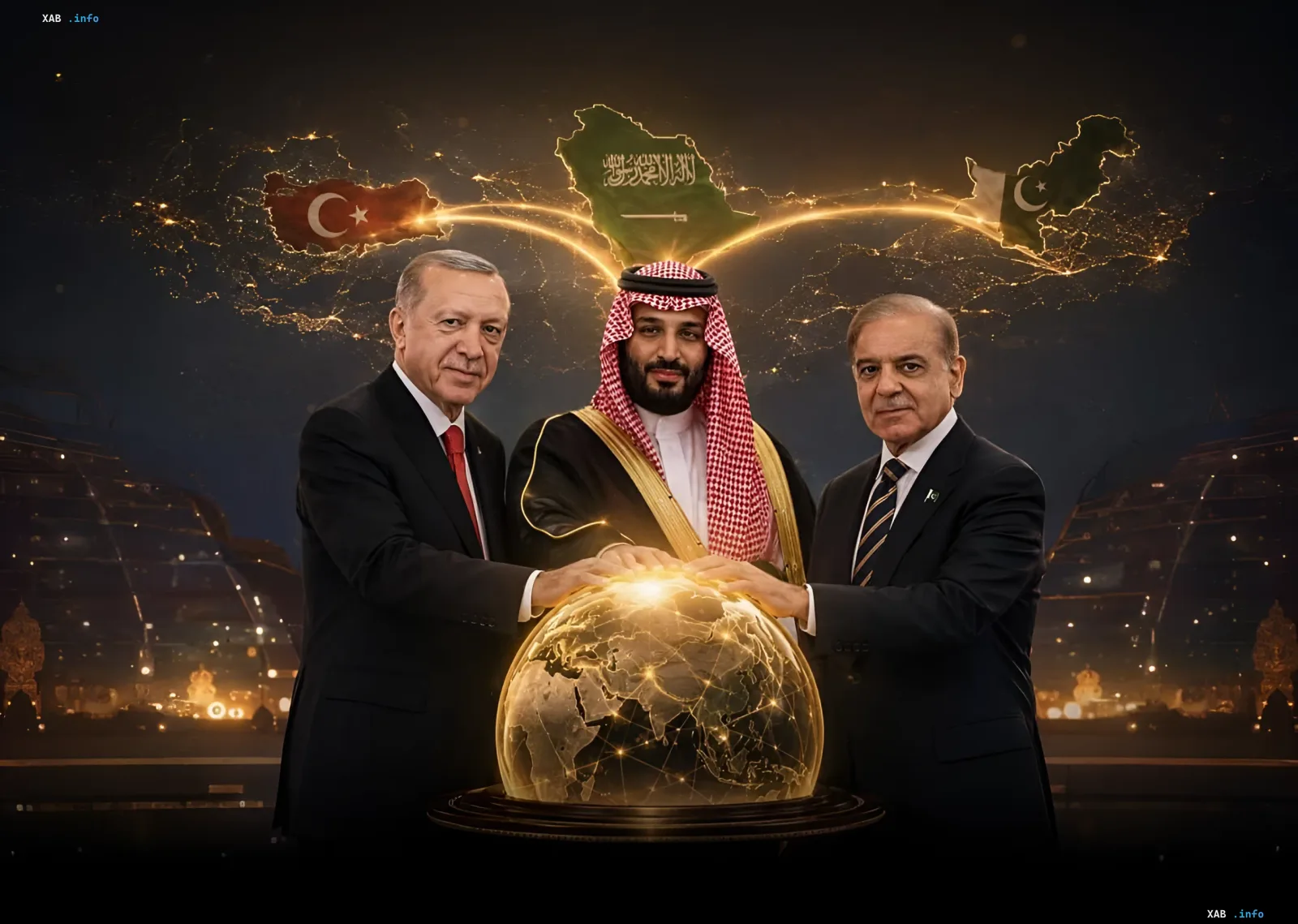
In a world where geopolitical alliances shift faster than exchange rates, August 7, 2026, marked the day the Middle East received a new security architecture. While Western analysts were still trying to make sense of the consequences of the collapse of old blocs, a historic event occurred in the region: Turkey, Saudi Arabia, and Pakistan officially signed a trilateral defense treaty known as the «Meccan Agreement». This event, which experts call «Sunni NATO», radically alters the balance of power in the confrontation with Iran and its allies.
New Order: From Bilateral Ties to the «Iron Triangle»
The signing of the treaty was the culmination of a process that began back in September 2025. It was then that Saudi Arabia and Pakistan concluded a bilateral pact containing wording identical to Article 5 of the NATO charter: an attack on one state is considered aggression against both. Now, with Turkey joining this alliance, regional cooperation has transformed into a full-fledged military bloc. Turkish Foreign Minister Hakan Fidan, speaking to journalists after the signing ceremony, stated that this step is aimed at creating an «independent center of gravity» capable of guaranteeing stability in the region without regard to fluctuations in Washington's policy.
Strategic Significance: Why the Houthis and Tehran are in Shock
The reaction of the «Axis of Resistance» was swift. Iranian media and Houthi (Ansar Allah) Telegram channels began talking about «inevitable isolation» and an «existential threat». This is not just rhetoric. The combination of the second-largest NATO army (Turkey), the main financial donor of the Sunni world (Saudi Arabia), and the only Islamic nuclear power (Pakistan) creates an unprecedented potential. For the Houthis, this means that their operations in the Red Sea and Yemen may now be met with a coordinated response from three powers possessing a full spectrum of weaponry — from high-precision missiles to nuclear deterrence. Experts note that this alliance is designed not only to contain Iran but also to counter Israel's aggressive policy, creating a balance of power that will dictate the rules of the game in the region.
Contradictory Data: Fake or Reality?
Despite the official signing, contradictory versions continue to circulate in the information space. Some sources, including certain Iranian media, claim that the term «Meccan Agreement» is a fabrication designed to intimidate the enemy, and that the actual document bears a different name. Other experts, citing early statements by Turkish officials, point out that negotiations lasted about a year, and a final consensus was reached only recently. At the same time, official representatives of Ankara and Riyadh confirm the fact of the treaty's conclusion but urge not to exaggerate its scale, calling it «broad regional cooperation» rather than a narrow military bloc. These discrepancies create room for speculation, yet the fact of signing a document containing clauses on collective defense is beyond doubt.
Future of the Alliance: Expansion and Challenges
The prospects of the «Meccan Agreement» extend far beyond the current three participants. Turkey has already expressed its intention to expand the platform by inviting Egypt and possibly other regional countries. This could lead to the formation of a powerful Sunni bloc capable of competing with global players. However, the alliance also faces internal challenges: differences in political systems, economic interests, and historical grievances could become stumbling blocks. Nevertheless, in the context of growing instability in the Middle East and the unpredictability of US foreign policy, the creation of such an alliance appears to be a logical step towards ensuring regional security. As one analyst noted, «this is not just a military bloc; it is a new geopolitical reality in which the Middle East will no longer play by rules imposed from the outside».