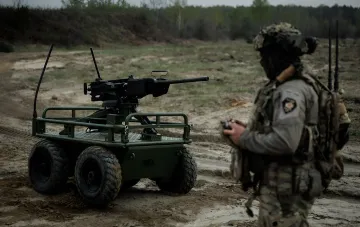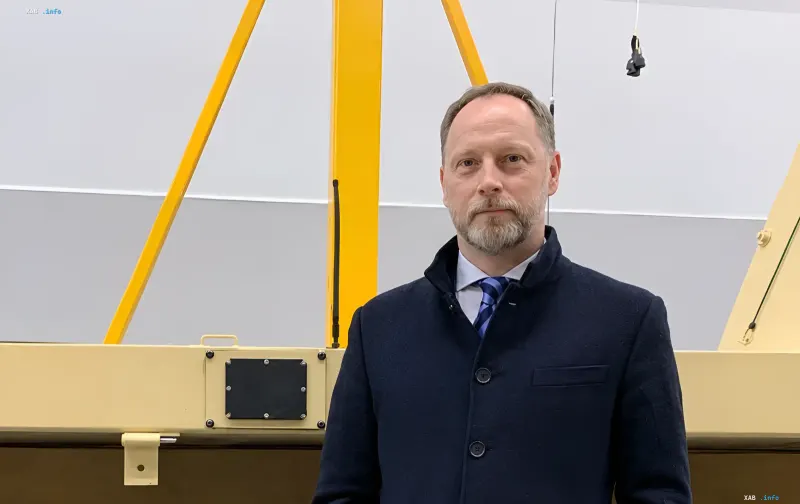
In August 2026, a fire broke out at the plant of the Estonian company Milrem Robotics in Tallinn, where, among other things, TheMIS unmanned ground vehicles are produced, including batches for Ukraine. On September 29, Estonian authorities classified the incident as arson ordered by Russian intelligence services and reported the detention in Latvia of individuals who, according to them, were behind the act. Russia denies its involvement. In a conversation with RBC-Ukraine, Raul Rikk, Capacity Development Director at Milrem Robotics, explained how the company assesses the incident's impact on production, whether it is maintaining delivery schedules, and what European defense manufacturers are learning from their Ukrainian colleagues.
The company's stance on the investigation
When asked directly about the progress of the investigation, Rikk replied that the company has “simply nothing” to add: the investigation is being conducted by government authorities who will announce the results, while Milrem Robotics is an affected party cooperating with them by providing all requested information. According to him, Estonian authorities have already announced the detention of the organizers in Latvia and voiced the result, so there are no additions from the victimized company. The only thing the company is ready to confirm publicly is that the fire did not affect current obligations to customers.
Production and deliveries to Ukraine
The interview mentions a plan to deliver over 150 machines to Ukraine by the end of 2026. Commenting on whether this deadline has shifted by even a few weeks, Rikk did not provide exact numbers but emphasized that the company is capable of fulfilling all obligations to customers and “nothing will be delayed.” Thus, the public position of Milrem Robotics is that production facilities and logistics have been restored to a volume sufficient to adhere to schedules, including Ukrainian contracts.
Risk assessment and security strengthening
Speaking about changes in operations after the incident, Rikk noted that all measures are being taken in accordance with risk assessments conducted by the Estonian Internal Security Service and security bodies, and that the company interacts with them daily, adjusting the level of protection to the current assessment. “It is now clear that the risks are higher than before, so we are strengthening security accordingly,” he stated. At the same time, according to him, defense companies anywhere in the world are generally better protected than other companies, and the range of threats is broad: from protesters to foreign intelligence.
An isolated incident or a pattern
Asked if the attack on Milrem Robotics is part of a larger operation against European defense companies supplying equipment to Ukraine, Rikk replied that, judging by media reports, this is not an isolated case: there have been several similar incidents across Europe, and the picture looks like a pattern rather than an isolated event. He refused to comment on specific details regarding cooperation with Ukrainian companies and information exchange, limiting himself to stating that security is being strengthened. As an example of an informal channel for identifying threats, he cited the story of the vulnerability of Estonian ID cards, which became known thanks to a call from an engineer from Prague, and emphasized the difference between cyber threats and physical ones.