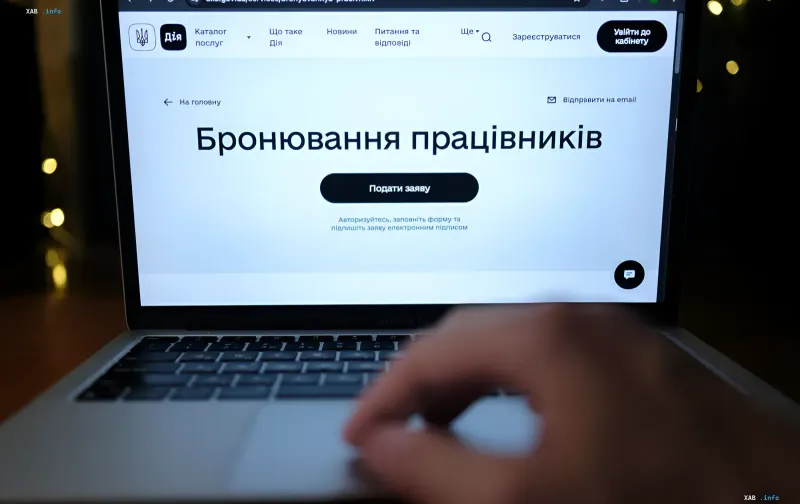
The reduction of the reservation limit for defense-industrial complex enterprises from 100% to 85% and the creation of a special Coordination Center under the Cabinet of Ministers threaten to cause a systemic personnel disaster. This decision jeopardizes the fulfillment of state contracts amid ongoing armed aggression.
The Mechanics of Human Resource Destruction
Imagine that tomorrow a defense enterprise employing one thousand liable-for-military-service specialists must inform 150 workers that their reservation has been cancelled. If these individuals are mobilized, management will have to strip reservation from someone among the remaining 850 employees to maintain the quota. Such a chain reaction will inevitably lead to a complete halt of production processes at plants manufacturing vital weapons for Ukraine's Defense Forces.
New Rules of the Game and the Coordination Center
According to the adopted government resolution "On Certain Issues of Organizing the Reservation of Persons Liable for Military Service for the Period of Mobilization and in Wartime," the limit for the defense sector and energy is reduced to 85%. Simultaneously, a 17-member Coordination Center is established, uniting representatives from the Ministry of Economy, Ministry of Defense, SBU, GUR, and other agencies. Without this body's approval, enterprises lose their status as critically important, and any decisions on increased limits are now strictly regulated.
The Impact of Shelling and Operational Realities
The innovations are being implemented amid continuous air raid alerts and Russian attack drone strikes, forcing plants to halt operations and switch to a 24/7 multi-shift mode. Reducing the reservation quota directly contradicts the objective need to compensate for time lost in shelters by employing additional personnel.
Contradictory Data
While developers from the Ministry of Economy argue that the changes are necessary to optimize mobilization processes and create a unified control vertical through the Coordination Center, industry associations and experts insist that an 85% limit is catastrophic for continuous defense production. Authorities had just five days until October 18, 2026, to resolve these contradictions.
The current situation requires a balanced compromise between front-line needs and preserving the rear's industrial potential. The procedural burden on the legal services of enterprises, forced to re-confirm their critical status, further exhausts sector resources at a critical juncture.