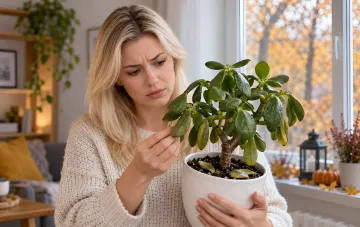
With the onset of cold weather, Monstera—one of the most popular houseplants—frequently begins to turn yellow, lose leaves, or develop dark spots. In an attempt to save the plant, owners often increase watering or fertilization, although experts note that precisely these measures can worsen the plant's condition. We break down how to distinguish natural leaf aging from a real problem and what to do in each typical situation, based on recommendations from the New York Botanical Garden, the Royal Horticultural Society (RHS), the University of Maryland, and Iowa State University (based on Styler).
Yellowing Leaves: When It Is Normal and When It Is a Warning Sign
A single yellowed lower leaf does not yet mean the plant is sick: older Monstera leaves gradually die off during natural renewal. However, mass yellowing already requires attention. According to the New York Botanical Garden, yellowing is most often the result of overwatering or a lack of nutrients. A separate cause is a change in conditions: if the plant was moved from a balcony to an apartment, the change in lighting and maintenance regimen can lead to yellowing and dropping of some leaves.
Dark Spots and Overcooling: The Hidden Danger of Drafts
Dark spots on leaves can appear due to overcooling, root rot, or disease. Monstera is sensitive to cold drafts and sharp temperature drops; it is especially dangerous when leaves touch cold glass or get caught in an airflow stream during ventilation. According to RHS data, cold damage causes leaves to blacken and droop. If the plant has been overcooled, it should be moved to a warm place without drafts, but not right next to a radiator.
Root Rot: The Threat Hiding in Wet Soil
If leaves are darkening and wilting while the soil is constantly wet, you need to inspect the root system. University of Maryland specialists explain that excessive moisture in winter increases the risk of root rot. When roots rot, damaged areas are removed with a clean tool, and the plant is replanted in fresh, well-draining substrate while preserving healthy, firm roots.
Fungus, Pests, and Dry Air During the Heating Season
Not every black spot means a fungal infection: similar damage can occur due to cold or improper watering. Nevertheless, dark spots are sometimes indeed associated with fungal diseases, and special attention should be paid to spots that enlarge or appear on new leaves. Fungicides should not be used until the cause of the damage is determined, and the undersides of the leaves are recommended to be checked for spider mites and mealybugs. A separate issue is dry air during the heating season, especially near radiators. According to Iowa State University, brown leaf tips can appear due to low humidity, irregular watering, or the accumulation of salts from fertilizers. A humidifier or moving the pot further from the radiator can help, but watering the soil more frequently just because of dry air is unnecessary.
Optimal Conditions and How to Tell the Plant Is Recovering
According to experts, Monstera thrives at temperatures around 18–24 degrees Celsius, needs bright indirect light, and does not tolerate prolonged water stagnation at the roots. In autumn and winter, houseplants sometimes require supplemental lighting. It is important to understand: damaged leaf areas will not turn green again. However, if new spots stop appearing and the remaining leaves stay firm, this may indicate an improvement in the Monstera's condition—meaning the chosen care is working correctly.